A wedding program was once a simple printed sheet—an outline of events, names of participants, and a basic timeline of the ceremony. Functional, minimal, and often forgotten once the day moved forward. But modern weddings have evolved into deeply personalized experiences where every detail is expected to reflect meaning, emotion, and storytelling.
Today, couples are no longer just planning a ceremony—they are shaping an experience. Every element, from invitations to decor to printed materials, is expected to carry a sense of identity and narrative. This shift has also transformed something as overlooked as the wedding program into a creative storytelling medium.
That is where the concept of an interactive wedding program comes in.
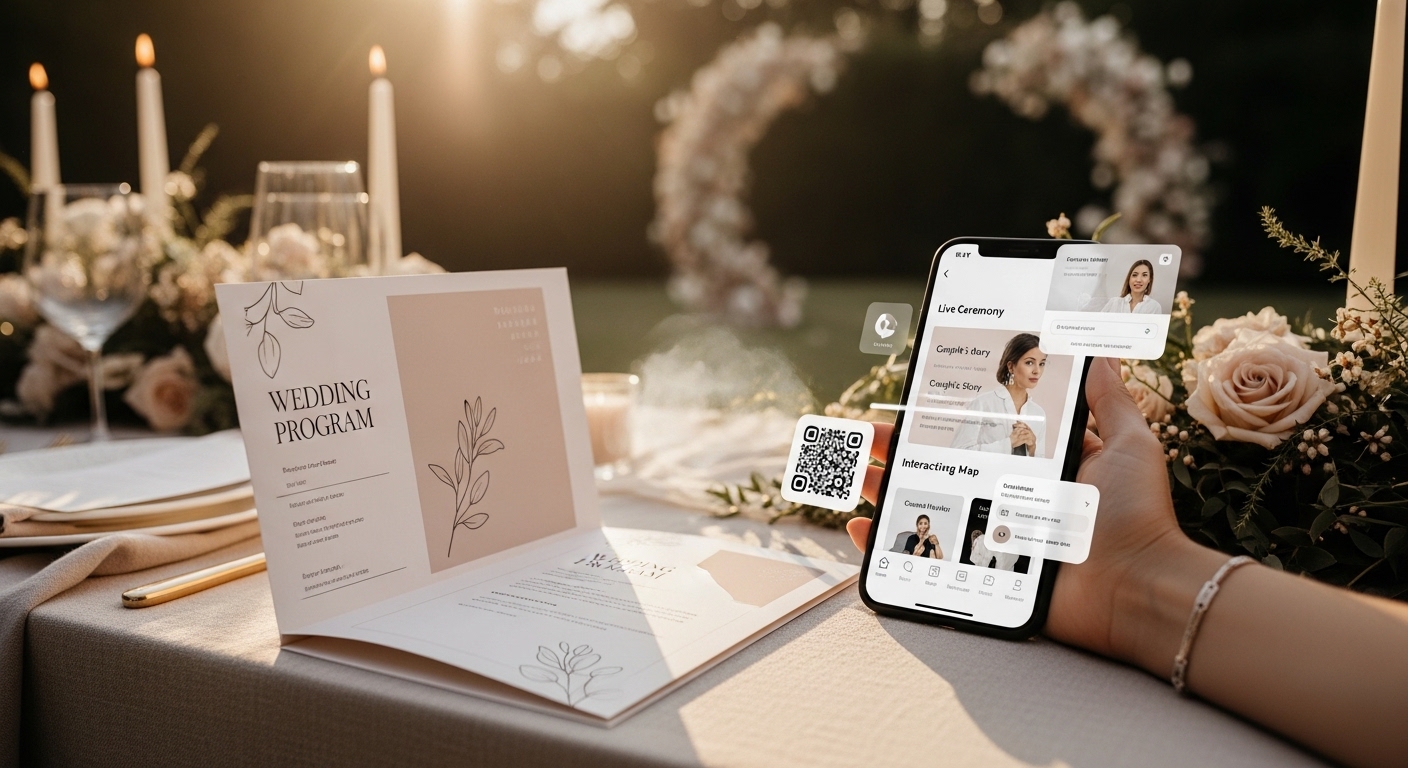
Unlike traditional formats, an interactive wedding program is designed to actively engage guests rather than simply inform them. It goes beyond listing the order of events. It connects people to the couple’s journey, enhances emotional understanding of the ceremony, and often integrates thoughtful design elements in the layout of the that make participation more immersive.
In many cases, these programs are developed with the same level of care as a story. This is where roles like a wedding story writer service become relevant—crafting the narrative that shapes how guests emotionally experience the celebration.
Instead of being a static reference sheet, the program becomes a guided story. It helps guests understand not only what is happening, but why it matters. It brings structure to the celebration while also adding emotional depth, turning transitions between events into meaningful moments rather than simple instructions.
Why Interactive Wedding Programs Are Becoming the New Standard
Weddings today are no longer just ceremonies—they are carefully designed experiences. Guests expect more than passive participation. They want to feel included, informed, and emotionally connected to the celebration.
From static information to experiential storytelling
Traditional wedding programs focus on structure: timings, rituals, and names. While useful, they do little to engage guests emotionally.
Interactive wedding programs shift that focus. Instead of simply listing events, they tell a story. They guide guests through the journey of the couple, introduce meaningful moments, and often include personal touches such as memories, photos, or messages.
This transforms the program from a schedule into a narrative experience.
The role of technology and personalization
Digital tools have made interactivity easier than ever. QR codes, mobile-friendly layouts, and custom wedding websites allow couples to extend their program beyond paper.
Guests can scan, tap, and explore additional content such as:
- Couple’s love story timelines
- Interactive seating charts
- Live event updates
- Personalized thank-you messages
This blend of physical and digital design is what defines modern wedding communication.
Understanding What Makes a Wedding Program “Interactive”
Before creating one, it’s important to understand what interactivity actually means in this context. It is not just about adding technology—it is about creating engagement.
Interactivity as emotional engagement
An interactive wedding program is designed to make guests feel involved. This could be through storytelling, design elements, or digital features that invite participation.
For example, instead of simply listing the ceremony order, the program might include short stories about each ritual or explain their cultural significance. This helps guests connect more deeply with what they are witnessing.
Interactivity as functional guidance
It also improves navigation. Guests should be able to understand where to go, what is happening, and when it is happening without confusion.
Clear structure, intuitive design, and accessible formats all contribute to this experience.
Building the Foundation of Your Wedding Program
Every strong interactive wedding program begins long before design or formatting. It starts with clarity of purpose and structure.
Defining the experience you want to create
The first question is not “what should it look like,” but “what should guests feel?”
Some weddings aim for elegance and tradition, while others focus on fun, storytelling, or cultural immersion. The program should reflect that tone consistently.
Understanding your guest experience flow
A wedding program should mirror how guests experience the event itself:
- Arrival and welcome
- Ceremony understanding
- Transition into celebration
- Reception flow
When the program aligns with this journey, it feels natural and intuitive.
Structuring content before adding interactivity
Before adding QR codes, visuals, or design elements, the content must be structured clearly. This includes:
- Ceremony order
- Key moments
- Participant details
- Cultural or symbolic explanations
Without this foundation, interactivity becomes decoration instead of function.
Designing the Structure of an Interactive Wedding Program
Structure is the backbone of any effective wedding program. It decides whether guests engage with it naturally or simply glance at it once and put it aside. Even the most beautifully designed program loses its value if people cannot immediately understand how to navigate it.
In an interactive wedding program, structure becomes even more important because it is no longer just about presenting information—it is about guiding attention, shaping emotional flow, and making the entire wedding experience feel intuitive.
Creating a clear visual hierarchy
A strong visual hierarchy ensures that guests instinctively know where to look first without needing instructions. When everything is presented at the same visual level, the brain struggles to prioritize information, which leads to confusion and disengagement.
In a well-structured program, key elements such as titles, ceremony timings, and major event milestones are visually dominant. They naturally draw attention because of size, placement, or contrast. Supporting information—like descriptions, notes, or acknowledgments—sits quietly beneath this layer, available when needed but never competing for focus.
This layered approach reduces cognitive effort. Guests don’t need to “search” for meaning; the structure leads them through it. Over the course of the event, this becomes especially important because people often revisit the program multiple times under different levels of attention.
When hierarchy is properly designed, the program feels effortless to use. When it is not, even simple information feels scattered and hard to process.
Organizing information into a logical flow
Beyond visual clarity, structure must also reflect emotional and experiential flow. A wedding is not experienced as isolated segments—it unfolds as a continuous journey. The program should reflect that same progression.
Instead of presenting all details at once, information should be revealed in a sequence that mirrors how the event itself unfolds in real time. This helps guests mentally “move through” the wedding before and during the celebration.
A typical structure often begins with a warm introduction that sets tone and context. This is followed by the ceremony breakdown, which forms the emotional core of the experience. After that, key participants such as family members, bridal party, or officiants are introduced, adding personal meaning to what guests are about to witness.
The flow then transitions into reception details, where the atmosphere becomes more relaxed and celebratory. Finally, closing notes bring the experience to a gentle conclusion, often including gratitude messages or final instructions.
When arranged in this order, the program does more than inform—it mirrors the emotional rhythm of the wedding itself. Guests subconsciously follow a narrative arc rather than a static list of events.
Adding interactive structure to support engagement
In an interactive wedding program, structure is not only visual and informational—it is also participatory. This means certain sections can be designed to invite action or deeper engagement.
For example, QR codes placed near key sections can lead guests to related content such as short videos, photo stories, or personalized messages from the couple. Instead of overwhelming the printed layout with excessive detail, the structure can remain clean while offering optional depth through digital interaction.
This layered approach is especially useful because it respects different attention levels. Some guests prefer quick scanning, while others enjoy exploring additional content. A well-designed structure accommodates both without forcing either experience.
Creating rhythm through spacing and pacing
Another often overlooked aspect of structure is pacing. Not all sections should feel equally dense or visually heavy. A strong wedding program creates rhythm by alternating between information-rich sections and lighter, more visually open pages.
Dense sections carry essential information such as schedules and ceremony breakdowns. These require focus and clarity. Lighter sections—such as introductions, visuals, or transitional pages—give the reader space to pause and absorb.
This rhythm is what keeps the program from feeling overwhelming. Without it, even well-organized content can feel exhausting to navigate. With it, the experience feels balanced and human.
Designing for real-world usage during the event
Structure must also consider how the program will actually be used during the wedding itself. Guests are not reading it in a controlled environment—they are moving, interacting, and multitasking.
This means important information must be easy to locate within seconds. Timings, directions, and key transitions should be immediately visible without requiring deep reading. Sections should be clearly separated so that flipping through the program feels intuitive, not mechanical.
In many cases, guests will open the program multiple times in short bursts rather than reading it continuously. A strong structure supports this behavior by making every section independently understandable while still contributing to the overall flow.
Aligning structure with emotional experience
Beyond functionality, structure plays a subtle emotional role. It shapes how guests feel about the event as it unfolds.
A well-structured program creates calmness. It reduces uncertainty and gives guests confidence in what is happening next. This sense of clarity enhances emotional engagement because attention is no longer spent on figuring things out—it is spent on experiencing the moment.
When structure aligns with emotional flow, the program stops being a reference tool and becomes part of the storytelling experience itself.
Adding Interactivity Through Digital Elements
This is where traditional programs evolve into modern experiences.
Using QR codes for deeper engagement
QR codes are one of the simplest ways to add interactivity. When scanned, they can lead to:
- Video messages from the couple
- Wedding websites
- Live event updates
- Photo galleries
This allows the printed program to remain clean while extending content digitally.
Creating mobile-friendly companion experiences
Many couples now pair printed programs with mobile versions. These digital companions can update in real time, especially useful for dynamic events.
For example, last-minute changes in schedule or venue directions can be instantly reflected without reprinting materials.
Adding personalized digital storytelling
Interactive programs can also include storytelling elements such as:
- Relationship timelines
- Proposal stories
- Family messages
- Cultural explanations
These elements turn the program into an emotional narrative rather than just information.
Designing for Aesthetic and Emotional Impact
An interactive wedding program must also feel beautiful. Design plays a major role in how it is perceived and remembered.
Choosing a visual theme that reflects the wedding
The program should match the overall wedding aesthetic. A formal wedding may use minimal typography and elegant spacing, while a more creative celebration might allow expressive layouts and color accents.
Balancing visuals with readability
While visuals are important, they should never overwhelm content. Guests should be able to read and navigate the program effortlessly.
Whitespace, typography, and spacing are just as important as imagery.
Creating emotional continuity through design
Design should not feel static. Subtle consistency across pages helps create a sense of flow, reinforcing the idea that the program is part of a larger experience.
Designing the Structure of an Interactive Wedding Program
Structure is the foundation of any effective wedding program. It determines whether guests naturally engage with it or simply glance at it once and set it aside. Even the most visually beautiful design loses its value if the reader cannot immediately understand how to navigate the information.
In an interactive wedding program, structure becomes even more critical. It is no longer just about listing events in order—it is about guiding attention, shaping emotional flow, and creating a seamless experience that feels intuitive from the first page to the last.
When structure is done well, guests don’t think about how to use the program. They simply follow it.
Creating a clear visual hierarchy
A strong visual hierarchy ensures that guests instinctively know where to look first without needing explanation. When everything on a page carries the same visual weight, the brain has no reference point, which leads to hesitation and confusion.
In an effective wedding program, importance is communicated visually. Key elements such as section titles, ceremony timings, and major event milestones naturally stand out through size, spacing, or contrast. These become anchor points for the reader’s attention.
Supporting information—like descriptions, notes, or acknowledgments—sits beneath this primary layer. It remains accessible but never competes for focus.
This layered structure reduces mental effort. Instead of searching for meaning, guests are guided through it. The program becomes easier to absorb, especially when it is revisited multiple times throughout the event.
When hierarchy is weak, even simple details feel scattered. When it is strong, the entire experience feels controlled and effortless.
Organizing information into a logical flow
Beyond visual clarity, structure must reflect how the event is emotionally experienced. A wedding is not a collection of separate moments—it is a continuous unfolding of stages, each building on the previous one.
The program should mirror that journey.
It typically begins with an introduction that sets tone and context. This is the moment where guests understand the spirit of the celebration and what they are about to experience.
From there, it moves into the ceremony structure, which forms the emotional core of the event. This section carries the most significance and should feel clear, grounded, and easy to follow.
Next comes the introduction of key participants—family members, bridal party, and officiants. This adds emotional depth and personal connection, helping guests understand the people behind the ceremony.
The flow then transitions into reception details, where the atmosphere becomes lighter and more celebratory. Finally, closing notes bring the experience to a soft conclusion, often including gratitude or final guidance.
When arranged in this sequence, the program stops being a list of information and becomes a narrative experience. Guests naturally move through it as they would move through the event itself.
Adding interactive structure to support engagement
In an interactive wedding program, structure extends beyond the page. It becomes layered, offering both immediate information and optional depth.
Certain sections can be designed to invite interaction rather than passive reading. For example, QR codes placed near key moments can lead guests to additional content such as video messages, curated photo galleries, or personal stories from the couple.
This approach keeps the printed layout clean while expanding the experience digitally. It allows the program to remain simple on the surface but rich beneath it.
The strength of this structure lies in flexibility. Guests who want a quick overview can stay within the printed flow, while those who want deeper engagement can explore additional layers at their own pace.
This balance ensures that the program works for different attention styles without overwhelming anyone.
Creating rhythm through spacing and pacing
Structure is not only about order—it is also about rhythm. If every page carries the same level of density, the experience becomes visually tiring, even if the content is well organized.
A strong wedding program intentionally alternates between information-heavy sections and visually lighter ones.
Dense sections include schedules, ceremony breakdowns, and structured details that require focus. These are essential for clarity but should be used with control.
Lighter sections provide breathing space. These might include introductions, imagery, or transitional pages that allow the reader to reset before moving forward.
This rhythm creates pacing. Instead of feeling like continuous information, the program feels like a guided experience with natural pauses. It becomes easier to process and more pleasant to use over time.
Without this variation, even well-structured content can feel overwhelming.
Designing for real-world usage during the event
A wedding program is not read in isolation—it is used in motion. Guests refer to it during transitions, while moving between spaces, or while trying to follow live proceedings.
This changes how structure must be designed.
Important information must be instantly accessible. Timings, locations, and key transitions should be easy to find without scanning through unrelated sections. Clear separation between sections helps reduce friction during real-time use.
It is also important that each section can stand independently. Guests may not read the program linearly. They might open it directly to the ceremony schedule or jump to reception details.
A strong structure anticipates this behavior and supports it.
When designed correctly, the program becomes a quick-reference guide rather than something that requires reading from start to finish.
Aligning structure with emotional experience
Beyond function and usability, structure plays a subtle but powerful emotional role. It influences how calm, confident, and connected guests feel throughout the event.
A well-structured program reduces uncertainty. Guests always know what is happening and what comes next. This sense of clarity creates comfort, especially during emotionally significant moments like weddings.
Instead of focusing on decoding information, attention shifts to experiencing the event itself.
When structure and emotional flow are aligned, the program becomes more than a guide. It becomes part of the storytelling experience—quietly supporting the atmosphere rather than sitting outside it.
Practical Format Options for Interactive Wedding Programs
Different formats serve different experiences. Choosing the right one depends on the wedding style and guest expectations.
| Format Type | Description | Best Use Case |
| Printed booklet + QR codes | Physical guide with digital extensions | Most modern weddings |
| Fully digital program | Mobile or web-based experience | Tech-forward celebrations |
| Hybrid format | Printed core + digital companion | Balanced experience |
| Interactive PDF | Shareable digital document | Small or destination weddings |
Each format offers different levels of flexibility and engagement.
FAQs
What is an interactive wedding program?
It is a modern version of a wedding program that combines printed or digital content with interactive elements such as QR codes, storytelling, and mobile access.
Do I need digital tools to create one?
Not necessarily, but digital elements enhance engagement and flexibility.
What should be included in a wedding program?
Ceremony order, key participants, timing, personal stories, and optional interactive elements.
How long should a wedding program be?
It should be long enough to guide guests clearly but not so long that it becomes overwhelming.
Is a printed or digital program better?
A hybrid approach is often most effective, combining the emotional feel of print with the flexibility of digital tools.
Conclusion
An interactive wedding program is no longer just a schedule—it is a carefully designed experience that connects guests to the story of the couple. When structured thoughtfully, it blends information, emotion, and engagement into a seamless journey.
The most effective programs are not the most complex ones. They are the ones that feel effortless to use, emotionally meaningful, and visually aligned with the celebration itself.