Romance fiction has always held a unique place in the literary world. It is one of the most emotionally engaging, commercially successful, and reader-loyal genres across global publishing markets. Yet behind every bestselling romance novel lies more than just passion and storytelling—it is also deeply connected to a thriving ecosystem of writers, editors, agents, and readers who gather in specialized spaces known as romance book conventions.
In 2026, these conventions are no longer just networking events. They have evolved into creative hubs where publishing trends are shaped, book deals are discussed, reader communities are built, and authors discover what truly resonates with their audience. Whether you are a debut writer working on your first manuscript or an experienced author exploring to scale your publishing output, understanding these conventions can significantly influence your writing career.
Romance book conventions are also where market expectations become visible. You do not just learn what readers like—you see it reflected in panels, book signings, trope discussions, and publishing strategies. From slow-burn romance to fantasy-romance hybrids, every trend has a presence in these spaces.
This guide breaks down romance book conventions in detail, exploring how they work, why they matter, what authors can gain from them, and how they are shaping the future of romantic storytelling in 2026.
The Role of Romance Book Conventions in Modern Publishing
Romance book conventions serve as more than literary gatherings. They function as dynamic industry ecosystems where storytelling trends, publishing strategies, and reader expectations intersect. In the past, authors relied heavily on publishers and editors to understand market demand. Today, conventions offer direct access to readers and fellow writers, making the feedback loop faster and more transparent.
For authors working in collaboration with ghostwriting services, these conventions can also provide clarity on what genres, tropes, and themes are currently in demand. This insight helps shape manuscripts that align more closely with reader expectations while maintaining originality.
Another important role these events play is community building. Writing can often be an isolated profession, but conventions bring together thousands of individuals who share a common passion for romantic storytelling. This creates a supportive environment where authors can exchange ideas, discuss publishing challenges, and explore collaboration opportunities.
Most importantly, romance conventions influence commercial publishing decisions. Agents and publishers often attend these events to identify emerging talent and track genre trends. This makes them a valuable space not just for inspiration, but also for career advancement.
Key Types of Romance Book Conventions in 2026
Romance conventions are not all the same. They vary depending on scale, audience, and purpose. Some are highly commercial, while others are community-driven and focused on reader interaction. Understanding these differences helps authors choose the right events for their goals.
Large international conventions usually attract bestselling authors, publishers, and literary agents. These events often include structured panels, keynote speeches, and book signing sessions. They are ideal for networking and professional visibility.
Mid-sized conventions tend to focus more on genre-specific discussions. Romance subgenres like contemporary romance, fantasy romance, or historical romance often have dedicated sessions. These events are particularly useful for writers refining their niche or exploring new directions.
Smaller indie conventions and reader-focused gatherings prioritize engagement over industry networking. Here, authors interact directly with readers, participate in informal discussions, and build loyal fanbases.
Across all types, one common element remains consistent: romance storytelling is at the center of every conversation.
Why Romance Authors Should Attend Conventions
For romance writers, attending conventions is not just optional—it can be strategically valuable. These events provide insights that are difficult to gain through online research alone.
One of the biggest advantages is exposure to real-time reader feedback. Instead of guessing what audiences want, authors can observe reactions, discussions, and emotional responses firsthand. This is particularly useful for writers working on long-term projects or collaborating through book ghostwriting services, where understanding emotional engagement is critical.
Another key benefit is networking. Conventions bring together authors, editors, publishers, and marketers under one roof. These connections can lead to publishing deals, collaborations, or mentorship opportunities.
Additionally, conventions help authors stay updated on market trends. Romance fiction evolves quickly, and what readers love today may shift within months. Attending panels and discussions allows writers to stay aligned with current expectations.
Finally, conventions offer motivation. Being surrounded by other writers and passionate readers can reignite creative energy, especially during periods of writer’s block or project fatigue.
Major Romance Tropes and Trends Highlighted at Conventions
One of the most fascinating aspects of romance conventions is how clearly they reflect genre trends. Certain tropes consistently dominate discussions, panels, and reader preferences.
In 2026, some of the most prominent romance trends include:
Slow-burn relationships that prioritize emotional development over instant attraction
- Enemies-to-lovers narratives with strong character tension
- Fantasy romance hybrids combining magical worlds with romantic arcs
- Second-chance romance exploring emotional healing and reconciliation
- Morally complex characters that challenge traditional hero archetypes
These trends are not just storytelling preferences—they directly influence publishing decisions. Authors who understand these patterns can better position their manuscripts for success.
Writers using ghostwriting services often incorporate these insights during the planning phase to ensure their stories align with current reader expectations while still maintaining originality.
Networking and Industry Opportunities at Romance Conventions
Romance conventions are powerful networking environments. They are one of the few spaces where authors can directly interact with publishers, literary agents, and experienced writers without formal barriers.
Many publishing deals and collaborations begin through casual conversations at these events. Panels, workshops, and book signings provide structured opportunities to meet industry professionals.
For emerging authors, this exposure is especially valuable. It provides insight into how the publishing industry operates beyond online resources. Even experienced writers benefit from reconnecting with industry trends and expanding their professional networks.
Some authors also use conventions to explore partnerships with ghostwriting services or editorial teams, especially when scaling their writing output or managing multiple projects simultaneously.
The Business Side of Romance Book Conventions
While creativity is at the heart of these events, romance conventions also have a strong business dimension. Publishers often use these gatherings to scout new talent, while authors use them to promote their books and build brand visibility.
Book sales, signing events, and exclusive releases are common features. Many authors report significant spikes in sales after participating in major conventions.
In addition, conventions help authors understand the commercial expectations of the genre. Pricing strategies, cover design trends, and marketing approaches are often discussed openly in panels and workshops.
This business exposure is particularly useful for writers transitioning from hobby writing to professional careers or those working with book ghostwriting services to produce market-ready manuscripts.
Challenges Authors May Face at Conventions
Despite their benefits, romance book conventions can also be overwhelming. Large crowds, packed schedules, and information overload can make it difficult to fully absorb everything.
Some authors may also feel intimidated, especially beginners who are meeting established names in the industry. Without preparation, it is easy to miss valuable networking opportunities.
Financial considerations are another factor. Travel, accommodation, and registration costs can add up quickly, particularly for international events.
However, with proper planning, these challenges can be managed effectively. Prioritizing key sessions, setting networking goals, and pacing oneself throughout the event can significantly improve the experience.
The Future of Romance Book Conventions in 2026 and Beyond
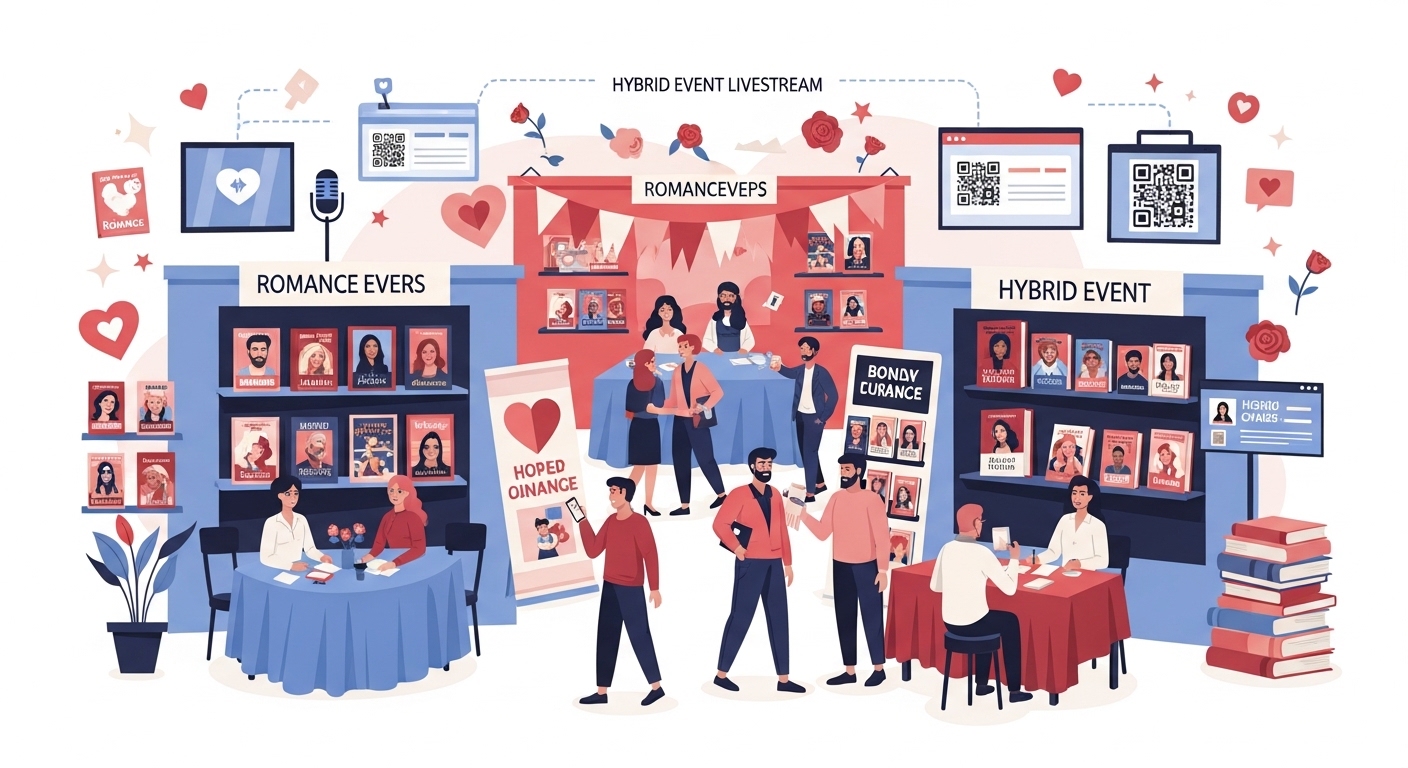
Romance book conventions are evolving alongside the publishing industry. Hybrid events combining physical and virtual participation are becoming increasingly common, making them more accessible to global audiences.
Technology is also playing a larger role. Virtual networking rooms, AI-assisted matchmaking between authors and publishers, and digital book showcases are becoming standard features.
At the same time, the emotional core of these events remains unchanged. Readers still want connection, stories still drive engagement, and authors still seek meaningful feedback.
For writers involved in ghostwriting services, these evolving conventions provide valuable insight into shifting reader expectations and emerging storytelling formats.
Conclusion
Romance book conventions are far more than literary gatherings—they are powerful ecosystems that shape the direction of the romance genre. They influence publishing trends, connect writers with industry professionals, and provide deep insight into what readers truly want.
For authors, attending these events can be transformative. Whether you are writing independently or working through book ghostwriting services, the knowledge gained from conventions can directly improve storytelling quality, market alignment, and career opportunities.
As the romance genre continues to evolve in 2026, these conventions will remain essential spaces where creativity meets commerce, and where stories begin their journey from idea to bestseller.
FAQ
1. What are romance book conventions?
Romance book conventions are events where authors, readers, publishers, and industry professionals gather to discuss, promote, and celebrate romance fiction.
2. Are romance conventions useful for new authors?
Yes, they help new authors understand market trends, network with professionals, and learn how the publishing industry works.
3. Do authors need to publish a book to attend?
No, many conventions allow aspiring writers to attend and learn from sessions and networking opportunities.
4. How do romance conventions influence publishing trends?
They reflect reader preferences, highlight popular tropes, and help publishers identify emerging market demands.
5. Can ghostwriters benefit from romance conventions?
Yes, professionals working in ghostwriting services can gain insight into trends, reader expectations, and storytelling techniques used in the genre.