Psychological thriller and suspense are two of the most closely related genres in modern fiction, yet they are often misunderstood or used interchangeably. On the surface, both rely on tension, secrets, danger, and emotional pressure to keep readers engaged. However, the way they generate that tension—and the reader experience they create—are fundamentally different.
Understanding this difference is important not only for storytelling clarity but also for commercial success. The way you position your book affects reader expectations, marketing strategy, and ultimately how well your story performs in the market. A mismatch between genre and execution can make even a strong story feel confusing or unsatisfying.
This distinction becomes even more important when you look at how modern genre fiction is evolving. Readers who enjoy 10 Elements Every Great Horror Story Must Have (With Examples) often overlap with thriller audiences, because all these genres rely on controlled tension, psychological pressure, and emotional anticipation. However, each genre uses these tools differently, which is why understanding structure is essential before choosing your direction.
To write effectively in either category, it is essential to understand how each genre operates beneath the surface.
What Is a Psychological Thriller?
Internal Tension as the Core Engine
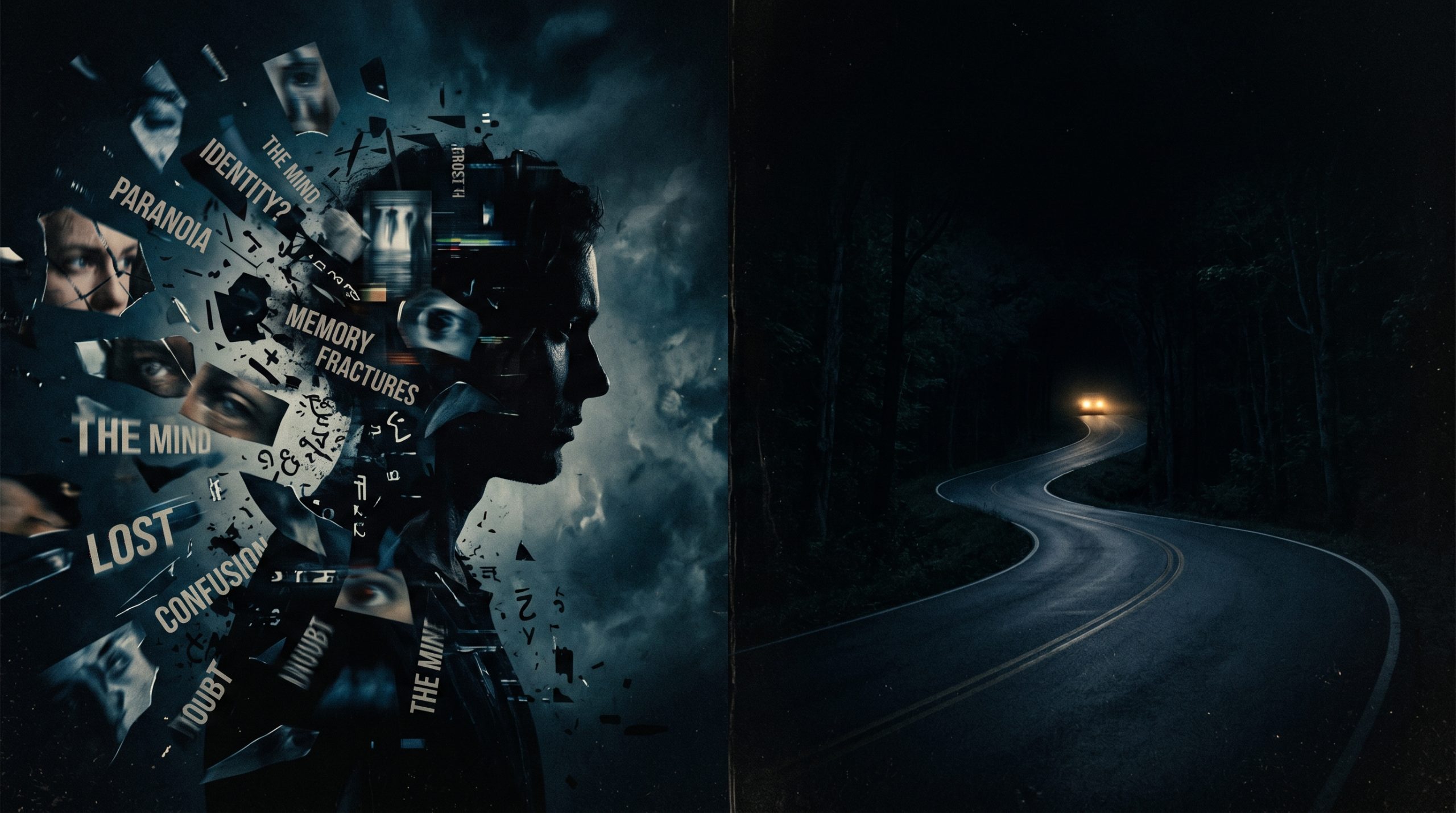
A psychological thriller focuses primarily on the human mind. The tension is internal rather than external, meaning the conflict often comes from perception, memory, emotion, or psychological instability. Readers are not just following events—they are questioning what is real, what is true, and whether the protagonist can even trust their own mind.
This creates a layered reading experience where uncertainty is constant, and reality often feels unstable.
Unreliable Narration and Mental Instability
One of the defining features of psychological thrillers is the use of unreliable narrators or psychologically complex characters. The story may deliberately distort truth through memory gaps, emotional bias, or intentional deception. This forces readers into a state of interpretation, constantly reassessing what they believe.
Emotional and Psychological Focus
Instead of relying on fast external action, psychological thrillers focus on emotional depth, manipulation, obsession, trauma, and identity. The fear comes from within the character’s mind rather than from external threats alone.
What Is Suspense?
External Tension and Forward Momentum
Suspense is driven by anticipation of external events. The reader is aware that something significant is about to happen, but the story delays that moment, building pressure over time. The central question is not “What is real?” but “What will happen next?”
This creates a strong sense of forward momentum that keeps readers engaged through curiosity and urgency.
Clear Stakes and Escalating Danger
Suspense stories typically involve clear stakes such as time limits, physical danger, or urgent objectives. The tension increases as obstacles build and the protagonist moves closer to or further from resolution.
Event-Driven Narrative Structure
Unlike psychological thrillers, suspense stories are more focused on external plot development. The narrative progresses through action, decisions, and consequences, maintaining a steady pace that pushes the story forward.
Key Differences Between Psychological Thriller and Suspense
Nature of Tension
The nature of tension is the core element that separates psychological thriller from suspense fiction. In psychological thrillers, tension is generated internally within the character’s mind. The reader is placed inside a space of uncertainty where thoughts, memories, emotions, and perceptions may not be reliable. The fear does not come from what is happening outside alone, but from the possibility that what the character believes might not be true.
This creates a destabilizing effect where reality itself feels flexible, fragmented, or distorted. The tension becomes psychological because it constantly challenges trust in perception.
In contrast, suspense builds tension externally. The focus is on events that are unfolding in the real world of the story. The reader is aware that something significant is coming, and the tension comes from waiting for that moment to arrive. Instead of questioning reality, the reader is anticipating it.
This creates urgency and forward pressure, as each scene moves closer to a known or expected outcome. Suspense relies on external escalation, where danger, timing, and consequences steadily increase the emotional intensity.
Reader Experience
The reader’s experience in a psychological thriller is shaped by doubt, interpretation, and emotional ambiguity. As the story progresses, readers are constantly trying to determine what is real and what is influenced by perception or manipulation.
This creates an active reading process where meaning is not fully given but must be interpreted. The emotional experience is often intense because the reader is not just observing events—they are questioning the reliability of everything they are being shown. This uncertainty keeps the mind engaged on a deeper psychological level.
Suspense offers a different kind of experience. Here, the reader is less focused on questioning reality and more focused on anticipating outcomes. The tension comes from knowing that something will happen and waiting for it to unfold.
This creates a forward-driving reading experience where curiosity is centered on events rather than perception. The reader is emotionally invested in timing, consequences, and resolution, which creates a steady sense of urgency throughout the narrative.
Pacing and Structure
Pacing in psychological thrillers is typically slower and more layered because the story relies heavily on internal development. Scenes often focus on thoughts, emotions, subtle shifts in perception, and gradual revelations. Information is revealed in a fragmented or delayed way, encouraging readers to piece together meaning over time.
This creates a structure that feels introspective and psychologically dense, where tension builds through accumulation rather than speed. The narrative often circles around key ideas, revisiting them with new emotional or contextual meaning.
Suspense, on the other hand, tends to follow a more linear and forward-moving structure. The pacing is generally faster because each scene pushes the story closer to a significant event or resolution.
There is a clear sense of progression, where stakes rise steadily and obstacles become more intense. Suspense relies on momentum, meaning that even quieter moments often serve a larger function of building toward action or consequence. The structure is designed to maintain continuous forward pressure, keeping the reader engaged through anticipation and escalation rather than introspection.
Which Genre Sells More?
Both psychological thrillers and suspense novels perform well in the commercial fiction market, but psychological thrillers have seen particularly strong demand in recent years. Readers are drawn to complex characters, unreliable narration, and twist-driven storytelling that encourages discussion and re-reading.
Psychological thrillers often generate strong word-of-mouth marketing because readers enjoy discussing hidden clues and unexpected reveals. This makes them highly effective in both traditional publishing and digital platforms.
Suspense, however, remains consistently popular due to its accessibility and fast-paced structure. It appeals to a wide audience, especially readers who prefer straightforward tension and plot-driven storytelling. It also performs well in genres like crime fiction, domestic thrillers, and action-based narratives.
Other related genres also continue to perform strongly in the commercial fiction market. Crime fiction attracts readers who enjoy investigative narratives and morally complex cases, while noir fiction appeals to audiences looking for darker themes, corruption, and emotionally layered storytelling. Mystery thrillers combine puzzle-solving with high-stakes tension, making them highly engaging for readers who enjoy both suspense and intellectual intrigue.
Domestic thrillers remain especially popular because they place danger inside familiar environments such as marriages, families, and close relationships. Legal thrillers continue to attract readers through courtroom conflict, ethical dilemmas, and procedural tension, while espionage thrillers appeal to audiences interested in political secrecy, intelligence operations, and global conspiracies.
Gothic suspense has also regained attention in recent years by blending psychological tension with eerie atmosphere and emotional isolation. In contrast, action thrillers focus more heavily on pacing, physical danger, and large-scale conflict, making them highly accessible to mainstream audiences.
In practical terms, psychological thrillers may have a slight advantage in visibility and viral potential, while suspense often offers broader mass-market appeal. Genres like crime fiction, domestic thrillers, mystery thrillers, and noir fiction continue to expand the market further by attracting readers with different styles of tension, atmosphere, and emotional intensity.
Which One Should You Write?
The better choice depends entirely on your story structure and strengths as a writer.
If your story focuses on perception, memory, emotional instability, or psychological manipulation, a psychological thriller is likely the better fit. If your story is driven by external danger, time pressure, and escalating events, suspense will serve you better.
The key is alignment. Readers expect consistency in tone, pacing, and narrative focus. When the genre matches the story’s core engine, the reading experience feels natural and engaging.
Conclusion
Psychological thriller and suspense may appear similar, but they operate on different storytelling principles. One builds fear through the mind, the other through momentum. One questions reality, the other accelerates toward it.
Understanding this distinction allows writers to make clearer creative decisions and position their work more effectively in the market. While psychological thrillers currently show slightly stronger commercial momentum, both genres remain highly viable when executed with precision and clarity.
Ultimately, the most successful choice is not the one that trends more—but the one that best fits the story you are trying to tell.
Frequently Asked Questions
Are psychological thrillers and suspense the same thing?
No. Psychological thrillers focus on internal psychological tension, while suspense focuses on external anticipation and unfolding events.
Which genre is easier to write?
Suspense is often easier structurally because it relies on clear external plotting, while psychological thrillers require deeper psychological complexity and layered narration.
Which genre is more popular right now?
Psychological thrillers currently have slightly higher market visibility due to strong demand for twist-driven and character-focused stories.
Can a story be both psychological thriller and suspense?
Yes. Many successful books combine both, using psychological depth for character tension and suspense for plot momentum.
Which genre is better for beginners?
Suspense is often more accessible for beginners, but the best choice depends on the writer’s strengths and the nature of the story idea.