Hard-boiled mystery carries a very distinct narrative energy. It doesn’t ease the reader in, it doesn’t over-explain its world, and it doesn’t slow down to provide comfort or clarity. Instead, it throws the reader directly into a setting that already feels worn down, morally ambiguous, and emotionally tense. From the very beginning, the expectation is simple: you either adapt to this world quickly or you fall behind.
What makes this style particularly compelling is not just its intensity, but its discipline. Despite the chaotic environment it presents, a strong hard-boiled mystery is carefully controlled in how it reveals information. It avoids premature clarity and instead builds tension by carefully restricting what the reader knows at any given moment.
The story does not rely on constant explanation. Instead, it relies on selective revelation, where meaning emerges gradually through fragmented clues, shifting motives, and incomplete truths. This creates a reading experience defined by uncertainty, where every new detail adjusts the reader’s understanding without fully resolving it.
This approach is part of what makes the genre so effective, especially when compared with other tension-driven forms like Psychological Thriller vs. Suspense: What’s the Difference and Which Sells More?, where tension may be built through internal instability or structured anticipation. Hard-boiled mystery, however, creates pressure through immediacy and immersion. The protagonist is not observing danger from a distance—they are already inside it, often entangled in it, and frequently compromised by it on multiple levels.
That controlled balance between what is revealed and what is hidden is what gives hard-boiled mystery its lasting impact.
To understand how this effect is created so consistently, it is necessary to break down the underlying mechanics that shape it.
The Core Philosophy Behind Hard-Boiled Mystery
At its foundation, hard-boiled mystery is built on distrust. Not just distrust between characters, but distrust between the reader and the world of the story itself. Nothing is entirely clean. Motives are rarely pure. Information is often incomplete, misleading, or selectively revealed.
This creates a narrative environment where certainty is impossible.
Unlike traditional detective fiction, where the reader may feel they are assembling a clear puzzle, hard-boiled mystery is intentionally messier. It reflects a world where truth is fragmented, and every answer seems to generate another question.
The protagonist typically mirrors this environment. They are often cynical, emotionally guarded, and operating under personal codes rather than formal systems of justice. This emotional stance becomes essential to tension-building because it limits how much the reader can rely on them for clarity.
Instead of a guiding authority, the protagonist becomes another unreliable lens through which the story is filtered.
This is where tension begins—not from action alone, but from controlled ambiguity.
Building Tension Through Controlled Information
One of the defining techniques in hard-boiled mystery is information control. The story never reveals everything at once. Instead, it releases fragments of truth in carefully timed intervals.
This creates a constant sense of partial understanding.
The reader knows something is happening, but never fully understands the full picture early on. Every new piece of information adjusts previous assumptions rather than confirming them outright.
This technique works because the human mind naturally tries to complete incomplete patterns. When information is missing, the reader actively fills gaps with assumptions. Hard-boiled mystery exploits this tendency by constantly shifting those gaps.
Just when the reader thinks they understand what is going on, a new detail reframes everything.
The result is continuous cognitive tension.
The story is not just being read—it is being actively interpreted and reinterpreted.
The Role of a Flawed Protagonist
In a hard-boiled mystery, the protagonist is rarely neutral. They are usually deeply flawed, emotionally burdened, or morally compromised in some way. This is not just a stylistic choice—it is a structural tool for tension.
A flawless detective who sees everything clearly would reduce uncertainty. But a protagonist who is tired, biased, emotionally involved, or personally entangled in the case introduces instability into the narrative.
This instability becomes part of the tension system.
Readers begin to question not only the world around the protagonist but also the protagonist’s interpretation of events. This dual-layer uncertainty keeps the narrative unpredictable.
It also deepens engagement because readers are forced into a more active role. They are not just following a detective—they are evaluating them.
This dynamic ensures that the story remains open-ended for longer, which is crucial for sustaining suspense without prematurely revealing outcomes.
Atmosphere as a Pressure System
Hard-boiled mystery often uses atmosphere not as decoration, but as an active force that shapes tension.
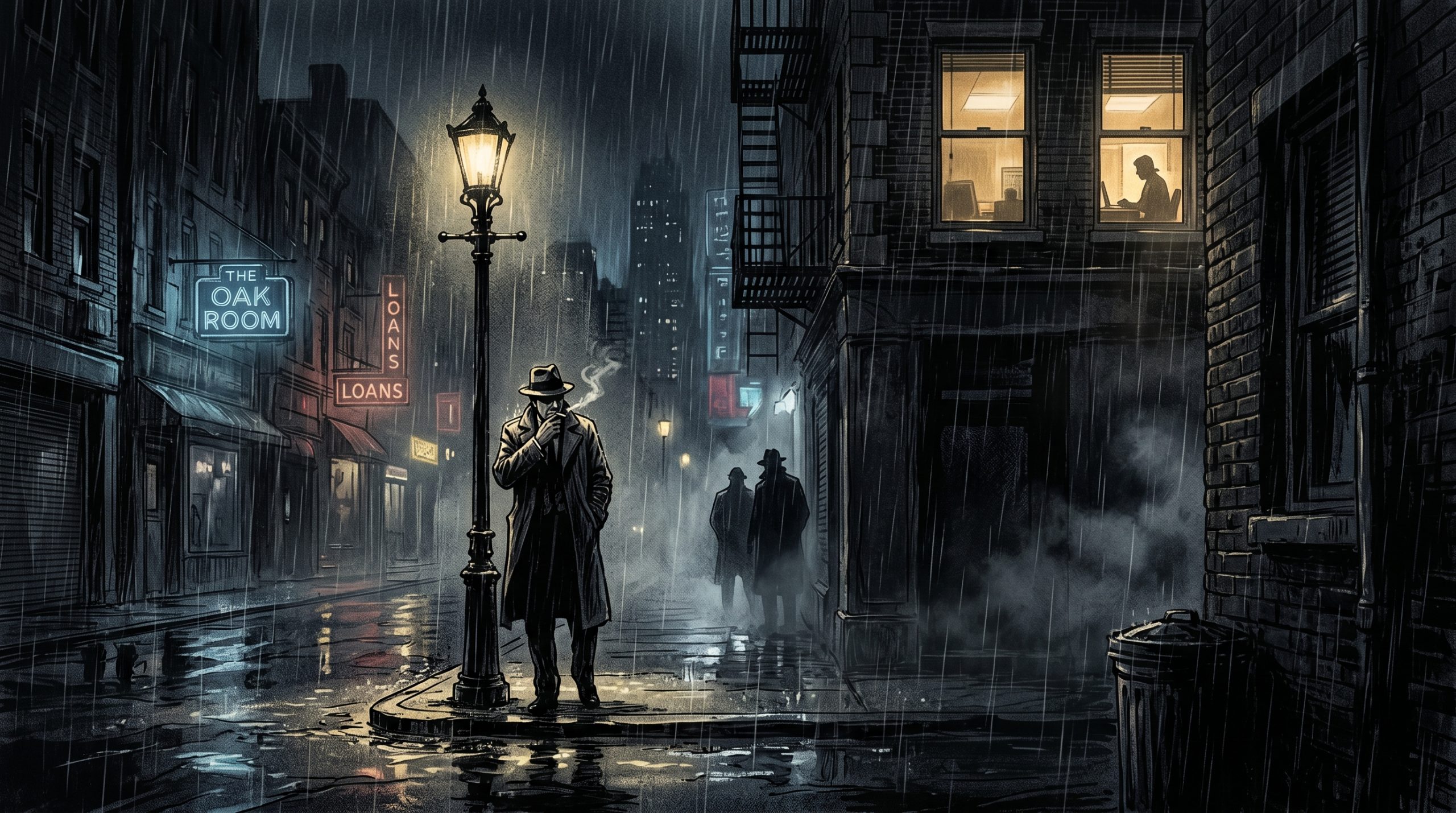
The settings are usually dense, urban, morally ambiguous environments—rain-soaked streets, dim offices, late-night diners, or decaying cityscapes. These environments do more than establish mood; they reinforce the emotional tone of uncertainty and fatigue.
Atmosphere in this genre works like pressure building in the background of every scene.
It suggests exhaustion, corruption, and unease even before any explicit conflict appears.
This constant environmental tension ensures that even quiet scenes feel loaded with meaning. A simple conversation in a bar or a walk through a dark alley carries emotional weight because the atmosphere has already primed the reader to expect danger or deception.
In this way, setting becomes an extension of narrative tension rather than a passive backdrop.
Hard-Boiled Mystery Book Covers and Visual Tension
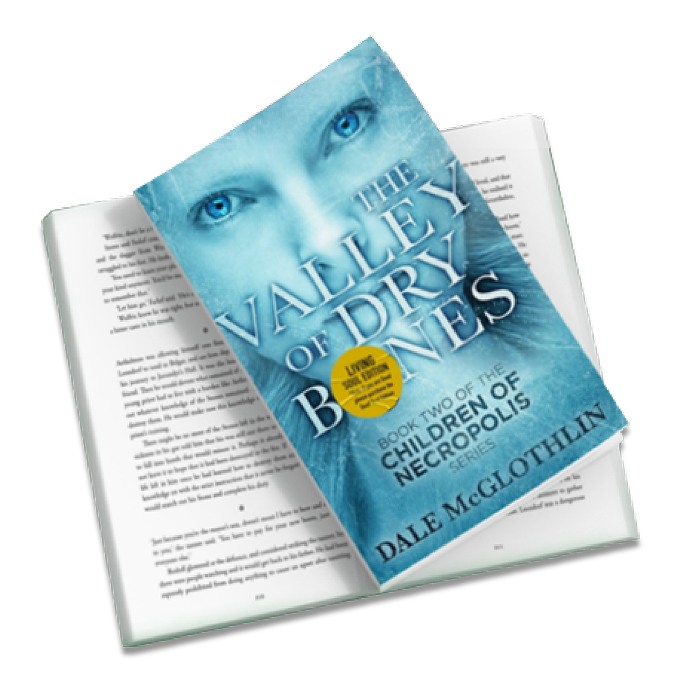
One of the most overlooked aspects of hard-boiled mystery is how strongly the genre communicates itself through visual design before the story even begins. A hard-boiled mystery book cover is not simply promotional artwork—it is often the reader’s first introduction to the atmosphere, moral ambiguity, and emotional pressure that define the genre.
Unlike brighter commercial thrillers or highly polished detective fiction, hard-boiled mystery covers tend to emphasize restraint, contrast, and psychological weight. The goal is rarely to appear clean or comforting. Instead, the design usually suggests danger, secrecy, exhaustion, or corruption long before the first chapter starts.
This visual language plays a major role in setting reader expectations.
Many hard-boiled mystery covers rely on dark urban imagery such as rain-soaked streets, shadowed alleyways, neon reflections, cigarette smoke, old office buildings, or isolated silhouettes. These elements visually reinforce the same narrative tension found inside the story itself. The world appears unstable, emotionally cold, and morally uncertain.
Color palettes are usually controlled and muted rather than vibrant. Heavy blacks, greys, deep blues, faded yellows, and harsh red accents are common because they create immediate visual tension. Strong contrast between light and shadow also mirrors the genre’s recurring themes of hidden truth and incomplete understanding.
Typography is equally important. Hard-boiled mystery titles often use bold, minimalist fonts with sharp spacing and clean alignment. The lettering is designed to feel direct and uncompromising rather than elegant or decorative. In many cases, the typography itself becomes part of the atmosphere.
What makes these covers particularly effective is that they rarely over-explain the story. Just like the narrative style of hard-boiled mystery, the cover design depends on suggestion rather than clarity. It provides fragments of emotional information without revealing too much.
This creates curiosity before the reader even opens the book.
Modern hard-boiled mystery covers also frequently blend noir-inspired aesthetics with contemporary thriller design. While classic covers leaned heavily into pulp imagery and detective iconography, newer designs often use minimalist compositions, cinematic lighting, and psychological symbolism to create a more modern sense of tension.
Dialogue That Withholds More Than It Reveals
Dialogue in hard-boiled mystery is rarely straightforward. Characters often speak in layered meanings, half-truths, or intentionally evasive statements. What is left unsaid is often more important than what is spoken.
This creates a conversational tension where readers must constantly read between the lines.
A simple exchange can carry hidden implications about power, betrayal, or past events without explicitly stating them. This allows tension to build in subtle but persistent ways.
Every conversation becomes a potential clue or misdirection.
This technique is especially effective because it mirrors real-world ambiguity. People rarely communicate in fully transparent ways, and hard-boiled mystery amplifies that reality to maintain narrative uncertainty.
Delayed Payoff Structure
Another essential mechanism in hard-boiled mystery is delayed payoff. Instead of resolving tension quickly, the narrative stretches it across multiple layers of buildup.
Clues are introduced early but only make full sense much later. Conflicts are introduced without immediate resolution. Even revelations are often partial, raising new questions rather than closing existing ones.
This creates a chain reaction structure where every answer leads deeper into the mystery instead of simplifying it.
The ending is not given away early because the structure itself resists closure. Information is intentionally distributed in a way that prevents early resolution.
This is one of the key reasons the genre maintains engagement. The reader is constantly promised clarity, but that clarity is strategically postponed.
Moral Ambiguity as a Tension Engine
Hard-boiled mystery does not rely solely on plot tension. It also builds emotional and ethical tension through moral ambiguity.
There are rarely clear distinctions between right and wrong. Characters often operate in grey zones where decisions have consequences that are neither fully justified nor entirely unjustified.
This creates a different kind of suspense—one that is ethical rather than procedural.
Readers are not just asking what will happen next. They are also asking whether what is happening is justified, necessary, or even meaningful.
This layer of ambiguity adds depth to the tension because it engages both emotional and intellectual responses simultaneously.
Why the Ending Is Protected Until the Right Moment
One of the most important aspects of hard-boiled mystery is its disciplined approach to endings. The resolution is carefully guarded not through artificial withholding, but through structured narrative layering.
Because every piece of information is interconnected, revealing the ending too early would collapse the entire tension system.
Instead, the story is constructed so that the final resolution only becomes clear once enough fragmented pieces naturally align.
By the time the ending arrives, the reader should feel both surprised and inevitable clarity at the same time. The surprise comes from withheld structure. The inevitability comes from hindsight understanding.
This balance is what makes hard-boiled mystery satisfying rather than confusing.
How Hard-Boiled Mystery Sustains Engagement
The genre maintains reader engagement through a continuous cycle of uncertainty and partial understanding. Every scene introduces new information, but never enough to fully resolve the central mystery.
This keeps the reader in a constant state of forward motion.
They are always trying to reconstruct the full picture, but the picture keeps shifting.
This dynamic creates one of the most effective forms of narrative tension: controlled incompletion.
Frequently Asked Questions
What makes hard-boiled mystery different from traditional mystery fiction?
Hard-boiled mystery is darker, more cynical, and more emotionally grounded than traditional mystery. Instead of focusing on clean logic and structured clue-solving, it emphasizes moral ambiguity, flawed characters, and a world where truth is often messy or incomplete. Traditional mystery tends to feel more orderly, while hard-boiled mystery feels more realistic and unpredictable.
Why does hard-boiled mystery keep readers engaged even without revealing the ending early?
It keeps readers engaged through controlled information. Instead of giving clear answers, it releases partial clues, shifting interpretations, and conflicting truths. This constant uncertainty forces readers to keep re-evaluating what they believe, which naturally maintains attention and curiosity.
Do hard-boiled mysteries always have a detective as the main character?
Not always, but many do. When they do, the detective is usually flawed, emotionally burdened, or morally compromised. The key requirement is not the profession but the perspective—someone who is deeply involved in the corruption, conflict, or emotional weight of the story.
Is hard-boiled mystery the same as noir fiction?
They are closely related and often overlap. Hard-boiled mystery focuses more on investigative tension and gritty realism, while noir fiction emphasizes fatalism, moral decay, and psychological darkness. Many stories contain elements of both styles.
How does pacing work in hard-boiled mystery?
Pacing is usually steady but layered with tension rather than rapid action. Instead of constant plot acceleration, the genre builds pressure through atmosphere, dialogue, and gradual revelation of information. The tension comes from anticipation and uncertainty, not just speed.
Conclusion
Hard-boiled mystery builds tension not through constant action or constant revelation, but through careful control of what the reader knows and when they know it. It creates a world where information is fragmented, characters are morally complex, and certainty is always out of reach.
By combining controlled information release, flawed protagonists, atmospheric pressure, layered dialogue, and delayed resolution, the genre sustains tension without ever needing to reveal the ending too early.
The result is a reading experience defined not by answers, but by the steady, gripping pursuit of them.