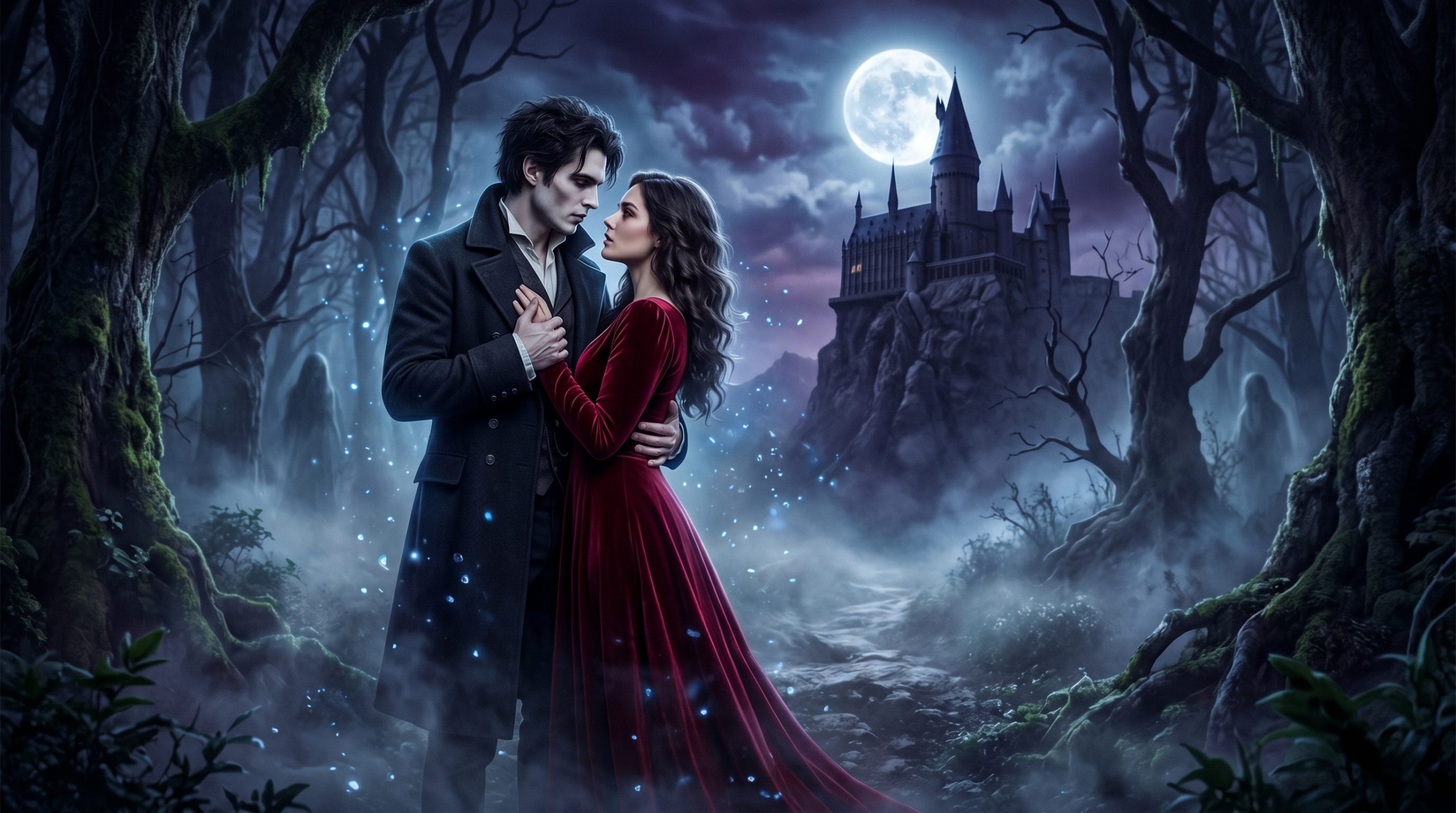
Why Romance Is the Best-Selling Fiction Genre and How to Write One That Sells becomes even more fascinating when viewed through the lens of paranormal romance—a subgenre that proves just how powerful love stories can be when paired with the extraordinary.
Paranormal romance has a magnetic pull that few other genres can match. It draws readers into worlds where the impossible feels deeply personal—where ancient vampires wrestle with centuries of loneliness, shape-shifters battle questions of identity, witches conceal dangerous truths, and ghosts carry emotional wounds that refuse to fade.
This enduring appeal is one reason romance continues to dominate the publishing industry. Readers are irresistibly drawn to stories that promise emotional intensity, high stakes, and unforgettable connections. Understanding Why Romance Is the Best-Selling Fiction Genre and How to Write One That Sells means recognizing that successful romance—especially paranormal romance—is never just about attraction or supernatural spectacle. It is about emotional resonance.
Readers may arrive for the intrigue of forbidden magic, immortal curses, or otherworldly powers, but they stay for the emotional connection. A telepathic bond between lovers means little if it carries no emotional consequence. An immortal love story falls flat if the characters do not feel achingly real in their fears, flaws, and desires.
This is where many writers stumble. Lean too heavily into elaborate fantasy worldbuilding, and the romance becomes overshadowed by lore. Focus only on the relationship, and the paranormal elements risk feeling ornamental rather than essential.
The most unforgettable paranormal romances achieve a seamless fusion of both. The supernatural must shape the emotional stakes, and the emotional journey must give meaning to the paranormal world.
If you want to craft paranormal romance that captivates readers, delivers supernatural thrills, and leaves a lasting emotional impact, mastering this balance is the key to writing a story readers will not only finish—but obsess over long after the final page.
What Makes Paranormal Romance Different From Traditional Romance
Paranormal romance is more than simply placing a love story in a supernatural setting.
At its core, this genre combines the emotional arc of romance with speculative elements such as:
- Vampires
- Werewolves
- Witches
- Demons
- Angels
- Ghosts
- Psychic powers
- Magical realms
- Curses
- Time travel
- Mythological creatures
What distinguishes paranormal romance from fantasy romance is emphasis.
In paranormal romance, the relationship arc remains central. The supernatural framework enhances and complicates the emotional journey rather than overshadowing it.
For example, a werewolf romance is not compelling simply because one character transforms during a full moon. It becomes compelling when that transformation symbolizes uncontrollable emotional vulnerability, fear of rejection, or the struggle to trust someone with one’s darkest nature.
That emotional symbolism is what creates depth.
Why Emotional Depth Matters in Paranormal Romance
Readers connect with emotion, not mythology. You can create the most original supernatural world imaginable, but if readers do not care about the characters’ emotional stakes, they will disengage. Emotional depth gives paranormal romance its heartbeat. It transforms supernatural conflict into something relatable.
Consider these examples:
| Supernatural Element | Emotional Meaning |
| Immortality | Fear of loss and endless loneliness |
| Shape-shifting | Identity struggles |
| Psychic bonds | Emotional intimacy or lack of privacy |
| Resurrection | Second chances and unresolved grief |
| Curses | Emotional baggage or inherited trauma |
| Forbidden magic | Dangerous vulnerability |
The supernatural works best when it mirrors human emotional experiences.
This is what allows readers to connect deeply with extraordinary characters.
Start With Human Emotion Before Supernatural Mechanics
One of the most common mistakes in writing paranormal romance is designing the supernatural system first. Writers often become fascinated by magical rules, creature hierarchies, and elaborate lore. While these are important, they should support emotional storytelling.
Start with the emotional conflict.
Ask yourself:
- What emotional wound does each character carry?
- What do they fear most?
- What are they longing for but afraid to pursue?
Once you know these answers, build supernatural elements that intensify those emotional struggles.
Example
Instead of beginning with:
“My heroine is a witch from a forbidden bloodline.”
Begin with:
“My heroine is terrified of intimacy because everyone she has ever loved has been harmed by her power.”
The supernatural identity becomes meaningful because it directly shapes emotional conflict. This approach creates richer storytelling and stronger romantic tension.
Create Supernatural Elements That Symbolize Emotional Conflict
The most memorable paranormal romance stories do not use supernatural traits simply for spectacle. The strongest stories use these elements as emotional metaphors, allowing readers to connect with fantastical concepts on a deeply personal level. This is what transforms paranormal romance from surface-level fantasy into emotionally resonant storytelling.
Supernatural abilities, curses, transformations, and mystical identities become far more compelling when they symbolize internal struggles that readers can recognize and relate to. These elements allow writers to externalize emotions that are often difficult to express in ordinary romance. Fear, longing, grief, shame, and vulnerability can all take on physical form through supernatural storytelling.
Vampires as Emotional Metaphors
Vampires remain one of the most popular figures in paranormal romance because they naturally represent intense emotional struggles. Their supernatural condition often symbolizes emotional hunger, addiction, isolation, and the painful tension between desire and restraint.
A vampire’s thirst can represent much more than physical need. It can mirror obsessive longing, emotional dependency, or the struggle to control destructive impulses. A vampire hero battling his thirst may reflect a character wrestling with emotional repression or deep self-loathing, afraid that surrendering to his desires will hurt the person he loves.
This emotional complexity is what makes vampire romance so enduring. The supernatural condition becomes a direct reflection of the character’s internal battle.
Werewolves as Emotional Metaphors
Werewolves are especially effective symbols for internal conflict. Their dual nature often represents the struggle between instinct and control, civilization and wildness, or the self we present to the world versus the parts we keep hidden.
A werewolf character may embody rage they cannot fully contain, reflecting real emotional experiences such as suppressed anger, trauma responses, or fear of losing control. Their transformations can symbolize moments when carefully maintained emotional barriers collapse.
Ghosts as Emotional Metaphors
Ghosts offer some of the richest emotional symbolism in paranormal romance because they are inherently tied to unresolved emotion. They often represent unfinished emotional business, regret, grief, and the inability to let go of the past.
A ghostly character may literally be trapped by unresolved pain, symbolizing the way emotional wounds can keep people stuck long after the original hurt has passed. Their haunting becomes a physical manifestation of memory, regret, or longing.
For example, a ghost unable to cross over because of unresolved love creates emotional stakes that go far beyond the supernatural premise. Their struggle becomes a reflection of how difficult it can be to release what we cannot change.
Witches as Emotional Metaphors
Witches often symbolize power, self-discovery, hidden identity, and the fear of one’s own capabilities. Their magic can represent both potential and danger, making them ideal for exploring emotional conflict.
A witch struggling to control her abilities may symbolize someone learning to navigate their own strength, especially if they have been taught to fear or suppress it. This can reflect real emotional journeys involving self-acceptance, confidence, or reclaiming personal agency.
Witchcraft also lends itself to themes of generational trauma. A family curse, inherited magical burden, or forbidden bloodline can symbolize the emotional weight people carry from family expectations, past mistakes, or cycles they are desperate to break.
Demons and Fallen Angels as Emotional Conflict
Demons and fallen angels add another powerful layer to paranormal romance because they often symbolize shame, redemption, and the struggle between identity and choice.
A demon who believes they are incapable of love reflects the very human fear of being too broken to deserve connection. Their supernatural nature may represent internalized guilt or the belief that past mistakes define who they are. Similarly, fallen angels often symbolize loss, exile, and fractured identity. Their stories frequently explore themes of redemption, belonging, and whether love can offer restoration. These supernatural figures create emotional resonance because they embody questions many readers understand: Can people truly change? Can love survive darkness? Is redemption possible after deep failure?
These are deeply human emotional conflicts expressed through extraordinary forms.
Why Symbolism Strengthens Paranormal Romance
When supernatural traits reflect emotional reality, the story gains far greater resonance. Readers become emotionally invested because the fantastical elements are not random additions—they are expressions of meaningful internal struggle.
This approach creates layered storytelling where every magical ability, curse, transformation, or supernatural limitation carries emotional significance. Instead of simply asking what makes your supernatural character different, ask what their supernatural nature reveals about their emotional state.
Build Romantic Chemistry Beyond Physical Attraction
In paranormal romance, it is tempting to rely on heightened supernatural attraction.
- Fated mates.
- Magical bonds.
- Destiny.
These devices can be effective, but they should never replace genuine emotional chemistry.
If your characters are drawn together solely because of magic, readers may struggle to invest.
Real chemistry emerges through:
Emotional Vulnerability
Characters must reveal emotional truths to each other.
This can happen gradually through:
Shared fears, confessions, acts of trust, and moments of quiet honesty.
Conflict and Tension
Strong romantic tension often comes from emotional obstacles rather than external supernatural threats. Perhaps one character fears attachment because immortality means inevitable loss. Perhaps another cannot trust someone from a rival supernatural species. These conflicts create richer emotional stakes.
Mutual Transformation
Both characters should change because of the relationship. Love should challenge them to confront fears, heal wounds, or evolve emotionally. This transformation is what makes the romance satisfying.
Make the Supernatural Conflict Personal
Large-scale supernatural conflicts can be exciting.
- Ancient prophecies.
- Interdimensional wars.
- Magical rebellions.
But emotional depth comes from personal stakes. Readers care more when external danger directly impacts internal struggle.
For example:
A vampire war is interesting. A vampire war forcing a hero to choose between loyalty to his coven and protecting the woman he loves is emotionally gripping.
The conflict becomes personal.
- When designing supernatural plotlines, always ask:
- How does this challenge the characters emotionally?
If the answer is unclear, the conflict may need refinement.
Avoid Common Paranormal Romance Clichés
Paranormal romance is filled with beloved tropes, but predictable execution can weaken originality.
The brooding supernatural hero, for instance, remains popular. Yet endless mystery without emotional depth quickly becomes exhausting.
Give such characters specific emotional wounds and clear motivations.
Fated mate stories also require careful handling.
Destiny may bring characters together, but genuine emotional development is what makes readers care.
Likewise, human protagonists should never exist solely to be rescued or introduced to supernatural lore.
They need agency, complexity, and emotional strength.
Final Thoughts
Writing powerful paranormal romance requires more than seductive vampires, magical curses, or supernatural battles.
It requires emotional truth. The supernatural elements create intrigue, but emotional depth creates connection. When readers believe in your characters’ fears, hopes, wounds, and transformations, they will invest fully in the romance—no matter how fantastical the setting. The real magic of paranormal romance lies in its ability to make extraordinary stories feel profoundly human. Blend supernatural imagination with authentic emotional complexity, and your story will linger in readers’ hearts long after the final page.
Frequently Asked Questions
What is the key to writing strong paranormal romance?
The key is balancing supernatural intrigue with authentic emotional development. The romance should feel emotionally real, while paranormal elements deepen the stakes.
How do I make supernatural characters relatable?
Focus on universal emotional experiences such as loneliness, fear, desire, grief, and vulnerability. Readers connect to emotion, not species.
Should worldbuilding come before romance development?
Start with emotional conflict first. Build supernatural systems that enhance and complicate the characters’ emotional journey.
Are fated mate tropes overused?
Not necessarily. They remain popular when combined with meaningful emotional growth, character choice, and genuine relationship development.
How much supernatural lore is too much?
If worldbuilding slows emotional momentum or distracts from the romance, it is likely too much. Lore should support emotional stakes.