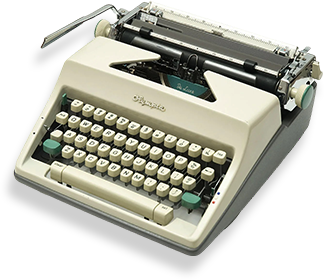
Ghostwriting is one of the most influential yet least visible forces in the writing industry. Behind bestselling books, powerful speeches, and widely shared articles, there is often a skilled writer working quietly in the background. While the concept may seem mysterious to those outside the field, ghostwriting is a structured, professional practice with clear processes and wide-ranging applications.Understanding ghostwriting—what it is, how it works, and who relies on it—can completely change how you view modern publishing and content creation.
Despite its many advantages, ghostwriting is far from a simple writing task. It requires a unique blend of technical skill, emotional intelligence, and professional discipline. Unlike traditional writing, where the author has full creative control, ghostwriting involves navigating another person’s vision while maintaining high-quality output.
Below are some of the most common challenges ghostwriters face, each demanding a specific set of skills to manage effectively.
Why Ghostwriting Matters: Behind the Scenes of Every Great Story
Capturing Someone Else’s Voice Accurately
One of the most fundamental—and difficult—aspects of ghostwriting is replicating another person’s voice. This goes beyond mimicking vocabulary or tone; it involves understanding how the client thinks, communicates, and expresses ideas.
Every individual has a distinct rhythm in their speech, shaped by their background, personality, and experiences. A ghostwriter must internalize these nuances and translate them into written form so seamlessly that the final content feels authentic.
This often requires:
- Conducting in-depth interviews to observe speech patterns
- Studying past content such as emails, speeches, or articles
- Continuously refining tone based on client feedback
The challenge lies in suppressing one’s own writing style while elevating someone else’s voice—without making it feel artificial or forced.
Managing Expectations and Feedback
Ghostwriting is inherently collaborative, which means managing client expectations is a constant part of the process. Clients may have a clear vision—or sometimes a vague one that evolves over time.
This can lead to challenges such as:
- Conflicting feedback across different stages of the project
- Changing direction after significant progress has been made
- Misalignment between what the client imagines and what is delivered
Effective communication becomes critical here. A skilled ghostwriter must not only accept feedback but interpret it accurately and translate it into actionable revisions.
At times, this also involves guiding the client—helping them understand what works structurally or stylistically, without overstepping professional boundaries.Balancing Creative Input with Client Direction
Ghostwriting exists at the intersection of creativity and constraint. While clients provide the ideas and overall direction, they often rely on the ghostwriter to shape those ideas into compelling narratives.
This creates a delicate balance.
On one hand, the writer must contribute creatively—structuring content, enhancing clarity, and improving flow. On the other hand, they must avoid overshadowing the client’s voice or altering the intended message.
The challenge is knowing when to:
- Take initiative and improve the material
- Step back and preserve the client’s original tone and intent
Too much creative control can distort authenticity, while too little can result in flat or ineffective writing. Navigating this balance is a defining skill of experienced ghostwriters.
Maintaining Confidentiality
Confidentiality is a cornerstone of professional ghostwriting. In most cases, ghostwriters do not receive public credit for their work and are expected to remain anonymous.
This responsibility extends beyond authorship and includes:
- Protecting sensitive client information
- Avoiding disclosure of project details
- Respecting contractual non-disclosure agreements (NDAs)
Maintaining confidentiality can be challenging, particularly when working on high-profile projects or content with significant impact. Ghostwriters must exercise discretion not only during the project but also long after it is completed.
This level of professionalism builds trust and is essential for sustaining long-term client relationships.Each of these challenges highlights that ghostwriting is more than just writing—it is a specialized discipline that demands adaptability, precision, and strong interpersonal skills. Successfully navigating these complexities is what separates a competent writer from a truly effective ghostwriter.
How Ghostwriting Works: The Process Step by Step
Although workflows can vary depending on the project, most ghostwriting engagements follow a structured process. This ensures clarity, efficiency, and alignment between the writer and the client.
1. Initial Consultation and Project Discovery
The process begins with understanding the client’s goals. This includes:
- Purpose of the content (e.g., authority building, storytelling, education)
- Target audience
- Desired tone and style
- Scope and timeline
This stage is critical because it sets the foundation for the entire project.
2. Research and Material Gathering
Ghostwriters rely heavily on source material. Depending on the project, this may include:
- Interviews with the client
- Notes, recordings, or transcripts
- Existing content or drafts
- External research for accuracy and depth
For memoirs or personal narratives, interviews play a central role. The writer extracts stories, emotions, and perspectives directly from the client.
3. Outline and Structure Development
Before drafting begins, the ghostwriter typically creates a detailed outline. This acts as a blueprint for the content.
A strong outline defines:
- Chapter or section breakdown
- Key themes and arguments
- Narrative flow
This step ensures both parties are aligned before significant writing work begins.
4. Writing the First Draft
Once the structure is approved, the ghostwriter begins drafting. This phase focuses on:
- Translating ideas into clear, engaging prose
- Maintaining consistency in tone and voice
- Structuring content for readability and impact
The first draft is rarely perfect—it’s a working version that captures the core content.
5. Revisions and Collaboration
Revision is where the content truly takes shape. The client reviews drafts and provides feedback, which the ghostwriter uses to refine the work.
This stage may involve:
- Adjusting tone or style
- Expanding or condensing sections
- Clarifying ideas
Effective collaboration is essential here. The goal is to ensure the final piece feels authentic to the client.
6. Final Delivery and Ownership Transfer
After revisions are complete, the ghostwriter delivers the final manuscript or content. At this point:
- The client assumes full ownership
- The ghostwriter typically relinquishes rights
- Confidentiality agreements remain in effect
The finished work is then published or used under the client’s name.
Who Uses Ghostwriting?
Ghostwriting is far more common than most people realize. It is used across industries by individuals who have ideas, expertise, or stories—but may lack the time or writing skill to express them effectively.
1. Business Leaders and Entrepreneurs
Executives and entrepreneurs often use ghostwriters to create:
- Thought leadership books
- Articles and blogs
- Speeches and presentations
These materials help position them as authorities in their field while allowing them to focus on their core business responsibilities.
2. Public Figures and Celebrities
Memoirs and autobiographies are among the most well-known examples of ghostwriting.
Celebrities, athletes, and public figures often rely on ghostwriters to:
- Structure their life stories
- Maintain narrative coherence
- Deliver engaging storytelling
Their experiences provide the content, while the ghostwriter shapes it into a compelling narrative.
3. Professionals and Subject Matter Experts
Doctors, coaches, consultants, and other experts frequently use ghostwriting to share their knowledge through:
- Books
- Guides
- Educational content
These individuals may have valuable insights but lack the time or writing expertise to produce polished material.
4. Content Creators and Influencers
In the digital age, content production is constant. Many influencers and online personalities use ghostwriters to maintain consistency across:
- Blog posts
- Social media updates
- Email newsletters
This allows them to scale their content output without sacrificing quality.
5. Authors and Aspiring Writers
Even some published authors collaborate with ghostwriters, particularly when:
- Working under tight deadlines
- Expanding into new genres
- Managing multiple projects simultaneously
In some cases, ghostwriters help develop ideas into fully realized manuscripts.
Why People Choose Ghostwriting
The decision to hire a ghostwriter is rarely about inability—it’s about efficiency and expertise.
Several key factors drive this choice:
- Time constraints: Writing a book or consistent content requires significant time investment
- Skill gaps: Not everyone is trained in structuring and writing long-form content
- Professional quality: Ghostwriters bring experience, ensuring polished results
- Speed: Projects can be completed faster with a dedicated writer
For many clients, ghostwriting is a strategic investment rather than a convenience.
The Ethics of Ghostwriting
Few aspects of ghostwriting generate as much debate as its ethical standing. At first glance, the idea of one person writing content that another claims as their own can seem questionable. However, in professional practice, ghostwriting operates within well-defined ethical boundaries—rooted in consent, accuracy, and intent. Rather than being inherently deceptive, ghostwriting is best understood as a form of collaborative authorship, where each party contributes a different but equally important element. The client brings the ideas, expertise, or life experience, while the ghostwriter contributes the technical skill required to shape those ideas into clear, compelling writing.
The ethical foundation of ghostwriting depends on a few critical principles.
Mutual Agreement and Informed Consent
At its core, ethical ghostwriting is a consensual arrangement. Both the client and the writer enter into the partnership with a clear understanding of roles, expectations, and outcomes.
This agreement is typically formalized through a contract that defines:
- Ownership and authorship rights
- Scope of work and responsibilities
- Payment terms
- Confidentiality clauses
Because both parties knowingly agree to the structure, there is no inherent deception within the working relationship itself. The ghostwriter is compensated for their expertise, and the client retains the right to present the work as their own.
Authentic Representation of Voice and Ideas
Ethical ghostwriting requires more than just technical writing ability—it demands fidelity to the client’s voice and intent. The goal is not to fabricate ideas, but to articulate what the client genuinely thinks, believes, or has experienced.
A skilled ghostwriter:
- Captures the tone, personality, and communication style of the client
- Ensures arguments and perspectives align with the client’s views
- Avoids inserting personal opinions that distort the original message
When done correctly, the final work is not a replacement of the client’s voice, but an extension of it. The ghostwriter acts as a translator—turning raw ideas into polished, readable content without altering their essence.
Intent and the Line Between Collaboration and Deception
The ethical line in ghostwriting is largely defined by intent. Not all undisclosed authorship is problematic; what matters is whether the work is used to mislead in a harmful or dishonest way.
Ghostwriting remains ethically sound when:
- The content reflects the client’s genuine knowledge or experiences
- There is no false claim of expertise that could harm others
- The purpose is communication, not manipulation
For example, a business leader using a ghostwriter to produce a book based on their real-world experience is generally considered ethical. However, presenting ghostwritten material as proof of expertise the client does not possess—particularly in sensitive fields—raises legitimate concerns.
Industry Norms and Professional Acceptance
Ghostwriting is not an underground practice; it is widely recognized and accepted across multiple industries, including publishing, business, politics, and entertainment.
Memoirs, speeches, and thought leadership content are often collaborative efforts, even when only one name appears on the cover. In many cases, audiences implicitly understand that such works may involve professional writing support.
This broader acceptance reinforces the idea that ghostwriting, when conducted responsibly, is not deceptive but practical. It enables individuals with valuable insights to communicate effectively, even if writing is not their primary skill.
A Balanced Perspective on Ethics
Ultimately, the ethics of ghostwriting are not black and white. They exist on a spectrum shaped by transparency, authenticity, and purpose.
At its best, ghostwriting is a partnership:
- The client provides substance, authority, and direction
- The writer provides structure, clarity, and narrative skill
Together, they produce work that might not have existed otherwise—or at least not in the same refined form.
When guided by honesty and professional integrity, ghostwriting is less about hiding authorship and more about enabling ideas to reach their full potential.
Ghostwriting vs Co-Authoring: Key Differences
While ghostwriting involves complete anonymity, co-authoring offers shared credit. Understanding the distinction is important.
| Aspect | Ghostwriting | Co-Authoring |
|---|---|---|
| Credit | Client only | Shared between writer and client |
| Visibility | Ghostwriter remains anonymous | Writer is publicly acknowledged |
| Control | Client has full ownership | Shared influence over content |
| Purpose | Voice replication | Collaborative creation |
Both models have their place, depending on the goals of the project.
FAQ: Ghostwriting Explained
Is ghostwriting legal?
Yes, ghostwriting is completely legal when governed by a contract that clearly defines ownership and rights.
Do ghostwriters get credit for their work?
Typically, no. Ghostwriters remain anonymous unless otherwise agreed upon. Some projects may include acknowledgments, but this is optional.
How long does a ghostwriting project take?
It depends on the scope. A book may take several months, while shorter content like articles can be completed in days or weeks.
Can ghostwriters write in any genre?
Experienced ghostwriters often specialize but can adapt to multiple genres depending on their expertise and research capabilities.
Is ghostwriting expensive?
Costs vary widely based on experience, project complexity, and length. High-quality ghostwriting is a professional service and is priced accordingly.
Final Thoughts
Ghostwriting is not just a behind-the-scenes service—it’s a cornerstone of modern content creation. It enables ideas to be shared, stories to be told, and expertise to reach wider audiences. By bridging the gap between knowledge and expression, ghostwriters play a critical role in shaping the written content we consume every day. Whether it’s a bestselling memoir, a business book, or a compelling article, ghostwriting ensures that valuable ideas don’t remain unheard—regardless of who holds the pen publicly.