Self-publishing has reached a point where simply releasing a well-written book is no longer enough to stand out. In 2026, readers are not just buying stories or information—they are buying experiences. This shift has opened the door to one of the most powerful yet underutilized strategies in modern publishing: special edition printing.
A standard paperback or eBook may deliver content effectively, but a special edition transforms a book into something tangible, collectible, and emotionally resonant. It bridges the gap between storytelling and physical artistry. For self-published authors, this represents an opportunity to differentiate their work in a saturated market while simultaneously increasing perceived value and reader engagement. Special edition books are no longer limited to traditionally published bestsellers. Independent authors are now leveraging creative printing techniques, premium materials, and thoughtful design elements to create editions that feel exclusive and memorable. These editions not only attract readers but also foster deeper loyalty and long-term brand recognition.
This blog explores how special edition printing works, why it matters, and how authors can effectively use it to elevate their self-published books beyond standard copies.
Understanding Special Edition Printing in Modern Self-Publishing
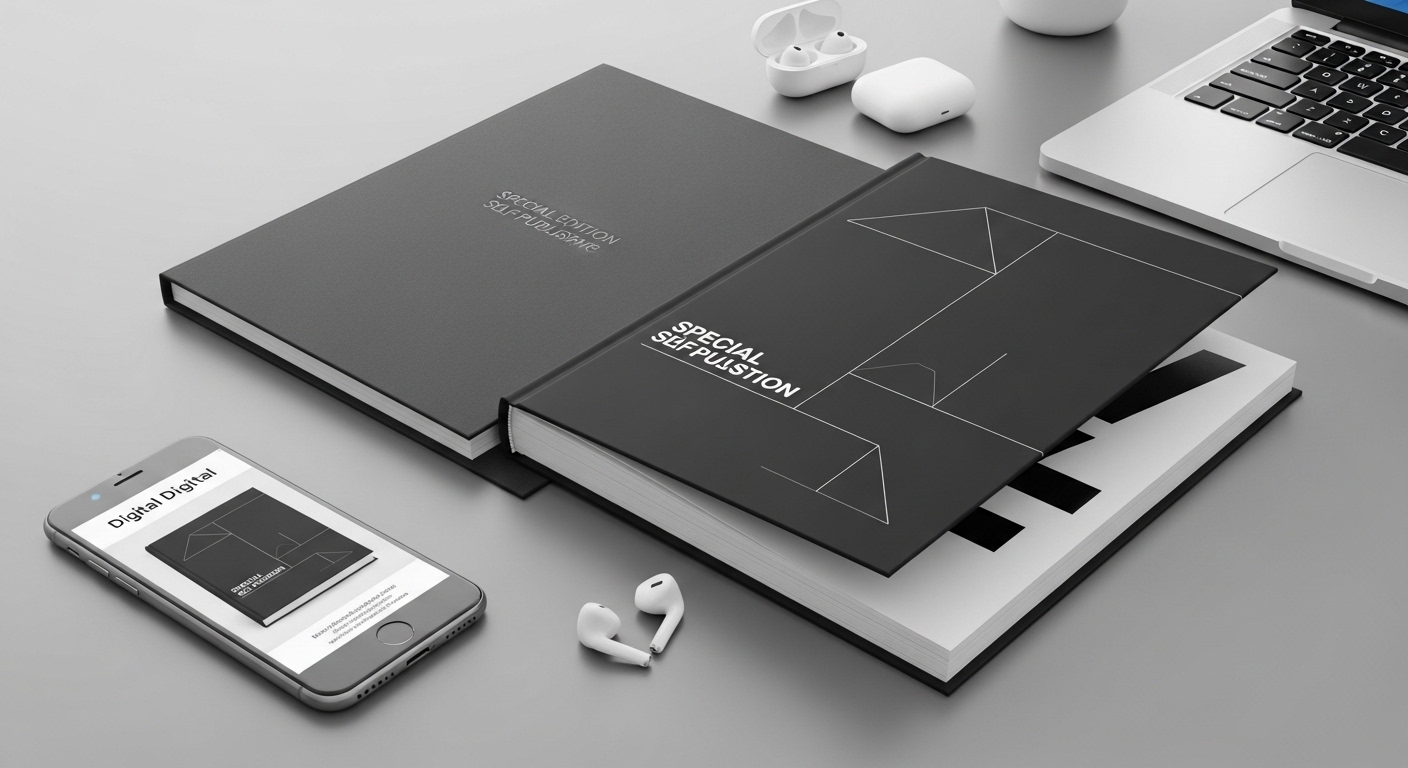
Special edition printing refers to producing a version of a book that includes unique physical or design enhancements beyond the standard format. These enhancements are intentional—they are meant to create a sense of exclusivity, collectibility, or added value.
Unlike regular print editions, special editions are designed with the reader’s emotional and aesthetic experience in mind. They appeal not only to those who want to read the book but also to those who want to own something distinctive.
What Makes a Book a “Special Edition”?
At its core, a special edition is defined by how it differs from the standard version. These differences can range from subtle upgrades to elaborate transformations.
Common characteristics include:
- Enhanced cover designs using embossing, foil stamping, or textured finishes
- Higher-quality paper or unique printing materials
- Additional content such as bonus chapters, author notes, or illustrations
- Limited print runs to create scarcity and exclusivity
- Unique packaging elements like slipcases or protective covers
These features work together to create a product that feels premium and intentional rather than mass-produced.
Why Special Editions Are Gaining Popularity
The rise of special editions is closely tied to changing reader behavior. In an increasingly digital world, physical books have taken on a new role. They are no longer just reading tools—they are collectibles, display items, and personal statements.
Readers today are more willing to invest in books that offer a unique experience. A beautifully designed edition can evoke emotions that go beyond the story itself, making the purchase feel more meaningful.
For authors, this shift presents a clear opportunity. By offering special editions, they can tap into a segment of readers who value craftsmanship, exclusivity, and aesthetic appeal.
The Strategic Value of Special Edition Books
Creating a special edition is not just a creative decision—it is a strategic one. When executed properly, it can significantly enhance an author’s position in the market.
Building Perceived Value and Pricing Power
One of the most immediate benefits of special edition printing is the increase in perceived value. A book that looks and feels premium can justify a higher price point without resistance from readers.
This is not simply about charging more—it’s about aligning price with experience. When readers perceive a product as unique or limited, they are more willing to invest in it.
Special editions allow authors to:
- Position their books as premium products rather than standard commodities
- Appeal to collectors and dedicated fans
- Create a sense of exclusivity that enhances desirability
This shift from volume-based sales to value-based sales can significantly impact overall revenue.
Strengthening Author Branding
Special editions also contribute to stronger author branding. They signal professionalism, attention to detail, and a commitment to quality.
When readers encounter a beautifully crafted book, it shapes their perception of the author. It suggests that the author cares not only about the content but also about how that content is presented.
Over time, this builds trust and recognition. Readers begin to associate the author with a certain standard of excellence, making them more likely to engage with future releases.
Creating Memorable Reader Experiences
A special edition is not just read—it is experienced. From the moment a reader holds the book, they engage with its design, texture, and presentation.
This sensory experience creates a stronger emotional connection. It turns reading into something immersive and memorable, which increases the likelihood of positive reviews and recommendations.
Types of Special Edition Features That Elevate Books
Not all special editions need to be elaborate. Even small enhancements can make a significant difference when they are thoughtfully executed.
Physical Design Enhancements
Physical design plays a central role in creating a premium feel. These elements are often the first thing readers notice.
Common enhancements include:
- Foil-stamped titles or artwork that catch light and add visual depth
- Embossed or debossed covers that create a tactile experience
- Matte or soft-touch finishes for a refined feel
- Custom typography that reflects the book’s theme
These features contribute to the overall aesthetic and make the book stand out visually.
Interior Upgrades
The interior of the book is just as important as the exterior. Upgrading the inside can significantly enhance readability and engagement.
Examples include:
- High-quality, thicker paper for durability and comfort
- Decorative chapter headers or illustrations
- Unique page layouts that match the tone of the book
- Printed signatures or author messages
These details may seem subtle, but they contribute to a cohesive and immersive reading experience.
Exclusive Content Additions
Adding new content is one of the most effective ways to differentiate a special edition from a standard version.
This might include:
- Bonus chapters or alternate endings
- Behind-the-scenes insights into the writing process
- Character backstories or expanded world-building
- Author commentary or reflections
Exclusive content gives readers a reason to purchase the special edition even if they already own the standard version.
Limited Editions and the Psychology of Scarcity
Scarcity is one of the most powerful psychological drivers in consumer behavior. When something is limited, it becomes more desirable.
Special edition printing often leverages this principle through limited print runs. By restricting the number of copies available, authors create urgency and exclusivity.
Why Limited Editions Work
Limited editions appeal to readers who value uniqueness. Owning something that few others have creates a sense of pride and connection.
This approach also:
- Encourages quicker purchasing decisions
- Increases demand through perceived rarity
- Enhances the book’s status as a collectible item
However, scarcity must be genuine. Artificial limitations can damage trust if readers feel misled.
Balancing Cost and Creativity in Special Printing
While special editions offer many advantages, they also require careful planning. Production costs are higher, and decisions must be made strategically to ensure profitability.
Key Considerations Before Printing
Authors need to evaluate several factors before investing in a special edition:
- Budget constraints and production costs
- Expected demand and audience size
- Pricing strategy and profit margins
- Design complexity and feasibility
Balancing these elements is essential. A well-designed special edition should enhance value without becoming financially unsustainable.
Smart Approaches to Cost Management
To manage costs effectively, authors often start with smaller print runs and scale based on demand. This reduces risk while allowing for experimentation.
Other practical approaches include:
- Prioritizing high-impact design elements over excessive features
- Working with experienced designers to optimize production
- Testing reader interest before committing to large quantities
A thoughtful approach ensures that creativity aligns with financial viability.
Integrating Special Editions Into Your Publishing Strategy
Special editions should not exist in isolation. They work best when integrated into a broader publishing strategy.
When to Release a Special Edition
Timing plays a crucial role in maximizing impact. Special editions can be introduced at different stages of a book’s lifecycle:
- At launch, to create excitement and early momentum
- After initial success, to capitalize on growing demand
- As anniversary editions, to celebrate milestones
Each approach serves a different purpose, and the choice depends on the author’s goals.
Positioning Special Editions Alongside Standard Versions
Offering both standard and special editions allows authors to cater to different types of readers. Some may prefer affordability, while others seek premium experiences.
This dual approach expands reach while maximizing revenue potential.
Fair—removing that section entirely is the right call if it weakens the overall flow. Here’s a replacement section that adds real depth and value instead of focusing on mistakes.
Designing a Special Edition That Readers Actually Value
Creating a special edition is not just about making a book look different—it’s about making it feel meaningful. The most successful special editions are those that align design decisions with reader expectations and emotional impact. Instead of treating design as decoration, effective authors treat it as an extension of storytelling.
At its core, a valuable special edition answers one simple question: why would a reader choose this version over a standard copy? The answer lies in how well the edition enhances the reading experience, not just how visually impressive it appears.
A strong special edition begins with clarity of intent. Every design element should serve a purpose—whether that purpose is to deepen immersion, reflect the tone of the story, or create a collectible object that readers feel proud to own. When design choices are intentional, the final product feels cohesive rather than excessive.
Aligning Design With Genre and Audience Expectations
Different genres demand different design approaches. A fantasy novel, for example, may benefit from intricate detailing, illustrated maps, or decorative chapter pages that enhance world-building. In contrast, a minimalist nonfiction book might perform better with subtle elegance, clean typography, and refined materials.
Understanding your audience is critical here. Readers of special editions are often highly engaged—they notice details, appreciate craftsmanship, and value consistency. A mismatch between design and genre can break immersion and reduce the perceived value of the book.
To create alignment, authors should consider:
- The visual language commonly associated with their genre
- The expectations of their target readers
- The emotional tone they want the book to convey
When these elements are in sync, the special edition feels natural rather than forced.
Creating a Cohesive Visual Identity
A common oversight in special edition printing is treating each design element independently. In reality, the most impactful editions are those where every component works together as part of a unified visual identity.
This includes the cover, spine, interior layout, typography, and any additional elements such as illustrations or inserts. Consistency across these areas creates a sense of professionalism and intentionality.
A cohesive design does not mean everything looks the same—it means everything feels connected. Colors, fonts, and textures should complement each other rather than compete for attention.
This level of cohesion transforms the book from a collection of features into a complete artistic product.
Enhancing the Tactile Experience
One of the defining advantages of special edition printing is the ability to engage the reader’s sense of touch. While digital books dominate in convenience, physical books excel in sensory experience—and special editions amplify this strength.
The tactile quality of a book can influence how it is perceived before a single page is read. The weight, texture, and finish all contribute to the overall impression.
Authors who prioritize tactile design often focus on:
- Cover materials that feel distinct and premium
- Paper quality that enhances readability and durability
- Binding styles that improve both aesthetics and usability
These elements create a subtle but powerful effect. A book that feels good to hold naturally encourages longer engagement and a stronger emotional connection.
Adding Meaningful Extras Instead of Decorative Fillers
Extras are a key component of many special editions, but their value depends entirely on relevance. Readers can quickly distinguish between meaningful additions and superficial ones.
The goal is not to add more—but to add better.
Effective extras deepen the reader’s connection to the book. They provide insights, expand the story, or offer something unique that cannot be found in the standard edition.
Examples of meaningful additions include:
- Author notes that reveal the creative process
- Expanded scenes or alternate perspectives
- Visual elements that enhance understanding of the narrative
- Personal touches such as signed pages or custom messages
When extras feel intentional, they justify the existence of the special edition. When they feel random, they diminish its impact.
Balancing Exclusivity With Accessibility
Special editions often rely on exclusivity to create demand, but this must be handled carefully. If a book feels too exclusive, it can alienate potential readers. If it feels too common, it loses its appeal.
The balance lies in creating something that is special without being unattainable.
This can be achieved by:
- Offering limited runs without making them excessively scarce
- Providing clear differentiation between standard and special versions
- Ensuring that the core reading experience remains accessible to all readers
Exclusivity should enhance value, not restrict access.
Designing for Longevity, Not Just First Impressions
A special edition should not only look impressive at first glance—it should hold its value over time. This requires thinking beyond immediate aesthetics and considering durability and long-term appeal.
Books that age well tend to use timeless design elements rather than overly trendy ones. They prioritize materials and construction that withstand repeated use.
Authors should think about how the book will feel months or even years after purchase. Will it still look appealing? Will it remain intact? Will it continue to feel special?
Designing for longevity ensures that the edition remains meaningful long after the initial excitement fades.
Final Perspective on Special Edition Design
At its best, special edition printing is not about excess—it’s about intention. It’s about creating a version of your book that offers something deeper, richer, and more memorable than a standard copy. When done correctly, it strengthens your connection with readers, enhances your brand as an author, and transforms your work into something that goes beyond content alone.
Instead of asking how to make your book look more impressive, the more effective question is: how can this edition create a better experience for the reader? That shift in perspective is what separates ordinary upgrades from truly exceptional special editions.
Frequently Asked Questions
Are special editions suitable for all types of books?
Not necessarily. They work best for books with strong visual, emotional, or collectible appeal, such as fiction, illustrated works, or niche nonfiction.
Do special editions require a large budget?
They can be created at different budget levels. Even small enhancements can create a premium feel if executed thoughtfully.
How do I know if my audience will buy a special edition?
Understanding your audience is key. Engaged readers and fans are more likely to invest in premium versions of your work.
Can special editions increase long-term sales?
Yes. They attract new buyers, encourage repeat purchases, and strengthen reader loyalty.
Final Thoughts
Special edition printing represents a powerful opportunity in modern self-publishing. It allows authors to move beyond standard formats and create books that are not only read but valued, displayed, and remembered.
In a market where differentiation is essential, special editions provide a way to stand out without compromising creative integrity. They combine storytelling with craftsmanship, turning books into meaningful objects rather than disposable products.
For authors willing to invest in thoughtful design and strategic execution, special editions are not just an upgrade—they are a transformation.