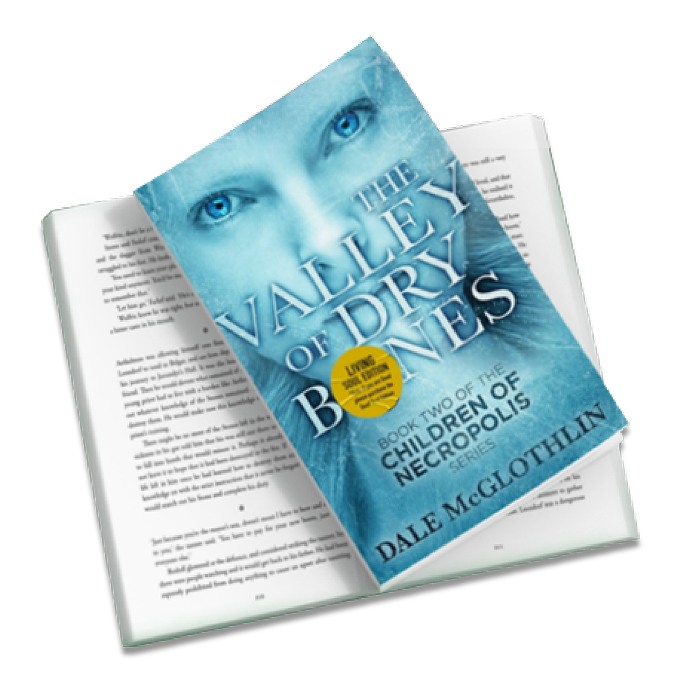
Imagine walking into a library filled with hundreds of books about space, animals, or adventures. Which book would you pick? Probably the one written by an author whose name you recognize, or someone who explains things in a way you enjoy and trust. That’s the power of author branding.
Author branding is how you show people you know your topic and that they can trust your ideas. It’s like building a lighthouse—your knowledge is the light that helps readers find you among thousands of other authors. When done well, your brand doesn’t just sell books; it creates fans, friends, and opportunities to share your ideas with the world.
This guide will teach you how to pick your special topic, show why you are unique, share your ideas in fun ways, and become a trusted expert in your field—even if you’re just starting out.
The Power of Your Story: Why Your Journey Matters
Every author has a story, and it’s more powerful than any marketing slogan or tagline. Readers don’t just connect with facts—they connect with people who have lived, learned, and grown. Your journey shapes how you write, what you value, and the way you explain your ideas. It’s the lens through which your expertise becomes relatable and trustworthy.
Think about the challenges you’ve faced as an author. Maybe you struggled to finish your first manuscript, or perhaps you spent months researching a topic before feeling confident enough to write. Those “aha” moments—when a tricky concept finally clicks or a story idea falls perfectly into place—are part of your journey. Sharing these moments shows readers that you are not only knowledgeable but also human. Even small victories count. Explaining how you overcame a challenge can teach readers more than just listing facts ever could.
Building Authority Through Mini Experiments
Many guides tell authors to “create content” without explaining how to test what actually works. Mini experiments are a way to show expertise while learning what resonates with your audience. They’re low-risk, highly informative, and help you position yourself as an expert organically.
Start small. Publish a short story, a how-to guide, or a quick video. Observe which pieces gain attention or spark engagement. Maybe your science experiment video gets shared by teachers, or your short story receives heartfelt comments from readers. Each interaction gives insight into your audience and helps refine your voice.
Hosting tiny workshops, even for just 10 minutes, is another way to experiment. It doesn’t need to be flashy—sometimes a small, focused session teaches more than a long, elaborate program. Afterward, pay attention to reactions: which parts were clear, which sparked curiosity, and which needed more explanation. These experiments create a feedback loop that allows your brand to grow thoughtfully, proving your expertise in real time rather than relying on guesswork.
Designing Your “Expert Ecosystem”
Your author brand is not built in isolation—it’s an interconnected ecosystem. Every piece of content, from blogs to videos to newsletters, should reinforce the others and guide your readers toward deeper engagement. This strategy transforms your brand from a series of random posts into a cohesive experience that showcases your expertise.
Think of it like a ripple in water: a short tutorial video can spark questions, which you answer in a blog post. That blog can then lead readers to subscribe to your newsletter, where you provide a mini-course or behind-the-scenes insight. Each touchpoint strengthens your authority and gives your readers multiple ways to connect with you.
Layering your content strategically is crucial. Instead of posting randomly, create a mini-series or theme that demonstrates depth over time.
For example, if you write about space, you might start with a “Planet of the Week” video, followed by a blog exploring the planet’s unique features, and finish with an interactive quiz for readers. This layered approach shows that your expertise is consistent, well-rounded, and intentional, making your brand more credible and memorable.
Step 1: Finding Your Special Topic (Your Niche)
The first step to building your author brand is to know what you are really good at. This is your niche—the special area where you can help people, teach, or tell stories better than anyone else.
Ask yourself:
- What topics make me excited to talk or write about?
- What do my friends or classmates ask me to explain?
- What makes me different from other people who write?
For example, imagine you love dinosaurs. You know all their names, facts, and how they lived. That could be your niche. Or maybe you are great at making chocolate chip cookies and love teaching others how to bake. That could also be your niche!
Once you have a niche, think about your readers. Who would want to learn from you? Kids who love dinosaurs? Young bakers who want to impress their families? Knowing your readers helps you write in a way they will enjoy and understand.
Try sharing small pieces of your work to see what people like. Write a story, a tip, or a short article. If your friends, teachers, or readers enjoy it, you are on the right track.
Step 2: Showing What Makes You Unique (Your UVP)
Once you know your topic, you need to show why you are the right person to teach it. This is your Unique Value Proposition (UVP). Think of it as your “superpower.”
Your UVP explains why readers should trust you and what makes your work special.
For example:
- A dinosaur expert might make learning about prehistoric animals fun with exciting stories and illustrations.
- A young chef might teach kids to bake with easy steps and fun games in the kitchen.
- A storyteller could use rhymes or silly characters to make reading unforgettable.
Your UVP should appear everywhere: your website, your book cover, or even the way you talk about your work. When people see it over and over, they remember you and trust your expertise.
Step 3: Sharing Your Ideas With Others
Knowing something is one thing. Sharing it with others is how people see you as an expert. Your author platform is the space where you show your ideas and knowledge.
Your website is your home base. It could have:
- An “About Me” page to tell your story.
- A section for your books or stories.
- Tips, articles, or fun facts to show your knowledge.
Social media or newsletters can help you reach more readers. You could post:
- A fun fact about dinosaurs each week.
- A short video showing how to bake cookies.
- A story snippet or a mini drawing tutorial.
The key is helping people and showing your knowledge in a fun, easy way. People will start to see you as someone who knows a lot about your topic.
Step 4: Making Content That Proves Your Expertise
Content is the proof that you know your topic. The more helpful, interesting, and fun your content is, the more people trust you.
Ideas for content:
- Stories: Write adventures or stories about your topic.
- Guides or How-Tos: Show step-by-step tips, like “How to Draw a Dinosaur in 5 Easy Steps.”
- Fun Facts: Share little-known facts or cool secrets.
- Videos: Show experiments, drawings, or cooking tips.
Consistency is important. Posting regularly, even small pieces, helps readers remember you. Over time, your content builds a reputation: “This author really knows what they are talking about!”
Step 5: Working With Others
You don’t have to do everything alone. Working with other authors or experts helps people see your knowledge faster.
For example:
- Write a story with a friend or mentor.
- Share tips in a class or online event.
- Join a group where kids or authors share their ideas.
When you collaborate, you reach more people, and your brand grows stronger. It’s also a great way to learn new ideas while showing off your own skills.
Step 6: Speaking and Sharing Publicly
Being seen is another way to build authority. Every time you share your knowledge in public, more people see you as an expert.
You can:
- Talk in interviews or podcasts.
- Teach a class or host a workshop.
- Make short videos to explain your ideas.
Each public appearance helps people remember your name and see that you really know your topic. You can even reuse these talks or videos on your website or social media to reach even more readers.
Step 7: Checking Your Progress and Getting Better
Even experts need to see how they are doing. Check:
- How many people read your blog or watch your videos.
- How many people sign up for your newsletter.
- Which topics people like most.
If something works well, do more of it. If it doesn’t, try a new idea. This helps you grow and become an even stronger author.
Simple Table: Examples of Author Niches
| Author Niche | Topic Example | What Makes Them Special (UVP) |
| Children’s Stories | Adventure stories | Makes reading fun and teaches important lessons. |
| Science & Nature | Animals, planets | Explains tricky science in a way kids can understand. |
| Cooking & Food | Easy recipes for kids | Shows simple ways to cook tasty treats that kids can try. |
| History & Culture | Famous events or people | Tells history as exciting stories that kids remember. |
| Art & Creativity | Drawing, painting, crafts | Helps kids explore their imagination and make amazing art. |
FAQ
Q1: How long does it take to become a known expert?
It can take months or years. What matters most is being consistent and helpful.
Q2: Can I write about more than one topic?
Yes, but it is easier to start with one topic first. Once people know you, you can add more.
Q3: Do I need social media?
It helps, but the main thing is sharing ideas in ways your readers enjoy.
Q4: What content is best?
Stories, tips, guides, fun facts, and videos are all great ways to show knowledge.
Q5: How do I improve my brand?
Check what people like, ask for feedback, and try new ways to share your ideas.
Conclusion: Your Brand is Your Superpower
Being a known expert isn’t about showing off. It’s about helping people, sharing your ideas, and showing your knowledge in ways others can trust.
Find your topic, show what makes you special, share your ideas, work with others, and keep checking what works. Over time, people will see you as someone who really knows your stuff—a trusted author they enjoy and learn from.
Your author brand is your superpower. Use it to light the way for readers, inspire them, and grow as a creator.