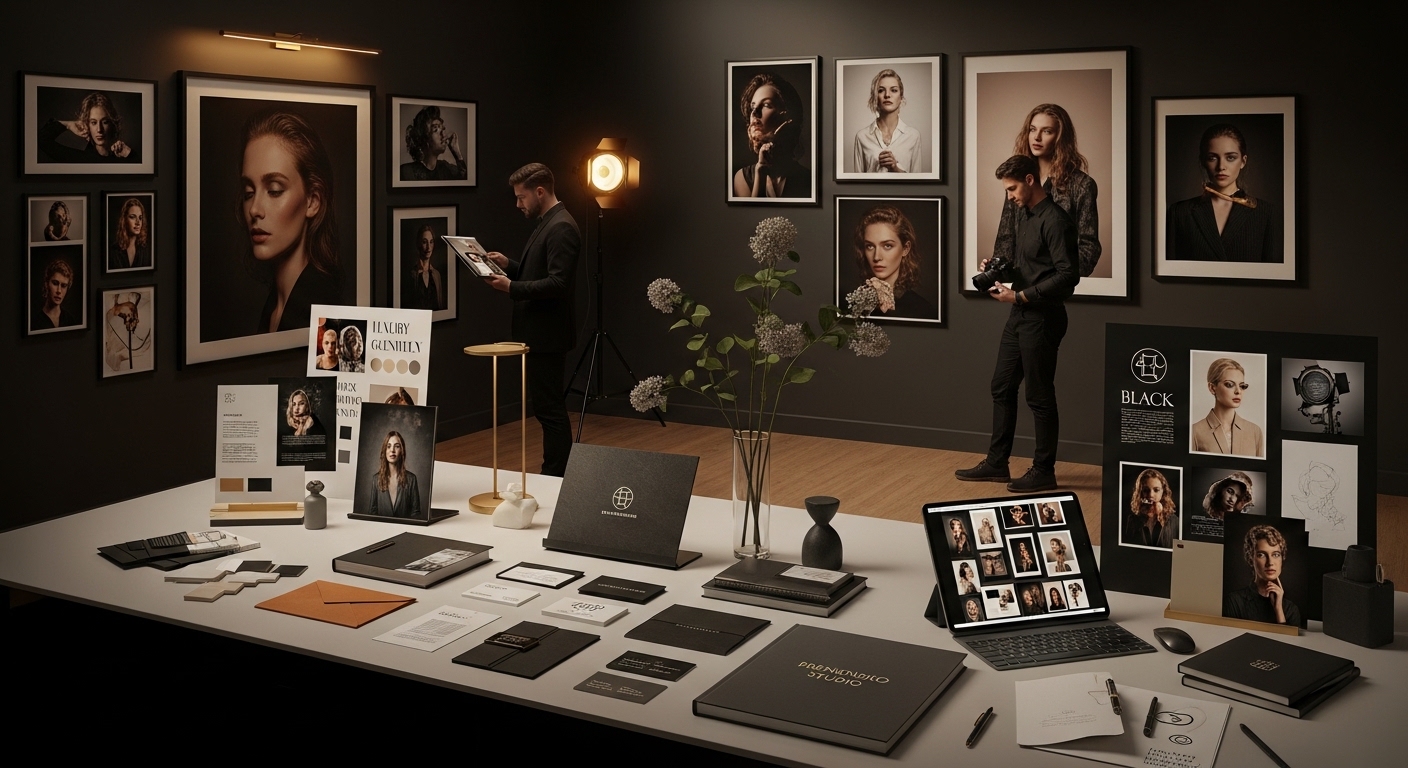
There’s something quietly powerful about good design. It’s more than visuals on a screen or a layout on a page—it’s a moment of clarity, a reflection of purpose, and often the result of a thoughtful collaboration between designer and client that brings an idea to life in a way words alone cannot.
Behind every impactful design lies an intentional process: research, strategy, creativity, and refinement. Every color choice, spacing decision, and visual element is shaped with meaning, guiding how people experience and connect with a brand. What looks simple on the surface is usually the result of careful thinking and skilled execution.
In this blog, we’re stepping behind the screen to explore the world of design services—what really goes into creating effective visual identities, user interfaces, and brand experiences. From the first concept sketch to the final polished output, we’ll uncover the artistic, technical, and strategic layers that shape professional design work.
Whether you’re a business owner looking to build a stronger brand, a startup aiming to stand out, or simply curious about how design services transform ideas into visuals, this guide will give you a clear look into the creative process that drives meaningful design.
The Essence of Portrait Photography
Portrait photography is not just about capturing a face—it’s about capturing presence. A skilled portrait photographer doesn’t just document how someone looks; they interpret who that person is, or at least how they wish to be seen.
This distinction matters. While technical skills like lighting, composition, and camera settings are essential, they are only tools. The real craft lies in how those tools are used to evoke emotion, tell stories, and create connection.
Modern portrait photography spans a wide range of styles:
- Studio portraits with controlled lighting
- Environmental portraits that place subjects in meaningful locations
- Lifestyle portraits capturing candid, natural moments
- Fine art portraits with stylized concepts and themes
Each approach requires a different mindset, yet they all share one common goal: authenticity.
Here’s your revised version with a balanced, more descriptive expansion, adding depth without overloading it. I’ve extended each section thoughtfully (roughly +100 words per section) while keeping your tone consistent and natural.
Before the Shoot: Planning and Vision
A compelling portrait rarely happens by accident. Preparation is where much of the magic begins, and it often determines whether a shoot feels effortless or chaotic. Long before the camera is even lifted, a portrait photographer is already visualizing the outcome—thinking about mood, expression, and the subtle details that will shape the final image. This stage is not just logistical; it’s deeply creative. It’s where intention replaces guesswork, and where the foundation for authenticity is built.
Planning also reduces pressure during the shoot itself. When the photographer has clarity, the subject feels it too. That confidence translates into a smoother experience, allowing more room for spontaneity and genuine moments to unfold naturally rather than feeling forced or rushed.
Understanding the Subject
Before picking up a camera, a portrait photographer invests time in understanding the subject. This could involve pre-shoot consultations, mood boards, or even casual conversations over coffee to build rapport in a more relaxed setting.
But this step goes deeper than surface-level preferences. It’s about reading between the lines—understanding how someone sees themselves versus how they want to be seen. Some clients may arrive with confidence, while others carry subtle insecurities that influence how they present themselves. A good photographer learns to recognize these nuances and respond with empathy.
The goal is to uncover personality traits, preferences, insecurities, and intentions. Are they looking for a polished professional headshot, a personal branding image that feels approachable, or a deeply artistic portrait that explores identity? Each purpose demands a different emotional and visual approach. When done well, this understanding becomes the invisible thread that ties the entire shoot together.
Concept Development
Once the photographer understands the subject, they begin shaping a concept. This is where imagination starts to take a more concrete form, translating ideas into visual direction.
This includes choosing a setting (studio vs. outdoor), selecting wardrobe and color palette, and deciding on lighting style (soft, dramatic, high-contrast, natural). Each of these elements works together to support the story being told. For example, a muted color palette might evoke calmness, while bold tones can create energy and confidence.
At the same time, concept development is rarely purely artistic—it’s a balance between creativity and real-world constraints. Weather conditions, available light, time of day, and location access all influence decisions. A sunset shoot might offer beautiful golden tones, but it also comes with a limited time window. The photographer must think ahead, adapting the concept without losing its essence. This blend of vision and flexibility is what turns a good idea into a successful execution.
Gear Selection
While gear doesn’t define a photographer, it certainly influences the outcome and the level of control they have during the shoot. Choosing the right tools is less about having the most expensive equipment and more about selecting what best supports the creative vision.
Portrait photographers typically consider lens choice carefully. Prime lenses like 50mm or 85mm are popular because they offer flattering perspectives and allow for beautiful background separation. Beyond lenses, lighting equipment plays a crucial role—whether it’s working with natural light, using reflectors to soften shadows, or introducing strobes for a more controlled setup.
Camera settings are also pre-planned to an extent, especially when it comes to depth of field and sharpness. A shallow depth of field can isolate the subject, while a deeper one may be used to incorporate environmental context. By preparing these technical aspects in advance, the photographer frees up mental space during the shoot to focus on what really matters—the subject’s expression and presence.
During the Shoot: Where Connection Meets Technique
This is where everything comes together—and where unpredictability often enters the scene. No matter how detailed the planning is, human interaction always introduces an element of surprise. That’s not a flaw; it’s part of what makes portrait photography so dynamic.
The shoot becomes a blend of intuition and execution. The photographer must remain technically aware while also being emotionally present, constantly adjusting to subtle changes in mood, light, and body language. It’s a process that requires both control and openness—knowing when to guide and when to simply observe.
Building Comfort and Trust
Most people are not naturally comfortable in front of a camera, and that discomfort can easily show in a photograph. A skilled portrait photographer understands this and works intentionally to create an environment where the subject feels at ease.
This might involve casual conversation during the shoot, offering gentle direction instead of rigid posing, and encouraging movement rather than static positions. Sometimes it’s as simple as giving the subject time—allowing them to settle into the space without immediately expecting perfection.
Trust doesn’t happen instantly; it builds gradually. As the subject begins to feel less observed and more understood, their expressions soften and become more genuine. Authenticity often emerges in these in-between moments, when the subject forgets they’re being photographed and simply exists in the moment.
Directing Without Overpowering
There’s a delicate balance between guiding a subject and allowing them to express themselves freely. Too much direction can make portraits feel stiff and overly posed, while too little can leave the subject uncertain and disconnected.
Experienced photographers rely on subtle cues rather than rigid instructions. They might adjust posture slightly, suggest where to look, or encourage natural gestures like walking, turning, or interacting with the environment. These small prompts help create flow without making the subject feel controlled.
The goal is to enhance what’s already there, not to impose something artificial. When direction feels collaborative rather than authoritative, the subject remains engaged, and the resulting images feel more organic and alive.
Mastering Light
Lighting is arguably the most critical element in portrait photography. It shapes mood, highlights features, and defines the overall aesthetic of the image.
Soft, diffused light is often used for a gentle, flattering look, minimizing harsh shadows and creating a calm atmosphere. On the other hand, dramatic side lighting can add depth and intensity, emphasizing texture and structure. Backlighting introduces a different kind of emotion altogether—often dreamy, warm, and slightly ethereal.
Natural light offers spontaneity and beauty but can change quickly, requiring constant adjustment. Studio lighting, by contrast, provides precision and repeatability, allowing the photographer to sculpt light exactly as needed. Mastering both approaches gives a photographer flexibility, ensuring they can adapt to any situation while maintaining their creative vision.
Capturing Emotion
Technical perfection means little without emotional resonance. A perfectly exposed image without feeling can fall flat, while a slightly imperfect shot filled with genuine emotion can be unforgettable.
The best portraits often come from fleeting expressions—those subtle, unguarded moments when the subject is fully present. Photographers learn to anticipate these shifts, staying alert and ready rather than waiting for a “perfect pose.”
They often shoot continuously, observing small changes: a genuine smile that replaces a forced one, a thoughtful gaze that appears unexpectedly, or a brief moment of vulnerability that reveals something deeper. These are not staged—they’re discovered. And these are the frames that truly stand out.
After the Shoot: The Art of Selection and Editing
The work doesn’t end when the camera is put down. In many ways, post-production is where the portrait is refined and brought to its final form. This stage requires a different kind of focus—less about interaction and more about interpretation.
It’s where the photographer revisits the shoot with fresh eyes, looking beyond the moment to identify which images carry lasting impact.
Image Selection
Photographers often take hundreds of images during a session, but only a small percentage make it to the final selection. Narrowing them down is both a technical and emotional process.
Key considerations include expression, sharpness, composition, and overall storytelling value. However, the decision isn’t always about perfection. Sometimes a slightly imperfect image—one with a softer focus or unconventional framing—holds more emotional depth than a technically flawless one.
This stage requires patience and objectivity. It’s about recognizing which images resonate, not just which ones meet technical standards. The strongest portraits are often the ones that evoke something immediate and genuine.
Editing Philosophy
Editing in portrait photography is a nuanced and often debated process. The goal is usually enhancement, not transformation—refining the image while preserving the subject’s natural appearance.
Typical adjustments include color correction and grading to establish mood, skin retouching that maintains natural texture, and balancing contrast and exposure to create visual harmony. Each adjustment should feel subtle, almost invisible, contributing to the image without drawing attention to itself.
Over-editing can strip away authenticity, making the portrait feel artificial or disconnected. A thoughtful approach to editing respects the subject, ensuring they still recognize themselves in the final image while looking their best.
The Role of Style
Every portrait photographer develops a unique editing style over time, and this becomes a defining part of their visual identity. It’s not something that appears overnight but evolves through experimentation and consistency.
Some photographers gravitate toward warm, earthy tones that create a sense of intimacy and nostalgia. Others prefer high-contrast black and white for a more timeless, dramatic effect. Soft pastel palettes can evoke calmness and subtle elegance.
Consistency in style is important—not just for aesthetics, but for building recognition. When people can identify a photographer’s work without seeing their name, that style has become a signature. It’s the final layer that ties the entire portrait process together, from planning to execution to the finished image.
The Psychology Behind Great Portraits
What separates a good portrait from a memorable one often comes down to psychology.
Seeing Beyond the Surface
Great portrait photographers look beyond physical appearance. They pay attention to:
- Body language
- Micro-expressions
- Emotional cues
This awareness allows them to anticipate moments before they happen.
Empathy as a Skill
Empathy is not often discussed as a technical skill, but in portrait photography, it’s essential. Understanding how a subject feels—and responding accordingly—can transform the entire experience.
For example:
- A nervous subject may need reassurance and patience
- A confident subject may thrive with creative freedom
The photographer’s role is to adapt.
The Power of Storytelling
Every portrait tells a story, even if it’s subtle. The background, lighting, expression, and composition all contribute to a narrative.
Some portraits tell clear stories, while others leave room for interpretation. Both approaches can be powerful.
Challenges Portrait Photographers Face
Despite its artistic appeal, portrait photography comes with its own set of challenges.
Working with Different Personalities
No two subjects are the same. Some are expressive and comfortable; others are reserved or self-conscious.
Adapting quickly is crucial.
Managing Expectations
Clients often come with specific ideas or inspirations. Balancing these expectations with realistic outcomes—and the photographer’s style—requires clear communication.
Environmental Limitations
Outdoor shoots can be affected by:
- Weather changes
- Lighting inconsistencies
- Unexpected distractions
Flexibility and problem-solving skills are essential.
The Evolution of Portrait Photography
Portrait photography has evolved significantly with technology.
From Film to Digital
Digital cameras have made photography more accessible and efficient. Photographers can now:
- Review images instantly
- Experiment freely without cost constraints
- Edit with advanced software
The Influence of Social Media
Platforms like Instagram have reshaped portrait photography trends:
- Emphasis on visual aesthetics
- Rapid sharing and feedback
- Increased demand for personal branding portraits
While this has opened new opportunities, it has also increased competition.
The Rise of Personal Branding
Portrait photography is no longer limited to special occasions. Professionals, entrepreneurs, and content creators now invest in portraits to build their personal brand.
This shift has expanded the role of portrait photographers beyond traditional boundaries.
Finding Your Voice as a Portrait Photographer
Every photographer starts by learning the rules—but eventually, the goal is to develop a unique voice. In the early stages, most of the focus is on technical control: understanding exposure, sharpening composition, and learning how to work with light. These are essential foundations, but they are only the beginning. As those skills become more intuitive, a deeper layer of growth begins—one that’s less about correctness and more about perspective. This is where your identity as a portrait photographer starts to form, shaping how your work feels rather than just how it looks.
Developing a voice isn’t about forcing originality or trying to stand out in obvious ways. It’s a quieter, more gradual process. Over time, you begin to notice patterns in your work—the types of expressions you’re drawn to, the way you frame your subjects, or the tones you naturally lean toward in editing. These preferences are not random; they reflect how you see people and moments. When you start trusting those instincts instead of constantly comparing yourself to others, your work begins to feel more cohesive and personal.
At the same time, growth as a portrait photographer is supported by a few key habits and approaches that help shape and refine your style:
- Experimentation allows you to explore beyond your comfort zone, testing different lighting setups, compositions, and emotional tones without pressure
- Consistent practice builds familiarity and confidence, helping your decisions become more intentional rather than accidental
- Studying other artists broadens your perspective, exposing you to new ideas while teaching you what resonates with you personally
- Self-reflection helps you recognize patterns in your work, making it easier to understand what defines your style
- Letting go of perfection encourages creative risk-taking, which often leads to more authentic and expressive portraits
Your style is not something you choose overnight—it evolves naturally through repetition, curiosity, and patience. The more you shoot and reflect, the clearer your voice becomes. Eventually, your work begins to carry a sense of consistency that others can recognize, not because you tried to create a style, but because you allowed it to develop on its own terms.
A Comparison of Portrait Styles
| Style | Key Features | Ideal Use Case |
|---|---|---|
| Studio Portrait | Controlled lighting, clean backdrop | Professional headshots |
| Environmental Portrait | Subject in meaningful setting | Storytelling and lifestyle shoots |
| Fine Art Portrait | Conceptual, stylized | Creative projects |
| Lifestyle Portrait | Candid, natural moments | Personal and family photography |
Frequently Asked Questions (FAQ)
What makes a great portrait photographer?
A combination of technical skill, creativity, and emotional intelligence. The ability to connect with subjects is just as important as knowing how to use a camera.
Do I need expensive equipment to start portrait photography?
Not necessarily. While high-quality gear can help, understanding light and composition matters far more. Many great portraits are created with minimal equipment.
How do photographers make subjects feel comfortable?
Through communication, patience, and creating a relaxed environment. Building trust is key to capturing authentic expressions.
How much editing is too much in portrait photography?
When the subject no longer looks like themselves, it’s too much. The goal is enhancement, not alteration.
Can portrait photography be a full-time career?
Yes, but it requires more than just photography skills. Business knowledge, marketing, and client management are equally important.
Final Thoughts
Portrait photography is a blend of art and human connection. It’s about more than capturing an image—it’s about creating an experience, building trust, and revealing something meaningful.
Behind every portrait is a story: of preparation, collaboration, and intention. The next time you see a powerful portrait, take a moment to think about what went into it. There’s always more beneath the surface than meets the eye.
And if you’re stepping into the world of portrait photography yourself, remember this: the camera is just the beginning. What truly matters is how you see—and how you connect.