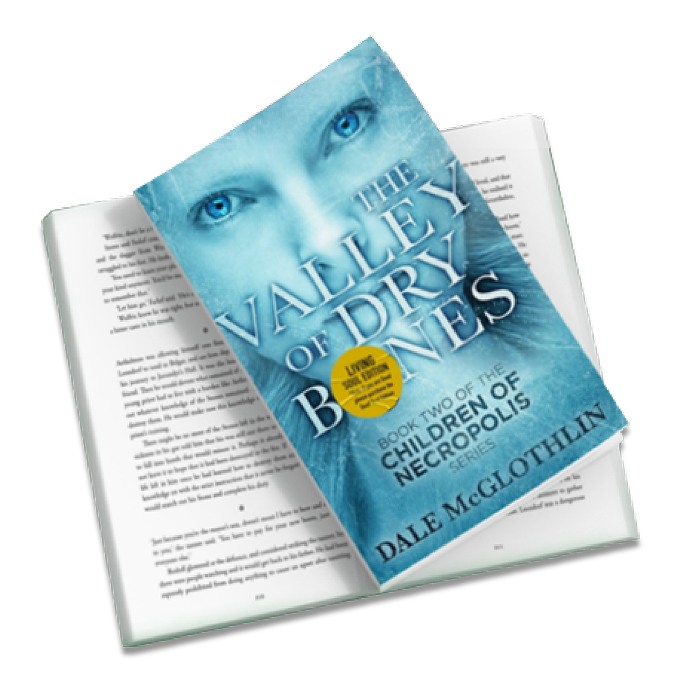
In today’s highly competitive book market, a reader’s decision to click, explore, or purchase often happens within seconds, and the book cover is usually the first—and most powerful—factor influencing that choice. Before a potential reader even glances at the description, reviews, or price, they are already forming opinions about the book’s genre, tone, and quality based solely on its visual presentation.
By 2026, book cover design has evolved far beyond simple aesthetics. It has become a strategic tool that drives engagement, signals professionalism, and captures the right audience. Understanding which design elements resonate with readers—and why they have such a psychological impact—enables authors to craft covers that stand out in a crowded marketplace and communicate credibility at a glance.
This article dives into the key book cover design trends for 2026, explaining how they influence reader perception, boost discoverability, and increase the chances of a purchase across different genres.
Why Covers Are Critical Marketing Tools
A book cover is often the first point of contact between a reader and your work, acting as a silent salesperson. Its impact extends beyond beauty: it signals quality, evokes emotion, and builds expectations. Covers communicate essential information before any words are read.
The Psychological Role of Covers
Readers interpret visual cues subconsciously. A dark, high-contrast cover signals suspense or danger, while soft pastels suggest romance or comfort. Even in nonfiction, a clean, structured design implies professionalism and reliability. In this way, a cover serves as a shortcut for the brain to evaluate a book’s relevance and value.
Covers as Brand-Building Tools
Beyond capturing attention, a cover establishes a recognizable identity across multiple titles. Consistency in color palette, typography, and design style builds author branding and encourages reader loyalty. Strategic covers help the audience instantly recognize your work, even at thumbnail size in digital marketplaces.
Trend 1 – Bold Minimalism
Minimalism has evolved in 2026 into a bold, confident style. Modern minimalist covers rely on a single striking visual element, strong typography, and high contrast. This clarity allows readers to process the cover instantly, even as a small thumbnail.
How Bold Minimalism Communicates Value
By stripping away distractions, minimalist design focuses attention on what matters. For instance, a thriller might use a stark silhouette to evoke suspense, while a nonfiction guide may feature a single geometric icon paired with a bold title to communicate professionalism and clarity. Readers interpret this intentional simplicity as confidence, which encourages trust in the content inside.
Applications Across Genres
Minimalism works for both fiction and nonfiction. Literary novels, contemporary thrillers, self-help guides, and productivity books all benefit from the clean, focused aesthetic that communicates modernity, sophistication, and clarity.
Trend 2 – Retro-Modern Fusion
Retro-modern fusion blends nostalgic design cues with modern digital execution. This trend uses classic typography, muted color palettes, and subtle vintage textures but presents them in contemporary layouts.
Emotional and Visual Appeal
This combination evokes familiarity while feeling current, creating both emotional resonance and visual intrigue. Literary fiction and memoirs benefit from retro cues that add depth, historical novels gain authenticity, and lifestyle or self-help books appear approachable and trustworthy.
Trend 3 – Surreal and Conceptual Designs
Surreal and conceptual covers are becoming more popular as readers seek originality. Using abstract, symbolic, or dreamlike imagery, these covers intrigue audiences and invite deeper exploration.
Why Surreal Designs Sell
In a feed full of literal or generic images, surreal covers stand out instantly. Fantasy novels, literary fiction, and philosophical nonfiction particularly benefit from abstract visuals that hint at thematic depth or imaginative worlds. Readers are drawn to the mystery, encouraging them to engage further with the book.
Trend 4 – Illustrated Characters
Illustration continues to be a strong trend, with a focus on expressive characters that convey personality and emotion. These characters act as visual hooks that immediately connect with the reader.
Benefits Across Genres
In children’s and middle-grade fiction, illustration sparks imagination and curiosity. Young adult novels use expressive characters to convey relatable emotions, while contemporary romance leverages subtle gestures to communicate tension and story tone. Illustrations transform the cover into a storytelling tool, fostering engagement before a single page is read.
Trend 5 – Typography as a Primary Element
Typography has become a visual storytelling device. Bold, dynamic type can interact with imagery or stand alone as the main visual focus.
How Typography Enhances Covers
Expressive type can reflect mood, tension, or energy. Nonfiction books, particularly in business, self-help, and motivational categories, use typography to communicate authority, clarity, and inspiration. Fiction works employ creative type layouts to evoke emotion and intrigue, ensuring the cover remains readable even as a small digital thumbnail.
Trend 6 – Organic Textures
Despite a digital-first reading environment, readers respond strongly to subtle tactile cues. Organic textures, like paper grain, brush strokes, or fabric-like details, evoke craftsmanship and authenticity.
Applications
Lifestyle, wellness, DIY, and craft books particularly benefit from textured elements. These details subtly suggest quality and care, enhancing perceived value without overwhelming the visual presentation.
Trend 7 – Strategic Use of Color
Color plays a critical role in communicating genre and evoking emotion. In 2026, designers choose palettes deliberately, aligning hues with the story or content.
| Genre | Color Palette | Emotional Effect |
| Romance | Pastels, blush, soft lavender | Warmth, intimacy, connection |
| Thriller | Black, red, metallics | Suspense, urgency, danger |
| Fantasy | Jewel tones, deep purples, gold | Magic, wonder, epic scale |
| Self-Help | Bright, uplifting shades | Positivity, energy, inspiration |
| Literary Fiction | Muted earth tones, subtle shades | Sophistication, reflection, depth |
Colors help readers instantly identify genre and set emotional expectations before they even read the title.
Transforming Covers With Trends
To illustrate the practical effect of these trends, the following table compares a traditional cover to a redesigned version using 2026 trends:
| Aspect | Traditional Cover | Trend-Driven 2026 Cover | Key Difference |
| Typography | Small serif, cramped | Bold, integrated, readable | Enhanced readability and hierarchy |
| Imagery | Generic stock photo | Conceptual illustration or single focal element | Sparks curiosity, communicates tone |
| Color | Standard palette | Genre-specific, intentional | Emotional resonance and recognition |
| Texture | Flat digital image | Subtle organic texture | Adds authenticity and perceived value |
| Overall Impact | Blends in | Eye-catching, genre-appropriate | Higher engagement and click-through |
This example shows that applying trends like bold minimalism, dynamic typography, and strategic color does more than modernize a cover—it actively influences reader behavior and sales.
FAQ – Book Cover Trends
Q: Do I need to follow every trend?
A: No. Trends are tools, not rules. Authors should adopt elements that fit their genre, story, and audience while keeping originality.
Q: Are illustrated covers still relevant?
A: Absolutely. Expressive, personality-driven illustration performs well, especially in children’s, YA, and romance.
Q: How important is digital optimization?
A: Extremely. Covers must remain readable and visually compelling even as small thumbnails.
Q: Can typography alone sell a book?
A: Yes. Expressive typography can create impact without imagery, especially in nonfiction or motivational genres.
Q: How should authors choose colors?
A: Consider genre expectations and emotional impact. Strategic color increases clicks and sets reader expectations effectively.
Conclusion
In 2026, book cover design is a blend of art, marketing, and psychology. Trends like bold minimalism, retro-modern fusion, surreal visuals, expressive illustration, dynamic typography, organic textures, and intentional color choice all enhance discoverability, engagement, and perceived value.
A cover is no longer just decoration; it’s a powerful marketing asset. Applying these trends thoughtfully helps authors stand out, attract the right audience, and maximize sales in an increasingly competitive marketplace.