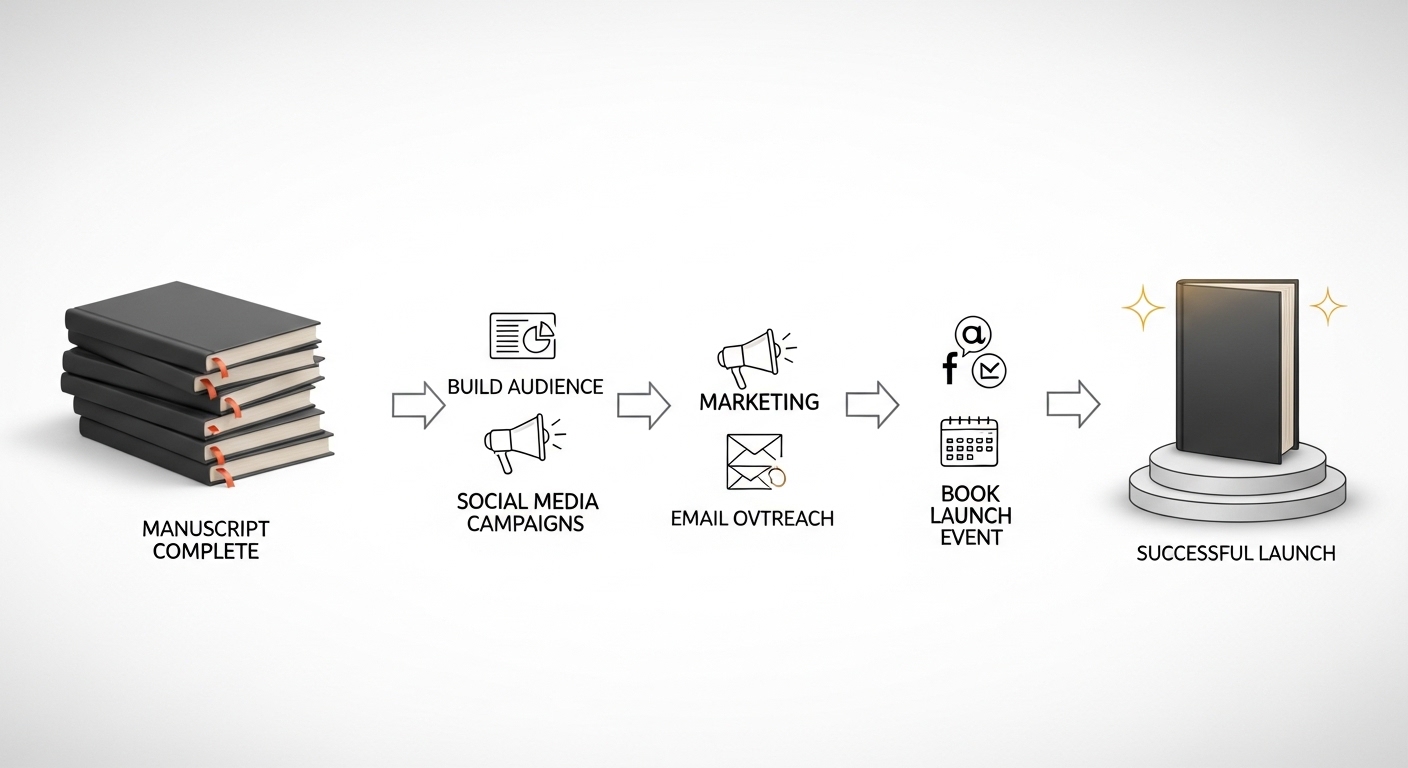
Publishing your first book is an exciting milestone, a culmination of months or even years of effort. But for many first-time authors, the thrill of finishing a manuscript quickly meets the reality that writing is only half the battle. In today’s self-publishing world, your success is defined not only by the quality of your book but by your ability to market it effectively.
In 2025, self-publishing is more accessible than ever. Digital distribution, global marketplaces, audiobooks, and print-on-demand services give authors tools that once required a traditional publisher. Yet, with accessibility comes competition. Thousands of new titles are released daily, which means a great book alone isn’t enough—you need a strategic plan to help your work reach its audience.
This guide is designed to help first-time self-publishers build a marketing plan that actually works, from pre-launch strategies to long-term growth, including practical tips, examples, and actionable insights to maximize your book’s visibility and impact.
Laying the Foundation for Your Marketing Plan
A strong marketing plan begins with clarity. Before diving into tactics, it’s essential to understand your goals, audience, and unique value proposition. These foundational elements guide every decision you make, ensuring your efforts are focused and effective.
Defining Your Goals as an Author
Every marketing strategy begins with clear objectives. What does success look like for your book? Are you aiming for immediate sales, building a loyal readership, establishing authority in a niche, or creating a platform for future works? Your goals will shape your messaging, channels, and tactics.
For instance, if your goal is long-term brand building, pre-launch content like free chapters or behind-the-scenes insights can cultivate a dedicated readership. If immediate sales are your focus, then promotional campaigns, pre-order offers, and launch events take priority. Setting realistic expectations is also crucial. First-time authors rarely achieve overnight bestseller status, but strategic, consistent effort can build momentum over months and years.
Understanding Your Audience
A book without a clear audience is like a message in a bottle—it might eventually reach someone, but success becomes a matter of luck rather than strategy. Knowing who your ideal readers are allows you to tailor messaging, design, and promotions to resonate directly with the people most likely to engage.
To create your reader persona, consider the following:
- Demographics: Age, location, gender, and education level.
- Interests and hobbies: What topics, communities, or genres do they engage with?
- Reading habits: Do they prefer e-books, print, audiobooks, or a combination?
- Challenges and goals: What problems does your book help solve or what desires does it fulfill?
Visualizing your readers through personas helps ensure that every marketing decision—from book cover design to social media messaging—is aligned with their preferences and needs.
Crafting Your Unique Selling Proposition (USP)
Your Unique Selling Proposition (USP) is what makes your book stand out. It answers the question: why should someone choose your book over others in the same genre or niche? A strong USP clarifies your value, highlights what makes your content unique, and provides a consistent message for all marketing channels.
For non-fiction authors, the USP might focus on actionable insights, specialized knowledge, or a fresh approach to a common problem. Fiction writers might emphasize a compelling narrative, originality, or emotionally resonant characters. Once defined, your USP becomes the guiding principle behind your cover, blurb, website, and promotional materials.
Pre-Launch Strategies That Build Anticipation
Marketing starts long before your book hits the shelves. Pre-launch strategies create excitement, attract early followers, and set the stage for a successful launch.
Generating Buzz Before Your Release
Sharing behind-the-scenes content is a powerful way to engage readers. Documenting your writing process, sharing excerpts, or teasing your book’s themes helps potential readers feel involved in your journey. People are naturally drawn to stories, and allowing readers to see your creative process makes them invested in the outcome.
You can also engage readers by offering interactive content, such as quizzes, polls, or sneak peeks that encourage participation. These small touches create personal connections, making your audience more likely to share your book with their networks when it launches.
Building an Email List
Email remains one of the most reliable tools for book marketing. Unlike social media, email allows you to communicate directly with readers without worrying about algorithm changes. Offering a free chapter, behind-the-scenes insights, or a mini-guide in exchange for sign-ups is an effective way to grow your list.
A well-maintained email list can become your core marketing asset, allowing you to:
- Notify subscribers about your book launch and promotions.
- Share exclusive content to maintain engagement.
- Collect feedback from early readers.
Investing time in building a responsive email list before your launch creates a ready audience eager to support your work.
Launch Strategies to Create Momentum
A coordinated launch strategy is key to maximizing visibility, generating reviews, and establishing credibility. The launch period sets the tone for your book’s performance in the months and years that follow.
Coordinated Release Efforts
A soft launch can help you gather early feedback and reviews from friends, family, or trusted readers. Early input ensures your messaging resonates and provides testimonials that can be leveraged during the public launch.
When you open your book to a broader audience, consistent messaging across all channels—social media, email, blogs, and communities—is essential. Aligning your launch content ensures that readers encounter a unified narrative about your book’s value and relevance.
Leveraging Promotions
Promotions like limited-time pricing, discounts, or bundled offers can drive early sales and encourage readers to spread the word. These strategies create a sense of urgency, attract attention, and often result in higher initial visibility in marketplaces. Coordinating promotions with email campaigns or social media posts maximizes their impact.
Gathering Early Reviews
Reviews are one of the most influential factors in a book’s success. Early reviews provide social proof, increase credibility, and influence purchasing decisions. Encourage readers to leave honest feedback and engage respectfully with their responses. Positive reviews can be highlighted in your marketing materials, while constructive criticism can guide future projects and improve credibility with your audience.
Post-Launch Marketing and Long-Term Growth
Publishing your book is not the end—it’s a starting point for ongoing marketing. Sustained engagement keeps your book visible and builds a foundation for future releases.
Continuous Engagement
Keeping your readers engaged after launch is critical. Share content regularly through newsletters, blog posts, or social media updates. Behind-the-scenes insights, updates on upcoming projects, or interactive content like Q&A sessions keep readers invested and maintain interest in your book.
Expanding Your Catalog
Publishing additional works, companion guides, or related content strengthens your brand and increases discoverability. Each new release drives attention back to your previous books, creating a compounding effect that grows your audience and revenue over time.
Monitoring and Optimizing Your Marketing
Marketing is iterative. Track metrics such as sales data, website traffic, email engagement, and social media activity to evaluate what works. Use these insights to refine your strategy, experiment with new tactics, and focus on high-impact efforts. Over time, consistent monitoring and adjustment lead to significant improvements in performance and reach.
Leveraging Reviews and Social Proof
Reviews are a powerful marketing tool that can significantly impact your book’s success. They provide credibility, influence purchasing decisions, and enhance discoverability in marketplaces.
Engage with readers who leave reviews respectfully. Responding to feedback, sharing testimonials, and highlighting positive comments on social media or your website strengthens your connection with your audience. Constructive criticism can inform your marketing and writing, while strong positive reviews act as a powerful endorsement for potential readers.
FAQ for First-Time Self-Publishers
Do I need a large marketing budget?
Not at all. Strategic planning, creativity, and consistent engagement often outweigh a high budget. Organic promotion and low-cost tools can be highly effective for first-time authors.
How important are book reviews?
Reviews are essential. They build credibility, improve discoverability, and influence purchase decisions. Encouraging honest feedback and engaging with reviewers respectfully is key.
Should I publish digitally or in print first?
Both formats offer unique advantages. Digital books allow faster distribution, while print adds credibility and tactile appeal. Choosing both strategically is often the best approach.
How long should marketing continue after launch?
Marketing is ongoing. Maintaining visibility through email campaigns, content updates, and community engagement ensures long-term success.
Can I market a book without a pre-existing audience?
Yes. SEO, content marketing, and strategic promotion can help you build awareness from scratch, though having an initial audience can accelerate traction.
Final Thoughts
Marketing your first book is as crucial as writing it. A well-structured marketing plan—built around clear goals, a defined audience, a strong USP, and a combination of pre-launch, launch, and post-launch strategies—can transform your book into a long-term success.
In 2025, self-publishing requires creativity, strategy, and consistency. Done well, your book becomes more than a single achievement—it lays the foundation for sustained growth, an engaged readership, and credibility as an author. Start early, execute deliberately, and your first book can open doors for future projects and continued success.