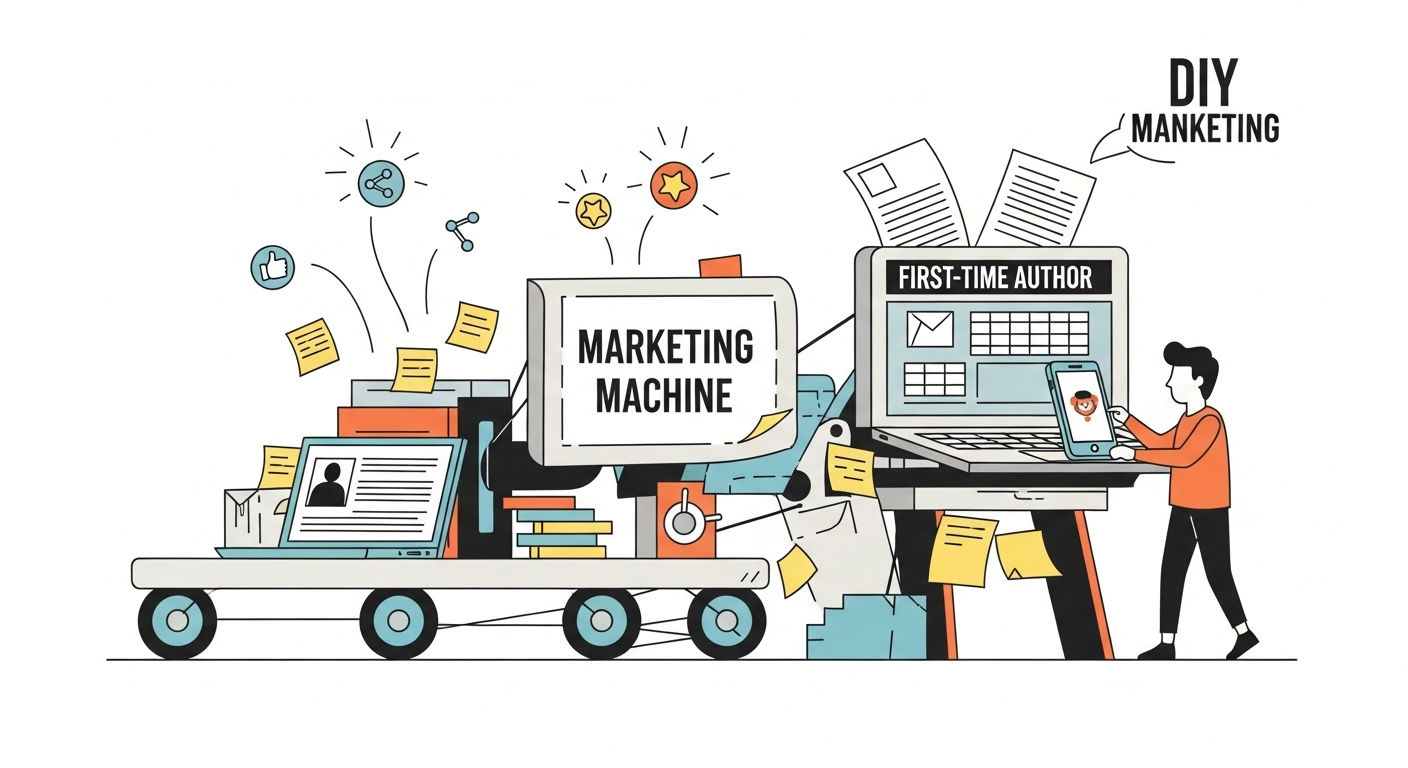
Breaking into the publishing world as a first-time author can feel like stepping into a crowded marketplace where everyone seems louder, more experienced, and better funded. Marketing often appears to be the biggest barrier—especially when you’re working with a limited budget. Many aspiring writers assume that without paid promotions, their book will go unnoticed, which leads to hesitation or even abandoning their publishing goals altogether.
But here’s the reality many successful indie authors eventually discover: effective book marketing isn’t about how much money you spend—it’s about how strategically you use what you have. Time, creativity, and consistency often outperform large budgets when used correctly. If you’re wondering how to market your book on a shoestring budget and still gain visibility, readers, and traction, this guide will walk you through practical, proven methods that don’t require deep pockets. Instead, they rely on clarity, positioning, and genuine reader connection.
Understanding the Core of Book Marketing
Before diving into tactics, it’s important to shift your mindset. Book marketing for beginners isn’t about selling—it’s about building relationships, trust, and visibility over time. Readers don’t just buy books; they buy into authors, their voice, and the emotional experience they promise.
When you operate on a small budget, your greatest assets are not tools or ads—they are your perspective, your message, and your ability to resonate with a specific audience. That’s where long-term success begins. This means your marketing strategy should focus less on paid exposure and more on organic growth, positioning, and audience engagement. The more you understand your reader’s expectations, the easier it becomes to reach them without spending heavily.
Build an Author Brand Without Spending Money
Your author brand is the foundation of all your marketing efforts. It defines how readers perceive you and what they expect from your work over time. A strong brand builds familiarity, and familiarity builds trust—which is essential for converting casual readers into loyal fans.
Instead of thinking of branding as something expensive or corporate, think of it as consistency in communication and identity. Your tone, themes, and storytelling style should feel recognizable wherever readers encounter you. Start by identifying your niche, your message, and the emotional tone of your writing. Are you inspiring, dramatic, educational, or entertaining? Once defined, reflect this consistently across your content, descriptions, and interactions. Over time, this cohesion becomes your competitive advantage.
Leverage Content Marketing to Attract Readers
Content marketing is one of the most powerful low-cost book marketing strategies available to first-time authors. Rather than directly promoting your book, you create meaningful, engaging content that attracts readers naturally and builds interest in your work over time. This strategy works particularly well because it aligns with reader behavior. People prefer discovering value first before making a purchase decision. When your content educates, entertains, or resonates emotionally, it builds trust without pressure.
If you’ve written a nonfiction book, share actionable insights related to your topic. If your book is fiction, create content around themes, characters, or storytelling elements. This approach not only increases visibility but also positions you as an authority or storyteller worth following.
What Kind of Content Works Best?
You don’t need to create everything. Focus on formats that align with your strengths and schedule. Consistency matters more than complexity, especially when you’re managing everything on your own.
- Short storytelling posts that reflect your writing style
- Insights or lessons connected to your book’s themes
- Behind-the-scenes writing experiences
- Personal reflections that build emotional connection
Over time, this type of content builds a bridge between you and your audience, making your book feel like a natural extension of your voice rather than a product being pushed.
Tap Into the Power of Storytelling in Marketing
As an author, storytelling is your greatest strength—and it shouldn’t be limited to the pages of your book. In fact, your marketing becomes far more effective when it feels like an extension of your storytelling ability. Instead of relying on direct promotion, share the journey behind your book. Talk about the struggles, breakthroughs, and moments of inspiration that shaped your writing process. These narratives humanize you and make your work more relatable.
Readers connect deeply with authenticity. When they understand your “why,” they become emotionally invested in your success. That emotional investment often translates into support, recommendations, and long-term loyalty—something no paid campaign can easily replicate.
Build an Email List Early (Even If It’s Small)
Email marketing for authors remains one of the most reliable and cost-effective strategies, especially for those working with limited resources. Unlike other channels, your email list is an asset you fully control, making it a powerful long-term tool. At the beginning, your list may only include a handful of subscribers—but don’t underestimate its value. A small, engaged audience is far more impactful than a large, passive one.
Offer something meaningful in exchange for joining, such as a bonus chapter, exclusive content, or insights into your writing process. More importantly, focus on building trust through consistent and valuable communication. When your audience feels connected, they are far more likely to support your book when it launches.
Collaborate With Other Authors
One of the most overlooked yet powerful strategies in low-budget book marketing is collaboration. Many first-time authors operate in isolation, but connecting with others in your niche can dramatically expand your reach.
Instead of viewing other writers as competition, see them as partners in growth. Their audience could easily become your audience if your content aligns.
Collaboration doesn’t have to be complex. It can be as simple as sharing each other’s work, discussing common themes, or supporting one another’s launches. These partnerships create mutual exposure and help build credibility within your niche.
Use Social Platforms Strategically (Not Randomly)
Social media for authors can quickly become overwhelming if approached without a clear strategy. Many writers make the mistake of trying to be everywhere at once, which leads to burnout and inconsistent results. A more effective approach is to focus on one or two platforms where your target audience is most active. This allows you to build deeper engagement rather than spreading your efforts too thin.
Your content should balance value and personality. Share insights, stories, and reflections that align with your book while occasionally introducing promotional elements. Over time, this creates a natural flow that keeps your audience engaged without feeling overwhelmed by sales messaging.
Optimize Your Book Description for Discoverability
Your book description is one of the most critical elements of your marketing strategy, yet it is often overlooked. It serves as your primary conversion tool, influencing whether a reader decides to explore further or move on.
A well-crafted description should immediately capture attention, clearly communicate the premise, and evoke curiosity. It should also highlight the emotional or practical value the reader will gain. Small improvements—such as refining your opening hook or strengthening your closing line—can significantly impact your results. Think of it as a silent salesperson working for you at all times.
Example Structure
| Section | Purpose |
| Opening Hook | Capture attention instantly |
| Core Conflict | Clarify the main idea or storyline |
| Emotional Appeal | Connect with the reader’s feelings |
| Call to Curiosity | Encourage further exploration |
Encourage Word-of-Mouth Marketing
Word-of-mouth remains one of the most powerful and cost-effective book promotion strategies. When readers genuinely enjoy your work, they naturally want to share it with others.
Your role is to create an experience worth talking about. This means focusing not just on writing a good book, but on creating a memorable one that sparks conversation. Engage with readers who reach out, acknowledge their feedback, and make them feel valued. These small actions can turn casual readers into enthusiastic advocates who promote your work organically.
Utilize Reader Communities and Forums
Reader communities offer a unique opportunity to connect directly with your target audience without spending money. These spaces are often filled with engaged individuals actively looking for recommendations, discussions, and new ideas.
The key is to participate authentically. Instead of promoting your book immediately, contribute meaningful insights, share experiences, and engage in discussions. Over time, your presence builds credibility and curiosity. When readers perceive you as a genuine contributor rather than a marketer, they are far more likely to explore your work voluntarily.
Run Strategic Giveaways (Without Overspending)
Giveaways can be an effective way to generate attention and engagement, even on a limited budget. The key is to approach them strategically rather than randomly. Instead of giving away large quantities, focus on creating a sense of exclusivity. Even a small number of copies can create excitement if positioned correctly. Tie your giveaways to engagement activities, such as discussions or participation. This not only increases visibility but also strengthens your connection with potential readers.
Focus on Long-Term Visibility, Not Instant Results
One of the biggest misconceptions about book marketing is the expectation of immediate success. In reality, building visibility takes time, especially when you’re relying on organic methods. Rather than chasing quick wins, focus on consistency. Every piece of content, every interaction, and every effort contributes to your long-term growth. Over time, these efforts compound, creating a strong foundation that continues to generate results long after your book is published.
Track What Works and Refine Your Strategy
Even without financial investment, your time and energy are valuable resources. That’s why it’s essential to track what’s working and refine your approach accordingly. Pay attention to engagement patterns, audience responses, and content performance. These insights help you understand what resonates and what doesn’t. Marketing is not a one-time effort—it’s an evolving process. The more you adapt and refine your strategy, the more effective your efforts become over time.
The Mindset That Separates Successful Authors
Success in book marketing for beginners ultimately comes down to mindset. Authors who succeed on limited budgets are those who remain consistent, adaptable, and focused on long-term growth. They don’t rely on shortcuts or instant results. Instead, they build relationships, refine their approach, and continue showing up even when progress feels slow. This persistence, combined with authenticity, creates a powerful advantage that goes far beyond financial investment.
Frequently Asked Questions (FAQ)
How can first-time authors market their books with no budget?
Focus on organic strategies like content marketing, storytelling, collaboration, and email list building. These methods rely on consistency and creativity rather than money.
Is social media necessary for book marketing?
It’s not mandatory, but it significantly enhances visibility and reader engagement when used strategically and consistently.
How long does it take to see results?
Most authors begin seeing traction after several months of consistent effort. Long-term commitment is key.
What is the best low-cost strategy?
Content marketing combined with audience building is one of the most effective approaches for sustainable growth.
Can a book succeed without paid ads?
Yes, many authors succeed through organic reach, strong storytelling, and reader engagement alone.
Final Thoughts
Marketing your first book on a shoestring budget isn’t about limitations—it’s about leverage. When you focus on connection, consistency, and authenticity, you create something far more valuable than paid exposure.
Every effort you make contributes to your growth. Over time, those efforts build momentum, helping your book reach the audience it deserves—without requiring a large financial investment.