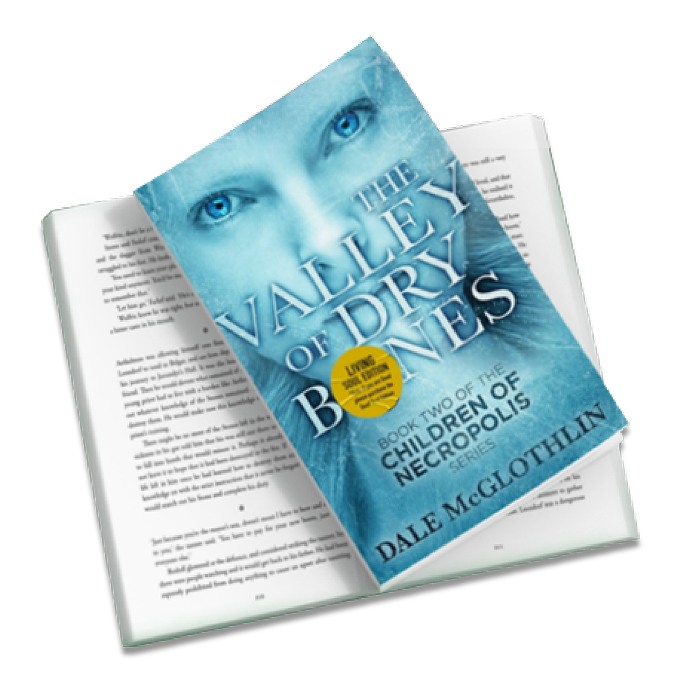
Your book cover is often the first—and sometimes only—chance to grab a reader’s attention. A beautiful design alone isn’t enough; it has to speak to the right audience, convey your story’s tone, and make someone stop scrolling or pick your book off the shelf. That’s why a clear, well-thought-out design brief is essential. Think of it as your roadmap: it tells the designer what to focus on, what to avoid, and how to translate your vision into a cover that sells. Without it, even the most talented designer can struggle to capture your book’s essence, leading to frustration, delays, and revisions.
A strong brief doesn’t just share your ideas—it guides the book designer toward making decisions that will make your book stand out in a crowded market. It’s not about controlling every pixel; it’s about communicating clearly so creativity has direction.
What a Book Cover Design Brief Really Does
A design brief is more than a list of preferences—it’s a roadmap. It translates your story, audience, and market positioning into visual direction. Instead of saying “make it look nice,” you’re giving the designer clarity on what the cover needs to achieve.
A good brief answers three key questions:
- What is the book about?
- Who is it for?
- How should it feel at first glance?
When these are clear, design decisions become faster and more intentional.
Key Elements Every Author Must Include
1. Book Details
Start with the basics, but be precise.
Include your book title, subtitle (if any), author name, and series information. Also mention trim size, format (ebook, paperback, hardcover), and platform (Amazon KDP, IngramSpark, etc.).
2. Genre and Target Audience
This is critical for visual direction. A thriller, romance, or self-help book each has distinct design expectations. Define your audience clearly—age group, interests, and reading habits.
3. Book Summary (Short, Not the Blurb)
Provide a concise summary of the story or concept. Focus on the core idea, not every detail. Designers need clarity, not overload.
4. Tone and Mood
Describe how the book should feel. Words like dark, uplifting, mysterious, playful, or inspirational help shape visual decisions like color, typography, and imagery.
5. Visual References (Very Important)
Share 3–5 cover examples you like—and explain why. This is where most authors go wrong. Don’t just send images; highlight what appeals to you (fonts, colors, layout, mood).
6. Do’s and Don’ts
Be clear about preferences and restrictions. Mention elements you want included—or avoided.
7. Competitor Covers
Show books in your genre. This helps designers understand market trends and avoid creating something that feels out of place.
Where Most Author Briefs Go Off Track (And Why Designers Struggle)
A lot of design briefs don’t fail because authors don’t care—they fail because the intent isn’t translated clearly into direction. There’s often a gap between what an author imagines and what a designer can realistically interpret from the brief. When that gap isn’t addressed, the process turns into endless revisions, frustration, and a cover that never quite feels “right.”
One common pattern is when authors try to pour the entire story into the brief, thinking more detail will lead to better results. In reality, this overwhelms the designer and blurs the core idea. What designers actually need is clarity—what the book is about at its heart, not every subplot or character arc.
On the other end, some briefs are too vague to be useful. Phrases like “make it eye-catching” or “I’ll know it when I see it” might sound harmless, but they leave too much open to interpretation. Without clear visual direction, the designer is essentially guessing—and that guesswork often leads to results that miss the mark.
Here’s where things typically start to break down:
- The brief focuses on storytelling instead of positioning (what the cover needs to communicate at a glance)
- References are shared without context, leaving the designer unsure what to extract from them
- The target audience isn’t clearly defined, making it harder to align with genre expectations
- Feedback becomes subjective rather than actionable, slowing down revisions
- Every small detail is controlled, limiting the designer’s ability to apply creative expertise
At its core, a strong brief isn’t about saying more—it’s about saying the right things. The goal is to give your designer a clear direction while still leaving room for professional interpretation. When that balance is right, the entire process becomes smoother, faster, and far more effective.
Book Cover Design Brief Template (Copy & Use)
BOOK COVER DESIGN BRIEF
1. Book Title:
[Enter title]
2. Subtitle (if any):
[Enter subtitle]
3. Author Name:
[Enter name]
4. Genre:
[e.g., Romance, Thriller, Self-help]
5. Target Audience:
[Who is this book for? Age, interests, etc.]
6. Book Summary (2–4 lines):
[Short, clear overview of the story or concept]
7. Tone / Mood:
[e.g., dark, emotional, humorous, inspirational]
8. Visual Style Preferences:
[Minimal, bold, illustrated, photographic, etc.]
9. Reference Covers (with notes):
[Link examples + what you like about them]
10. Key Elements to Include:
[Symbols, objects, characters, etc.]
11. Elements to Avoid:
[Anything you don’t want on the cover]
12. Format & Platform:
[eBook, paperback, hardcover + platform]
13. Additional Notes:
[Any extra instructions or ideas]
How to Communicate Effectively With Your Designer
A great brief is just the starting point—communication matters just as much. Be clear, respectful, and open to professional input. Designers understand visual hierarchy, typography, and market trends in ways most authors don’t.
Instead of giving vague feedback like “I don’t like it,” try the following:
- “The title doesn’t stand out enough.”
- “The colors feel too bright for the tone.”
- “Can we make it look more aligned with thriller covers?”
This kind of feedback is actionable and speeds up revisions.
Why Author Briefs Often Fail (and How to Fix It)
The problem isn’t that authors don’t know what they want—it’s that most briefs focus on the wrong things. Designers aren’t mind readers, but they are experts in translating mood, audience, and market trends into visuals. The briefs that fail usually fall into one of these patterns:
- Focusing on story instead of signal: Authors sometimes give a 500-word plot summary, but designers don’t need every twist—they need to know what feeling, tone, or hook the cover should communicate.
- Assuming “good taste” is universal: A reference cover you like might work for you—but is it appealing to your target audience? Without context, designers can’t align visuals with the market.
- Over-specifying or under-specifying: Micromanaging colors, fonts, and character details can stifle creativity, while vague instructions like “make it look cool” leave the designer guessing.
- Ignoring practical realities: Covers need to work at thumbnail size, across formats, and in genre conventions. A brief that doesn’t address format and audience risks a design that looks amazing on your computer screen but fails in the marketplace.
The fix: treat the brief as a conversation, not a script. Highlight what matters most—the feeling, tone, and audience—and give designers the room to turn those signals into a cover that actually sells. The clearer your priorities, the faster you get a cover that works.
Final Thoughts: Clarity Leads to Better Design
Briefing a book cover designer is not about controlling creativity—it’s about providing direction. The clearer your brief, the stronger the outcome. When both author and designer are aligned on vision, audience, and expectations, the final cover isn’t just visually appealing—it becomes a powerful marketing tool that attracts the right readers instantly.
FAQs
What is a book cover design brief?
It’s a document that outlines your book’s details, audience, and visual direction to guide the designer.
How detailed should my brief be?
Clear and focused—enough to guide decisions, but not so much that it overwhelms or restricts creativity.
Should I include reference covers?
Yes, but always explain what you like about them.
Can I change my brief later?
You can, but major changes may lead to delays or additional costs.
Do designers need the full manuscript?
Usually no—a concise summary is enough unless specific scenes or elements are required.