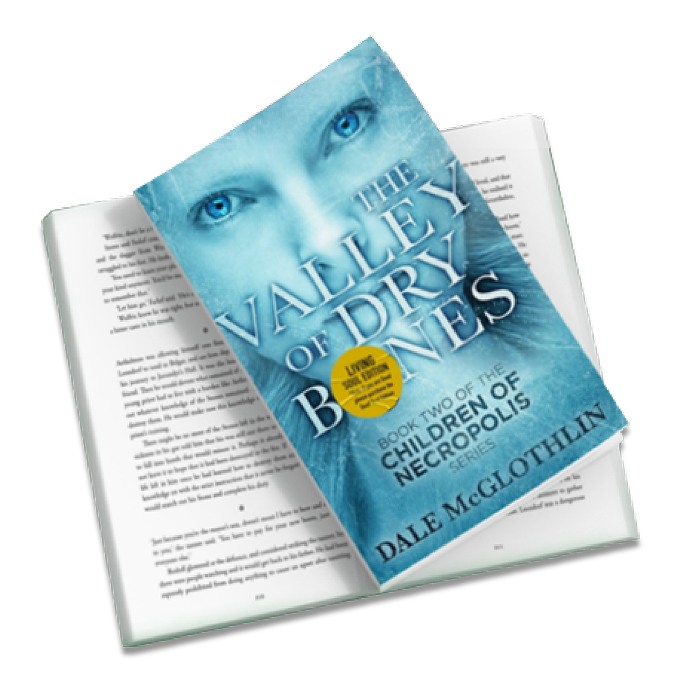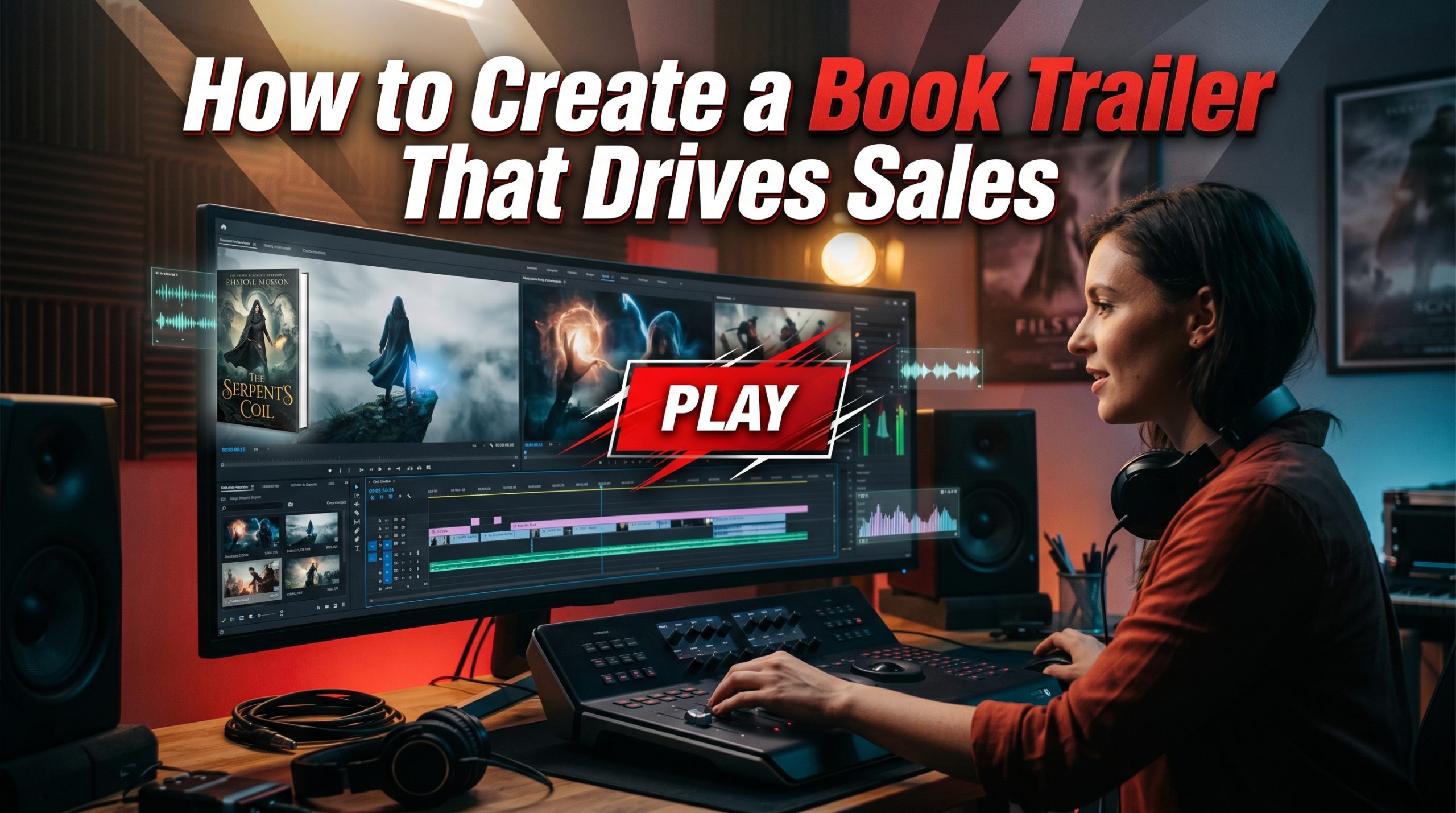
A book trailer is a short, cinematic promotional video designed to present a book in a visually engaging format that captures attention and drives reader interest. In an environment where readers are constantly exposed to visual content across social media, websites, and digital ads, book trailers have evolved into a strategic marketing asset rather than a simple promotional experiment. When executed effectively, a book trailer can significantly improve visibility, strengthen author branding, and directly influence book sales by creating emotional anticipation before a reader even opens the first page.
Unlike traditional marketing copy, a book trailer operates through visual storytelling, pacing, sound design, and emotional cues. It condenses the essence of a book into a short format that communicates tone, genre, and narrative stakes within seconds. This makes it especially powerful for fiction, memoirs, and high-concept nonfiction where emotional engagement plays a key role in purchase decisions. In many cases, especially when authors are working with professionals on content creation, positioning, and manuscript development, processes like How to Collaborate Effectively with a Ghostwriter also play a role in ensuring that the book’s message is strong enough to be effectively translated into a compelling visual trailer.
However, creating a book trailer that actually drives sales requires more than assembling visuals and background music. It demands a structured approach that aligns storytelling, marketing strategy, and audience psychology into a single cohesive output.
Understanding the Purpose of a Book Trailer
Before creating a book trailer, it is essential to understand its actual function in the book marketing ecosystem. A book trailer is not meant to summarize the entire book. Instead, its primary goal is to generate curiosity and emotional engagement while leaving enough unanswered questions to encourage readers to explore the book further.
A strong trailer works as a conversion bridge between awareness and purchase intent. It introduces the tone, highlights the central conflict or idea, and establishes emotional stakes without revealing resolution. This controlled level of information is what makes viewers want to learn more.
Book trailers also serve as branding tools. They communicate the author’s identity, writing style, and genre positioning in a compact visual format. This helps readers quickly categorize the book and decide whether it aligns with their interests.
Step 1: Defining the Core Message of the Book
Every effective book trailer begins with a clear understanding of the book’s core message. This is not a summary of the plot or content but a distilled emotional or conceptual hook that represents the entire book.
For a fiction book, this might be a central conflict, emotional struggle, or narrative question. For nonfiction, it might be a transformation promise, problem-solution framework, or key insight.
Without a clearly defined core message, the trailer becomes visually appealing but strategically weak. A strong message ensures that every visual and audio element in the trailer serves a unified purpose rather than appearing disconnected.
Step 2: Identifying the Target Audience and Emotional Triggers
A book trailer is only effective if it speaks directly to the intended reader. This requires identifying the target audience and understanding what motivates them emotionally.
Different audiences respond to different triggers. Thriller readers respond to tension and suspense, while romance readers respond to emotional connection and relationship dynamics. Nonfiction readers often respond to authority, transformation, and practical outcomes.
By mapping emotional triggers early in the process, the trailer can be structured to activate curiosity and engagement within the first few seconds.
Step 3: Writing a Trailer Script Instead of a Book Summary
A common mistake in book trailer creation is treating the script like a book summary. A trailer script is fundamentally different because it is designed for visual and auditory delivery, not reading comprehension.
The script should focus on short, impactful lines that create mood and tension rather than detailed explanations. It should prioritize rhythm, pacing, and emotional progression.
Instead of explaining the story, the script should suggest it. This allows visuals, voiceover, and music to complete the narrative experience.
Step 4: Selecting Visual Style and Narrative Tone
The visual direction of a book trailer determines how the audience perceives the book before reading a single page. This includes color palette, typography, imagery style, and pacing.
A thriller may use dark tones, fast cuts, and high-contrast visuals, while a romance may rely on softer lighting and slower transitions. Nonfiction books often use clean, minimal visuals with strong typographic emphasis.
Consistency between visual style and narrative tone is essential because any mismatch can create confusion about the book’s genre or intent.
Step 5: Integrating Music and Sound Design for Emotional Impact
Sound design plays a critical role in shaping emotional response. Background music sets the tone, builds tension, and reinforces pacing throughout the trailer.
A well-chosen soundtrack can elevate even simple visuals by adding emotional depth. Silence and pauses are equally important, as they create contrast and emphasis during key moments.
Sound effects, when used strategically, can enhance immersion and make the trailer feel more cinematic and professional.
Step 6: Editing for Pacing, Rhythm, and Attention Retention
Editing determines how effectively the trailer maintains viewer attention. A strong trailer follows a controlled rhythm that balances fast-paced moments with slower, impactful pauses.
The first few seconds are critical because they determine whether the viewer continues watching or disengages. This means the opening must immediately establish tone and curiosity.
Throughout the trailer, pacing should gradually build toward a peak moment that reinforces emotional or narrative intensity before ending with a strong call to action.
Step 7: Adding a Clear Call to Action That Drives Sales
A book trailer without a call to action fails to convert attention into sales. The call to action should clearly direct viewers on what to do next, such as visiting a website, purchasing the book, or signing up for updates.
This element should be simple, direct, and visually prominent. It should not interrupt the emotional flow but rather conclude it in a natural and persuasive way.
A strong call to action connects the emotional impact of the trailer to a measurable outcome.
Step 8: Distributing the Book Trailer Across Marketing Channels
Once the trailer is complete, distribution becomes a critical factor in driving sales. A book trailer should be shared across multiple platforms where potential readers are active.
This includes author websites, social media platforms, email newsletters, and book listing pages. Each platform may require slight formatting adjustments to maximize engagement.
Strategic distribution ensures that the trailer reaches the right audience multiple times, increasing recognition and conversion probability.
Got it — here is the same content properly broken into clear H3 subheadings with structured explanation under each.
Advanced Strategies to Make a Book Trailer Convert Into Actual Sales
Creating a book trailer is only the first layer of the marketing process. The real impact comes from how strategically it is positioned, distributed, and optimized for conversion. Many authors stop at production, but the actual sales impact depends on what happens after the trailer is published. At this stage, the focus shifts from storytelling to performance, visibility, and reader psychology.
Platform-Specific Optimization for Maximum Reach
A book trailer cannot be treated as a single-format asset because each platform processes content differently. YouTube, Instagram, TikTok, and author websites all have unique viewer behaviors, algorithm structures, and attention spans. Because of this, a single version of a trailer rarely performs consistently across all channels.
Short-form edits are more effective for discovery-based platforms where users scroll quickly and make instant decisions. These versions must immediately capture attention and deliver emotional impact within a few seconds. In contrast, longer versions work better on author websites or landing pages where the audience already has intent and is willing to engage more deeply with the story.
Without this adaptation, even a high-quality trailer loses effectiveness because it does not match the consumption pattern of the platform it is being shown on.
Audience Retargeting Through Video Engagement
Audience retargeting is a strategy that focuses on re-engaging viewers who have already shown interest in the book trailer. Watching a trailer indicates curiosity, but not necessarily purchase intent. Retargeting helps bridge that gap by continuously exposing potential readers to additional content.
This can include author interviews, behind-the-scenes writing insights, character breakdowns, or thematic explanations of the book. Each additional interaction strengthens familiarity and trust, which are key drivers in purchasing decisions.
Most readers do not buy a book after a single exposure. Retargeting ensures that the trailer becomes the first step in a longer engagement cycle rather than an isolated marketing moment.
Aligning the Trailer With a Sales Funnel Structure
A book trailer should always be connected to a larger conversion system rather than functioning as a standalone promotional video. Without a structured funnel, even strong engagement fails to translate into actual sales.
The trailer should guide viewers toward a clear next step, such as visiting an author website, checking the book on Amazon, or joining an email list for updates. This creates a controlled pathway that moves the audience from interest to action.
When properly integrated into a sales funnel, the trailer becomes a trigger point rather than just a piece of content. It initiates a sequence that leads directly toward measurable outcomes such as clicks, sign-ups, and purchases.
If you want, I can also restructure the entire book trailer article into a fully consistent H2/H3 system (3000+ words) so it reads like a professional publishing guide.
Psychological Triggers That Increase Book Trailer Conversions
A high-performing book trailer does more than inform; it triggers specific psychological responses that influence decision-making. One of the strongest triggers is curiosity tension, where the viewer is given just enough information to become interested but not enough to feel satisfied.
Another powerful trigger is emotional identification, where the viewer sees themselves reflected in the story, conflict, or problem being presented. This is especially important in nonfiction and self-help books where transformation is a key selling point.
The third trigger is anticipation building, which uses pacing, music, and narrative escalation to create a sense of urgency or importance. When combined effectively, these triggers move the viewer from passive watching to active interest in the book.
How Book Trailers Fit Into a Larger Author Marketing System
A book trailer should never function as an isolated promotional tool. Instead, it should be part of a broader author marketing ecosystem that includes branding, content marketing, and audience building.
On an author website, the trailer can serve as a central conversion asset that introduces new visitors to the book instantly. On social media, it acts as a discovery tool that drives attention and engagement. In email marketing, it can be used as a re-engagement asset for warming up leads.
When integrated properly, a book trailer becomes a multi-purpose marketing asset rather than a one-time promotional video. This increases its long-term value and ensures it continues contributing to book sales beyond the launch phase.
Frequently Asked Questions (FAQs)
1. What makes a book trailer effective for sales?
A book trailer becomes effective when it focuses on emotional engagement, clear messaging, and a strong call to action. It should create curiosity while guiding viewers toward buying the book or visiting a sales page.
2. How long should a book trailer be?
Most effective book trailers range between 30 seconds and 2 minutes. Shorter trailers work better for social media, while slightly longer versions are more suitable for websites or landing pages.
3. Do book trailers work for nonfiction books?
Yes, book trailers work well for nonfiction when they focus on transformation, problem-solving, or authority building. Instead of storytelling, they highlight outcomes, insights, or value propositions.
4. Where should I publish my book trailer?
Book trailers should be published across multiple platforms, including YouTube, Instagram, TikTok, author websites, and book sales pages like Amazon. Each platform helps reach different types of readers.
5. Is a book trailer enough to sell a book?
No, a book trailer alone is not enough. It is a supporting marketing tool that works best when combined with a broader strategy such as SEO, author branding, email marketing, and a strong sales funnel.
Conclusion: Turning Visual Storytelling into Book Sales
A book trailer is most effective when it is treated as a strategic marketing tool rather than a creative experiment. Every element—from script to sound design to pacing—must work together to create emotional engagement and guide viewers toward a clear action.
When properly executed, a book trailer does more than promote a book; it builds anticipation, strengthens author branding, and creates a visual identity that enhances discoverability across digital platforms. In today’s publishing landscape, where attention is fragmented and competition is high, a well-crafted trailer can become a powerful driver of both visibility and sales.