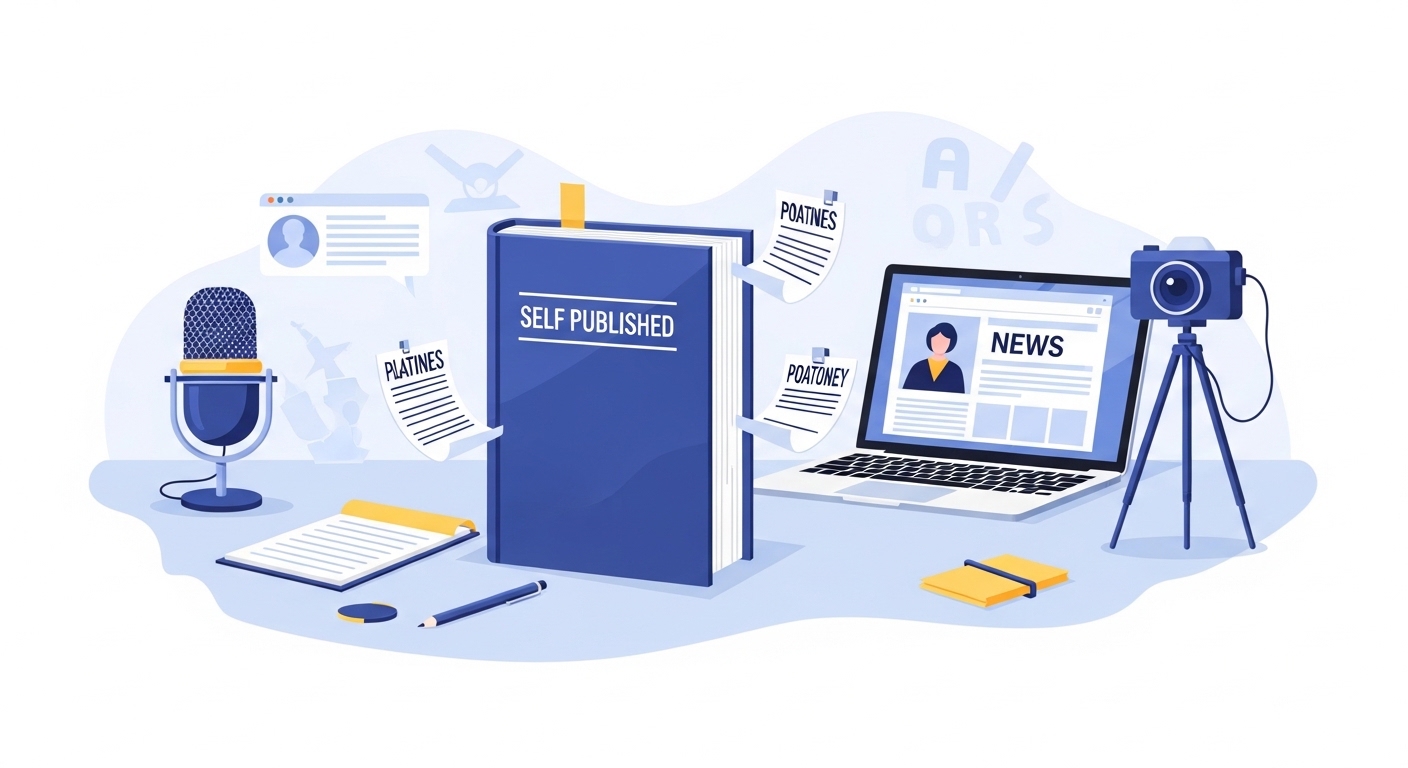
Publishing your book is an achievement—but getting people to notice it is a completely different challenge. In the self-publishing world, visibility often determines success more than quality alone. Media exposure bridges that gap. When your book is featured in podcasts, blogs, or news outlets, it builds credibility and introduces your work to audiences you couldn’t reach on your own. Unlike ads, media coverage feels organic and trustworthy.
To make this happen, you need more than promotion—you need a PR strategy built around storytelling.
Shift Your Mindset: You’re Selling a Story, Not a Book
One of the biggest mistakes self-published authors make is thinking the media exists to promote their books. The truth is, journalists and content creators aren’t interested in products—they’re interested in stories that will resonate with their audiences. Your book should support a compelling narrative. Consider: what inspired you to write it? What unique perspective do you bring? How does your story connect with broader societal trends, human experiences, or cultural conversations?By framing your book as part of a larger story, you move beyond simply selling and start providing value. This mindset makes all the difference in how your pitches are received.
Build an Author Platform That Signals Credibility
Before featuring you, most journalists or hosts will quickly evaluate your online presence. If your platform feels incomplete or inconsistent, it can weaken your pitch.
Your goal is to create a simple but credible foundation.
Key elements include:
- A professional website with clear messaging
- A well-written author bio highlighting your expertise
- Active (not necessarily large) social media profiles
- A dedicated page for your book
You don’t need a massive following. What matters is clarity, consistency, and professionalism. Even a small but engaged audience signals that you’re serious about your work.
Develop a Media Hook That Demands Attention
A book by itself rarely earns coverage. What gets attention is the angle—how your story connects to a broader conversation.
Media outlets typically look for stories that feel relevant and engaging. You can shape your hook by focusing on:
- Timeliness: Connect your book to current trends or events
- Emotion: Highlight personal struggles or transformation
- Expertise: Share insights based on real experience
- Controversy: Challenge common beliefs or norms
For example, instead of presenting:
“A guide to productivity,”
You can frame it as:
“A former burnout victim exposes the hidden dangers of hustle culture.”
The second version gives the media something meaningful to discuss—not just something to promote.
Write a Pitch That Gets Opened and Read
Even a great story can fail if your pitch is weak. Journalists receive dozens of emails daily, so clarity and brevity are essential.
A strong pitch feels sharp and relevant, not promotional.
Your pitch should include:
- A compelling subject line that sparks curiosity
- A personalized opening (avoid generic greetings)
- A clear explanation of your story angle
- A brief mention of your credibility
- A simple call to action (interview, feature, etc.)
At the same time, avoid common pitfalls:
- Writing long, dense paragraphs
- Overhyping your book
- Sending the same message to everyone
Keep your pitch under 200 words and focused on value. If it feels easy to read, it’s more likely to get a response.
Find the Right Media Opportunities
Not all media exposure needs to come from major outlets. In fact, smaller and niche platforms are often more accessible and highly effective. Start by identifying where your ideal audience spends time.
You can explore:
- Podcasts related to your genre or topic
- Niche blogs and online publications
- Local news outlets and community platforms
- Industry-specific websites
Additionally, you can actively look for opportunities through:
- Journalist request platforms
- Social media (especially where reporters post queries)
- Podcast directories
Smaller features often act as stepping stones, helping you build credibility and momentum.
Leverage Podcasts for Fast and Effective Exposure
Podcasts are one of the easiest entry points into media for self-published authors. They are constantly looking for guests and offer a more relaxed format. Unlike traditional media, podcasts allow you to tell your story in depth. This creates a stronger connection with listeners.
Why podcasts are powerful:
- Lower barriers to entry compared to major media
- Opportunity for authentic, long-form conversations
- Builds trust with a targeted audience
When pitching a podcast, keep it simple:
- Explain why you’re a good fit for their audience
- Suggest a few engaging discussion topics
- Focus on storytelling rather than promotion
A single podcast appearance can often lead to more invitations if done well.
Create a Press Kit That Works for You
A press kit acts as your professional package for media contacts. It saves time and makes it easier for others to feature you.
Think of it as a ready-to-use resource.
Your press kit should include:
- A short and long author bio
- A compelling book summary
- High-quality author photos
- Suggested interview questions
- Clear contact details
Keep it clean, digital, and easy to access. When media professionals find everything they need in one place, they are far more likely to feature you.
Use Social Proof to Build Momentum
Media coverage often builds on itself. Once you’ve been featured somewhere, it becomes easier to gain additional exposure.
This is because credibility creates trust.
You can strengthen your social proof by:
- Showcasing reader reviews and testimonials
- Highlighting previous media features
- Sharing endorsements from credible voices
Even small mentions matter. Over time, these signals create a strong impression that you are worth featuring.
Plan Your PR Timing Strategically
PR is not a one-time effort—it works best when spread over time. Many authors focus only on their launch, but sustained visibility is more effective.
A simple timeline can help:
- Before launch: Build anticipation and awareness
- During launch: Maximize exposure and reach
- After launch: Maintain visibility and attract new readers
You can also align your outreach with trends, events, or seasonal topics to increase relevance.
Consistency is more powerful than short bursts of effort.
DIY PR vs Hiring a Publicist
At some point, you may wonder whether to manage PR yourself or hire a professional. Both options have value depending on your goals.
Handling PR yourself allows you to:
- Save money
- Maintain control over your messaging
- Build direct relationships with media
On the other hand, hiring a publicist can:
- Provide access to established media connections
- Save time and effort
- Improve strategic execution
For most self-published authors, starting with DIY PR is practical. As your visibility grows, you can decide if professional support is worth the investment.
Conclusion: Make Your Story Impossible to Ignore
Getting your book featured in the media isn’t about luck—it’s about positioning your story in the right way. When you focus on storytelling instead of selling, build a credible platform, and consistently reach out to the right people, opportunities start to open up. The process takes time, but the impact is lasting. One feature can lead to another, gradually turning your book into something the media—and readers—can’t ignore. Your story already exists. The next step is making sure the world hears it.