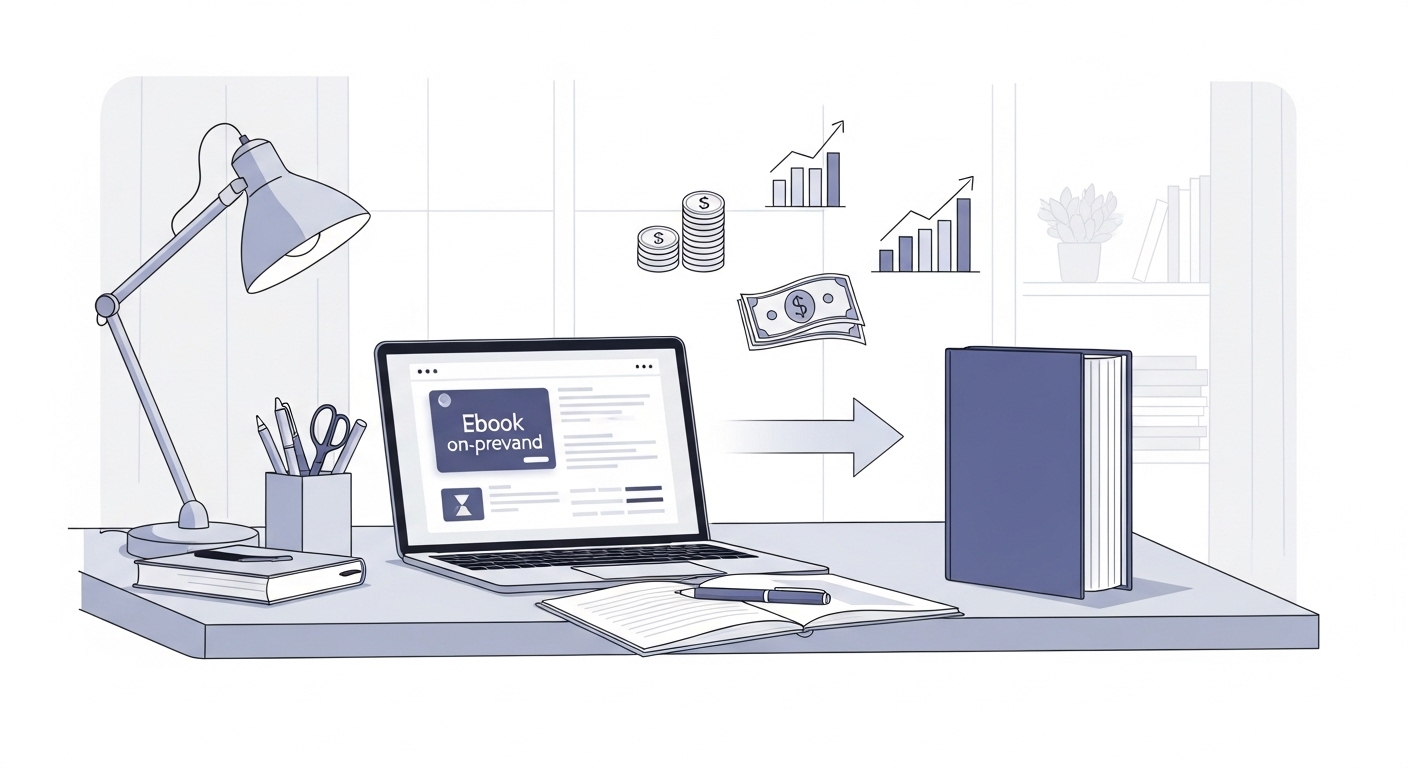
There’s a moment every writer imagines: holding a finished book in their hands, knowing it exists because they brought it to life. But in today’s world, that moment doesn’t have to depend on traditional gatekeepers. Self-publishing has transformed from a last resort into a powerful, independent path—one that allows writers not only to share their stories but to build a reliable source of income from their work.
Still, let’s be honest: writing a book is one thing. Turning it into a sustainable income stream is something else entirely. This guide walks you through the full journey—from idea to income—so you can understand not just how to self-publish a book, but how to make it financially worthwhile in the long run.
Self-publishing is often misunderstood as simply uploading a manuscript and waiting for sales. In reality, it’s closer to running a small business. You are the writer, publisher, marketer, and strategist. The advantage? Full control. You decide your timeline, pricing, branding, and creative direction. The challenge? Every step requires intention.
To turn writing into income, you need to think beyond “publishing a book” and start thinking in terms of:
- Audience building
- Content positioning
- Long-term revenue strategy
Successful authors don’t just write—they build ecosystems around their work.
Writing with Purpose: Creating a Book That Sells
A common mistake is writing a book you want, without considering what readers are actively looking for. That doesn’t mean abandoning creativity—it means aligning it with demand.
Start by asking yourself:
- Who is this book for?
- What problem does it solve or experience does it deliver?
- Why would someone choose this over similar books?
Books that generate consistent income often fall into two categories:
- Evergreen nonfiction (guides, self-help, skills-based content)
- Genre fiction with loyal audiences (romance, mystery, fantasy, thriller)
The key is clarity. Readers should instantly understand what they’re getting.
Balancing Creativity with Market Awareness
You don’t need to chase trends, but you should be aware of them. A strong concept sits at the intersection of:
- Your interest
- Reader demand
- Clear positioning
For example, instead of writing a broad “productivity book,” narrowing it to a specific audience or problem makes it more discoverable and valuable.
Crafting a Professional Manuscript
Publishing quickly is tempting, but quality is what builds income over time. A poorly edited book might generate a few initial sales, but it won’t sustain growth.
Your manuscript should go through multiple stages:
- Drafting without overthinking
- Structural revisions (flow, clarity, pacing)
- Line editing (sentence-level improvement)
- Proofreading (grammar and polish)
Readers today expect professional quality. Even small mistakes can impact reviews—and reviews directly influence sales.
Designing a Book That Attracts Readers
People do judge books by their covers. In a crowded marketplace, your cover is your first impression—and often your most important marketing tool.
A strong cover communicates:
- Genre
- Tone
- Professionalism
It should look similar in quality to other successful books in your category, while still standing out.
Equally important is your book description. This is not a summary—it’s a sales pitch. It should:
- Hook the reader immediately
- Highlight key benefits or emotional payoff
- Create curiosity
Think of it as the bridge between interest and purchase.
Pricing Strategy: The Foundation of Income
Pricing is not just about what your book is “worth”—it’s about what maximizes long-term earnings.
New authors often price too high, limiting discoverability, or too low without a strategy.
Here’s a simple way to think about it:
| Stage | Pricing Approach | Goal |
| Launch | Lower price | Attract initial readers and reviews |
| Growth | Competitive pricing | Build steady sales |
| Established | Value-based pricing | Maximize revenue |
Consistency matters more than perfection. A steady stream of sales—even at a modest price—builds momentum over time.
Building Visibility Without Relying on Luck
One of the biggest myths about self-publishing is that success comes from “going viral.” In reality, reliable income comes from consistent visibility.
Readers need to encounter your book multiple times before buying. That means showing up regularly where your audience spends time.
Focus on:
- Sharing insights related to your book’s topic
- Talking about your writing journey
- Offering value without always selling
Over time, this builds trust—and trust leads to sales.
Developing an Author Platform
An author platform is simply your ability to reach readers directly. Without it, every book launch starts from zero.
You don’t need to be everywhere. Choose one or two channels you enjoy and stay consistent.
A strong platform allows you to:
- Launch books more effectively
- Build a loyal audience
- Generate recurring income
Think of your platform as an asset that grows with every piece of content you create.
Turning One Book into Multiple Income Streams
A single book rarely becomes a reliable income source on its own. The real power lies in expansion.
Once your book is published, consider how it can evolve:
- A guidebook can become a workbook
- A story can become a series
- A topic can expand into multiple related books
This approach increases your visibility and creates multiple entry points for readers.
The Power of a Book Series
Series are one of the most effective ways to build consistent income. When readers enjoy one book, they’re far more likely to buy the next.
Instead of constantly finding new readers, you retain existing ones—making income more predictable.
Leveraging Reviews and Social Proof
Reviews are not just feedback—they’re a critical part of your marketing.
Readers rely heavily on reviews to decide whether a book is worth their time and money.
To encourage reviews:
- Ask readers at the end of your book
- Engage with your audience
- Focus on delivering real value
Even a small number of thoughtful reviews can significantly impact your credibility.
Creating a Long-Term Publishing Strategy
If your goal is to turn writing into income, consistency matters more than perfection.
Publishing one book is an achievement. Publishing regularly is a strategy.
Consider:
- Releasing multiple books over time
- Building a recognizable style or theme
- Maintaining a consistent publishing schedule
The more books you have, the more opportunities readers have to discover you.
Managing Expectations: Income Takes Time
It’s important to be realistic. Most self-published authors don’t earn significant income from their first book.
But those who treat it as a long-term process often see growth.
Income builds through:
- Backlist (your collection of books)
- Audience trust
- Improved skills over time
Instead of asking, “Will this book make money?” ask, “How does this book contribute to my overall growth?”
Building Momentum: What Actually Moves the Needle
Once your book is published, the journey doesn’t slow down—it shifts direction. This phase is where many writers either lose momentum or start building something meaningful. Instead of chasing quick wins, the focus should move toward steady growth and long-term visibility.
Treat Your Book as a Long-Term Asset
Your book isn’t just a finished product—it’s something that can continue working for you over time. Rather than constantly moving on to the next idea, take time to strengthen what you’ve already created.
You can do this by:
- Refining your book description to make it more compelling
- Updating your presentation as you learn what resonates with readers
- Repositioning your content to better match audience expectations
Small improvements, when done consistently, can significantly impact how your book performs.
Focus on Connection Over Promotion
One of the biggest mindset shifts is understanding that constant selling isn’t necessary. Readers respond far more to connection than to direct promotion.
Instead of pushing your book, focus on:
- Sharing the story behind why you wrote it
- Talking about the ideas or insights within it
- Engaging with readers in a natural, conversational way
When people feel connected to you or your message, buying your book becomes a natural next step—not a forced decision.
Build Consistency, Not Intensity
It’s easy to feel like you need to do everything at once, especially in the beginning. But sustainable success comes from consistency, not bursts of effort.
A more effective approach includes:
- Showing up regularly, even in small ways
- Choosing one or two channels to focus your energy on
- Creating a routine that you can maintain long-term
This steady presence builds familiarity, and over time, familiarity builds trust.
Understand How Growth Really Happens
In the early stages, progress can feel slow or even invisible. That’s completely normal. Growth in self-publishing is often gradual and compounds over time.
Keep in mind:
- Every reader adds to your foundation
- Every interaction increases your visibility
- Every improvement strengthens your overall system
What seems small now can lead to meaningful results later if you stay consistent.
Shift from Short-Term Thinking to Long-Term Strategy
If your goal is to turn writing into a reliable source of income, your mindset needs to reflect that. Instead of asking whether a single book will succeed, think about how each step contributes to your bigger picture.
Focus on:
- Building a body of work over time
- Strengthening your relationship with readers
- Creating systems that support ongoing growth
When you approach self-publishing this way, you stop relying on luck—and start building something sustainable.
Balancing Passion and Profit
There’s often tension between writing what you love and writing what sells. The truth is, you don’t have to choose one over the other.
The most sustainable approach is to:
- Write what interests you
- Shape it in a way that resonates with readers
This balance keeps you motivated while still making your work commercially viable.
Scaling Your Writing Income Over Time
Once you’ve established a foundation, you can begin to scale.
This might include:
- Expanding into related topics
- Creating bundled content
- Increasing output strategically
Income doesn’t usually come from a single breakthrough—it grows through steady, compounding effort.
FAQ: Self-Publishing and Making Money
How long does it take to make money from self-publishing?
It varies widely. Some authors see results within months, while others take years. Consistency and strategy play a major role.
Can you really earn a full-time income from writing?
Yes, but it typically requires multiple books, a strong audience, and ongoing effort. Treat it like a business, not a one-time project.
Do I need a large audience before publishing?
No. You can start without one. However, building an audience alongside your writing significantly improves your chances of success.
How many books do I need to generate steady income?
There’s no fixed number, but many authors find that income becomes more stable after publishing several books.
Is self-publishing better than traditional publishing?
It depends on your goals. Self-publishing offers control and higher earning potential per sale, while traditional publishing provides external support and distribution.
Final Thoughts
Self-publishing is not a shortcut—it’s a different path. One that gives you freedom, ownership, and the opportunity to turn your writing into something sustainable. The writers who succeed are not necessarily the most talented. They are the ones who stay consistent, learn continuously, and approach their work with both creativity and strategy. If you’re willing to treat your writing as both an art and a business, self-publishing can become more than just a dream—it can become a reliable source of income.