Dystopian fiction has always served as a reflection of societal fears, but today, that reflection feels uncomfortably close to reality. In a world shaped by surveillance culture, technological overreach, climate anxiety, and shifting political landscapes, readers are no longer imagining dystopia—they are experiencing aspects of it. This shift has fundamentally changed the expectations around dystopian storytelling, making traditional approaches feel distant or even outdated.
To write a compelling dystopian novel today, the goal is no longer to exaggerate reality but to interpret it with clarity and emotional precision. Modern dystopian fiction thrives when it captures the tension between what exists and what feels inevitable. Instead of building worlds that shock through scale, writers must create narratives that unsettle through recognition.
From Escapism to Reflection in Modern Dystopian Fiction
Readers are no longer looking for pure escapism. They are drawn to stories that help them process uncertainty, question systems, and explore emotional responses to instability. This shift transforms dystopian fiction into a mirror of contemporary anxieties, where storytelling becomes a form of reflection rather than avoidance.
Redefining Dystopia: Why Subtle, Realistic Worlds Are More Impactful Than Extreme Futures
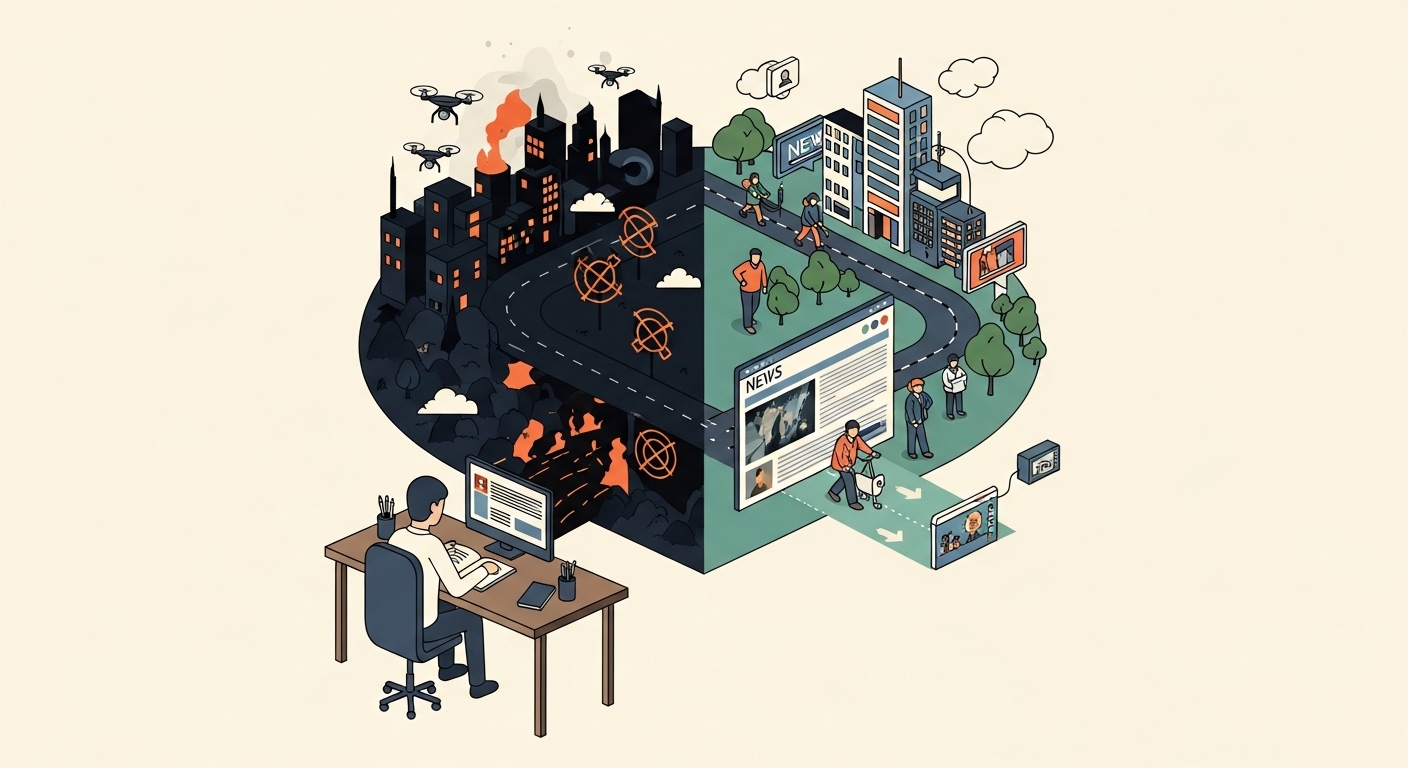
The traditional model of dystopian fiction often relied on dramatic extremes—collapsed societies, authoritarian regimes, or futuristic oppression. While these elements remain relevant, their impact has diminished when presented without nuance. Modern readers respond more strongly to realistic dystopian worlds that feel like a natural extension of the present.
This evolution in the genre highlights a key principle: the closer a fictional world feels to reality, the more unsettling it becomes. Effective speculative fiction writing today focuses on proximity rather than exaggeration, grounding the narrative in recognizable systems and behaviors.
Why Familiar Systems Create Lasting Psychological Impact
Fear that stems from recognition tends to linger. Subtle elements—data tracking, algorithmic influence, controlled narratives—can feel more disturbing than overt oppression because they mirror existing systems. This approach enhances reader engagement in dystopian fiction, creating tension that feels persistent rather than temporary.
Writing One Step Ahead of Reality Instead of Ten Steps Beyond
Instead of imagining distant futures, writers can focus on incremental changes that extend current trends. This “one step ahead” approach makes the story feel immediate, increasing its emotional and psychological resonance. It also strengthens the credibility of the world, which is essential for immersive storytelling.
Building a Living System: How to Create a World That Evolves Instead of Collapses
A compelling dystopian world does not appear overnight—it develops gradually through interconnected systems. This approach reflects how real societies function, making the narrative more believable and immersive.
Rather than presenting a static setting, writers should construct a dynamic dystopian environment where change is constant and often subtle. This allows the world to feel organic, shaped by decisions, policies, and cultural shifts over time.
The Narrative Power of Incremental Change
Small, seemingly insignificant changes can accumulate into profound transformations. A shift in language, a new regulation, or a change in social behavior can signal deeper systemic evolution. These details create a sense of realism that enhances worldbuilding in dystopian fiction.
Designing Systems That Influence Daily Life
Effective dystopian worlds are defined by how they impact everyday experiences. How do people communicate, work, or make decisions within the system? By focusing on these details, writers create a setting that feels lived-in rather than constructed.
Creating Psychological Tension Through Emotional and Internal Conflict
Modern dystopian fiction relies less on physical danger and more on psychological tension and emotional depth. Readers are drawn to stories that explore how individuals respond to complex, often oppressive environments.
The most compelling narratives focus on the intersection between the external world and the internal experience of the character. This dual layer of conflict creates a richer and more engaging story.
Internal Conflict as the Core of Modern Dystopian Narratives
Characters should struggle with more than survival. They should question their beliefs, confront their fears, and navigate moral ambiguity. This internal tension mirrors the complexity of real-world decision-making, enhancing the story’s depth.
Familiar Fears That Create Lasting Impact
Loss of privacy, erosion of identity, and uncertainty about truth are all deeply relatable fears. When these elements are woven into the narrative, they create a sense of unease that resonates with readers on a personal level.
Reimagining Conflict: Moving Beyond Rebellion-Driven Narratives
While rebellion has long been a staple of dystopian fiction, modern storytelling benefits from exploring more nuanced forms of conflict. Not every character resists the system in obvious ways. Some adapt, some comply, and others exist in a space of uncertainty.
This shift allows for more complex storytelling, where conflict is not defined solely by action but by choice, consequence, and moral tension.
Moral Dilemmas as the Driving Force of Tension
Instead of focusing exclusively on physical stakes, writers can emphasize ethical decisions. Choosing between safety and truth, or loyalty and survival, creates tension that feels both immediate and meaningful.
Exploring Complicity and Quiet Resistance
Characters who participate in the system—whether knowingly or not—offer a unique perspective. Their internal struggle can be just as compelling as open defiance, adding depth to the narrative.
Crafting Relatable Characters in Unstable Worlds
Characters are the emotional anchor of dystopian fiction. In a world that already feels uncertain, readers connect most strongly with individuals who reflect their own struggles and complexities.
A well-developed character brings humanity to the narrative, grounding even the most speculative elements in reality.
Flawed Protagonists and Emotional Authenticity
Modern readers are drawn to characters who are imperfect, conflicted, and evolving. These qualities make them relatable and enhance the emotional impact of the story.
Expanding Perspective Through Supporting Characters
Secondary characters provide alternative viewpoints, showing how different individuals respond to the same system. This adds depth and prevents the narrative from feeling one-dimensional.
Subtle Systems of Control: Writing Power Without Obvious Oppression
In contemporary dystopian fiction, control is often subtle rather than overt. It operates through influence, normalization, and internalization rather than force. This approach reflects real-world dynamics, making the story more believable and impactful.
Social Conditioning as a Form of Control
Behavior can be shaped through cultural expectations, incentives, and social pressure. When individuals begin to enforce these norms themselves, the system becomes deeply embedded.
The Illusion of Choice in Controlled Environments
Characters may believe they are making independent decisions, even when their options are limited. This illusion creates psychological tension, reinforcing the story’s themes.
Themes That Reflect Reality Without Losing Narrative Depth
Themes in dystopian fiction should emerge organically from the story. When handled effectively, they add meaning without disrupting immersion. Modern dystopian narratives often explore identity, autonomy, truth, and control—concepts that resonate strongly with contemporary audiences.
Identity and the Search for Autonomy
Characters may struggle to maintain a sense of self within systems that seek to define or limit them. This tension creates a powerful emotional core.
Hope as a Quiet Form of Resistance
Hope does not need to manifest as large-scale change. Small acts of connection, awareness, or defiance can provide balance and emotional resonance.
Tone, Atmosphere, and the Art of Subtle Storytelling
Tone plays a critical role in shaping the reader’s experience. In modern dystopian fiction, restraint often creates more impact than intensity. A carefully crafted atmosphere allows tension to build gradually, creating a sense of unease that persists throughout the narrative.
Letting Subtext Drive the Narrative
Rather than explaining every detail, writers can allow meaning to emerge through context and implication. This approach enhances engagement and encourages readers to think critically.
Building Unease Through Small Details
Minor inconsistencies, subtle contradictions, and quiet moments can create a powerful emotional effect. These elements contribute to a sustained sense of tension.
Ethical Storytelling in a Real-World Context
Writing dystopian fiction today requires an awareness of real-world issues. Stories should aim to explore complex themes without exploiting them. The goal is to engage readers thoughtfully, encouraging reflection rather than overwhelming them with despair.
Avoiding Sensationalism in Difficult Narratives
Handling sensitive topics with nuance ensures that the story remains meaningful and respectful. Depth is more impactful than shock value.
Balancing Darkness With Insight
While dystopian fiction often explores challenging themes, it should also offer perspective or understanding. This balance keeps the narrative engaging and thought-provoking.
Conclusion: Writing Dystopia That Feels Immediate, Relevant, and Necessary
Dystopian fiction has not lost its relevance—it has evolved. In a world where reality already reflects many dystopian elements, the writer’s role is to interpret, refine, and illuminate those experiences through storytelling. The most powerful dystopian narratives resonate because they feel familiar. Readers are drawn to stories that reflect their own world, offering new ways to understand it.
By focusing on emotional truth, subtle worldbuilding, and complex characters, writers can create stories that feel not only engaging, but essential. The goal is not to invent fear, but to reveal it with clarity and purpose.
FAQ Section
Q1: Is dystopian fiction still relevant today?
Yes. It has become even more relevant as it reflects contemporary societal challenges and anxieties.
Q2: How do I avoid clichés in dystopian writing?
Focus on realism, emotional depth, and subtle systems rather than exaggerated or overused tropes.
Q3: Do dystopian novels need a rebellion plot?
No. Internal conflict, moral dilemmas, and quiet resistance can be just as compelling.
Q4: How can I make my dystopian world feel realistic?
Ground it in recognizable systems, behaviors, and emotional experiences, and build it through gradual, believable change.