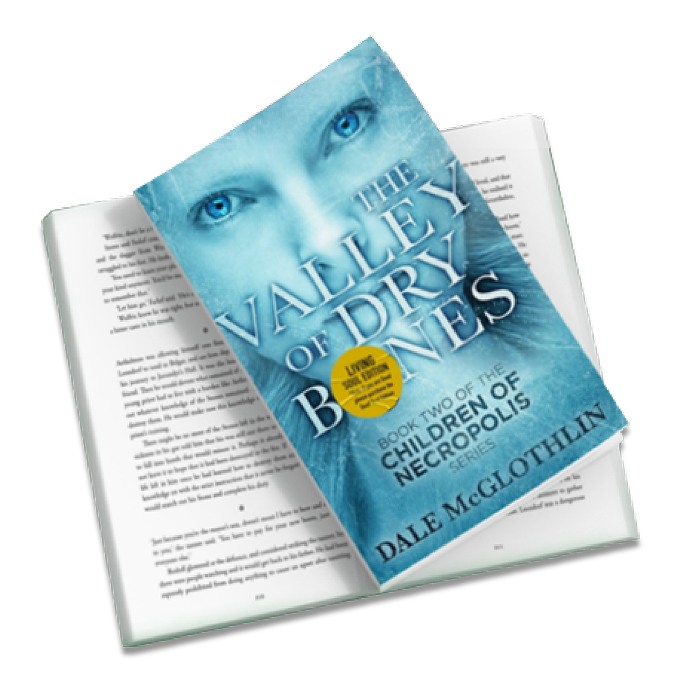
A potential reader lands on your book page, glances at the cover, reads the title, and then moves to the description. In that brief moment, a silent decision begins to form. Should they keep reading, or should they leave? That decision rarely depends on logic alone—it’s driven by how effectively your book description captures attention and builds interest.
Writers often spend months crafting a manuscript, only to treat the description as an afterthought. The result is usually a flat summary that explains the book but fails to sell it. What many overlook is that a well-written Amazon book description is not just informative—it is persuasive. It is designed to pull the reader in, spark curiosity, and guide them toward taking action.
A compelling description doesn’t reveal everything. Instead, it creates a sense of anticipation. It makes the reader feel that there is something valuable waiting inside the book—something they don’t want to miss. This balance between clarity and intrigue is what transforms a simple description into a powerful sales tool.
Why Your Book Description Has a Direct Impact on Sales
When readers browse books online, they rarely read every word. Most decisions happen in seconds. This means your book description is not just an optional add-on—it is a critical factor in whether your book gets noticed or overlooked. A compelling description can be the difference between a casual browser and a paying reader.
The Bridge Between Curiosity and Commitment
Your description serves as the bridge between initial interest and a reader’s decision to engage. It answers the unspoken question: “Why should I spend time on this book?” If this question is not addressed clearly and persuasively, the reader will move on, often without a second thought. A well-crafted description guides readers smoothly from curiosity to commitment.
Emotional Connection Drives Decisions
Readers are not only seeking information—they are seeking connection. They want to feel something: excitement, suspense, inspiration, or curiosity. A description that evokes these emotions increases the likelihood that a reader will take the next step. Emotional resonance is often more powerful than factual explanation, because it taps into the reader’s motivations and desires.
Build Trust While Engaging
Clarity and credibility are just as important as emotional engagement. A description that is confusing, vague, or overly complicated can undermine trust. Readers need to feel that the book is well-thought-out and relevant to their interests. Balancing clarity with emotional appeal ensures that the description both informs and persuades.
Key Takeaways for Maximizing Sales Impact
To make your book description more effective in capturing attention and converting readers:
- Focus on what the reader gains rather than just what the book is about
- Create emotional hooks that spark curiosity or excitement
- Keep sentences clear, concise, and easy to follow
- Highlight unique aspects that differentiate your book from others
- Guide readers naturally toward taking action without being pushy
Understanding What Your Reader Truly Wants
Before you begin writing your book description, it is essential to understand your audience. Without this clarity, your message will feel vague and unfocused.
Readers approach books with expectations shaped by genre and intent. Someone exploring fiction is often looking for an emotional experience—something immersive and engaging. In contrast, a nonfiction reader is usually searching for solutions, insights, or transformation.
This means your description must align with those expectations from the start. Instead of focusing on what your book contains, focus on what the reader gains. This shift in perspective changes the tone of your writing from descriptive to persuasive.
When readers feel that your book speaks directly to their interests or challenges, they are far more likely to continue reading.
Writing an Opening That Instantly Hooks Attention
The first few lines of your Amazon book description are critical. They determine whether the reader stays or leaves. A weak opening typically explains the book in a straightforward way, which often fails to create interest.
A strong opening does the opposite. It introduces a sense of curiosity or tension that makes the reader want to know more. This could be a question, a surprising statement, or a hint at conflict.
The key is to avoid over-explaining. When too much information is presented too early, the sense of intrigue disappears. Instead, focus on creating a moment that feels incomplete—something that invites the reader to continue.
An effective opening is not about clarity alone; it is about creating momentum.
Building Curiosity Without Revealing Too Much
Once you have captured the reader’s attention, the next challenge is maintaining it. This is where many descriptions lose their effectiveness. Writers often try to explain everything, which removes the very curiosity that keeps readers engaged.
A well-crafted book description works by controlling the flow of information. It introduces key ideas, hints at challenges, and suggests that something meaningful is at stake. However, it stops short of providing full answers.
In fiction, this means focusing on the central conflict and the stakes involved. You give the reader enough context to understand the situation but leave the outcome unresolved.
In nonfiction, the approach is slightly different. You highlight the problem and suggest that a solution exists within the book. The reader should feel that the answers they are looking for are just out of reach, encouraging them to explore further.
Creating Emotional Connection Through Language
Emotion plays a powerful role in how readers make decisions. A description that feels neutral or overly technical is unlikely to hold attention. Readers are drawn to content that makes them feel something.
This emotional connection is created through careful use of language. The tone should match the experience your book offers. A suspenseful story should feel tense even in its description, while an inspirational book should evoke a sense of possibility.
Specific details also help strengthen this connection. Instead of making broad statements, focus on elements that feel real and relatable. This makes the description more vivid and engaging.
For nonfiction, emotional engagement often comes from recognition. When readers see their own challenges or goals reflected in your description, they are more likely to feel that the book is relevant to them.
Communicating Value in a Clear and Compelling Way
Curiosity alone is not enough to convert a reader. At some point, they need to understand why your book is worth their time. This is where value becomes essential.
For nonfiction, value is closely tied to transformation. Readers want to know how the book will help them improve their situation or gain new insight. This does not require lengthy explanations, but it does require clarity.
You can reinforce this value by briefly highlighting what the reader will gain, such as:
- A deeper understanding of an important subject
- Practical insights that can be applied in real situations
- A shift in perspective that challenges existing thinking
These points should support the overall narrative rather than replace it.
For fiction, value is expressed differently. It lies in the experience of the story—the tension, the emotional journey, and the stakes. The description should make that experience feel meaningful without revealing how it unfolds.
Structuring Your Book Description for Better Flow
A strong Amazon book description is not only about what you say but also how you organize it. A clear structure helps guide the reader through the content without confusion.
| Section | Purpose | Focus |
|---|---|---|
| Opening | Capture attention | Curiosity and intrigue |
| Middle | Build interest | Conflict or core idea |
| Value | Show importance | Benefits or stakes |
| Closing | Encourage action | Subtle persuasion |
This structure ensures that your description feels cohesive and easy to follow. It also helps maintain a natural progression from curiosity to decision.
Writing Techniques That Improve Readability and Engagement
Prioritize Clarity Above All
The strongest book descriptions are easy to read and understand. If a reader has to pause or reread a sentence, engagement drops immediately. Clear writing requires careful editing: every word should have purpose, and every sentence should move the reader forward. Clarity builds trust, making your book feel approachable and worth exploring.
Vary Sentence Structure
Monotonous writing can quickly lose a reader’s attention. By mixing short, punchy sentences with slightly longer, more descriptive ones, you create a natural rhythm that draws the reader in. This variation mimics the way we naturally process ideas, keeping the description dynamic and engaging.
Focus on Precision
Precision ensures that every sentence contributes to the overall goal: persuading and engaging the reader. Avoid filler, vague statements, or generic phrases. Each word should enhance understanding, build curiosity, or communicate value. Precise writing makes your description feel intentional and professional.
Use Language That Evokes Emotion
Readers are more likely to engage with content that makes them feel something. Whether it’s excitement, suspense, or inspiration, choosing words that evoke emotional responses strengthens the persuasive impact. Focus on concrete, relatable language rather than abstract claims or overly technical phrasing.
Strategic Bullet Points for Key Ideas
Brief bullet points can highlight essential benefits or takeaways, but they should complement the paragraphs rather than replace them. For example:
- Highlight the book’s unique value or promise
- Draw attention to practical insights or tips
- Emphasize stakes or emotional impact
- Reinforce curiosity without revealing outcomes
- Break up longer sections for readability
When used strategically, bullets enhance scannability while keeping the description immersive and cohesive.
How to Make Your Book Description Instantly More Compelling
Sharpen Your Language for Stronger Impact
A powerful book description often comes down to how efficiently it communicates its message. Many drafts lose their effectiveness because they are filled with unnecessary words that weaken clarity. When sentences are tightened and refined, the description becomes more direct and engaging.
Readers do not have the patience to decode complex or overly long phrasing. They respond better to writing that feels clear, confident, and purposeful. Each sentence should serve a function—either building curiosity, reinforcing value, or guiding the reader forward. When this happens, the entire description feels more polished and professional.
Shift the Focus Toward the Reader’s Experience
One of the most effective ways to improve an Amazon book description is to shift the perspective. Instead of focusing on what the book contains, focus on what the reader will experience. This approach makes the description feel more immersive. Rather than simply presenting information, it invites the reader into the world of the book or the outcome it promises. In fiction, this might mean emphasizing emotional tension or stakes. In nonfiction, it means highlighting transformation and practical value.
When readers can imagine themselves benefiting from or experiencing the book, their level of interest increases naturally.
Improve Clarity to Build Trust Quickly
Clarity is one of the most underrated elements of a successful book description. If a reader has to pause to understand a sentence, the flow is broken. Even small moments of confusion can reduce engagement. A clear description builds trust. It shows that the message is well thought out and easy to follow. This does not mean oversimplifying the content, but rather presenting it in a way that feels accessible and natural.
When your ideas are expressed clearly, readers are more likely to stay engaged and continue reading.
Strengthen Flow Between Ideas
A compelling description should feel like a continuous progression rather than a series of disconnected points. Each paragraph should lead naturally into the next, creating a sense of momentum. Transitions play an important role here. When ideas connect smoothly, the reading experience becomes effortless. The reader is guided from curiosity to understanding without feeling any friction.
This sense of flow is what keeps readers engaged from the first line to the last. It ensures that the description feels cohesive and complete rather than fragmented.
Quick Ways to Refine Your Description
To enhance your book description without overcomplicating the process, focus on a few targeted improvements that deliver immediate results:
- Remove unnecessary words to make your sentences sharper and more direct
- Replace vague language with specific, meaningful expressions
- Ensure each sentence logically connects to the next for better flow
- Keep the reader’s perspective at the center of every paragraph
- Read the description aloud to identify awkward phrasing or weak transitions
These small refinements can significantly elevate the quality of your description, making it more engaging, persuasive, and effective.
Using Keywords Naturally for Better Visibility
A well-optimized book description helps improve discoverability while maintaining readability. Keywords should be integrated naturally rather than forced into the content. Primary phrases such as how to write a book description, Amazon book description, and book blurb should appear in a way that feels organic. These keywords help search engines understand the relevance of your content.
In addition, semantic keywords like book summary, sales copy, reader engagement, and conversion-focused writing provide context and depth. They strengthen the overall SEO value without disrupting the flow.
The key is balance. The description should always feel natural to the reader first and optimized for search engines second.
Refining Your Description for Maximum Impact
Writing a strong description is rarely a one-step process. Refinement is where real improvement happens. Reading your description aloud can help identify areas where the flow feels unnatural. It allows you to hear how the text sounds and where adjustments are needed. Editing for clarity and conciseness is equally important. Removing unnecessary words strengthens the message and improves readability. Testing different variations can also provide valuable insights. Small changes in wording or structure can significantly affect how readers respond. This process helps you identify what resonates most effectively.
Conclusion
A compelling book description is not just a summary—it is a carefully crafted piece of communication designed to attract, engage, and persuade. When written effectively, it captures attention within seconds, builds curiosity through controlled information, and communicates value in a way that feels natural and convincing. It aligns with the reader’s expectations while creating a sense of anticipation. Writers who invest time in refining their descriptions often see a noticeable improvement in how their books perform. The content remains the same, but the way it is presented changes how it is perceived.
In a competitive environment, this difference can determine whether your book is discovered or overlooked.
Frequently Asked Questions (FAQ)
How long should a book description be?
A well-crafted book description usually falls between 150 and 300 words. It should provide enough detail to build interest while remaining concise.
What makes a book description effective?
An effective description captures attention, builds curiosity, and clearly communicates value. It should engage the reader emotionally while maintaining clarity.
Should I include keywords in my book description?
Yes, but they should be used naturally. Keywords help improve visibility, but readability should always remain the priority.
How is a book description different from a synopsis?
A synopsis provides a full overview of the story or content, including key details. A book description focuses on persuasion and avoids revealing everything.
Can I improve my book description after publishing?
Yes, updating your description is a common practice. Testing different versions can help improve engagement and conversion.