In 2026, resumes are no longer just lists of jobs and education—they’re dynamic marketing tools that tell a story about who you are, what you can do, and why a recruiter should invest in you. With evolving technology, AI screening tools, and modern hiring practices, understanding what recruiters want has never been more critical. In this blog, we’ll explore how to craft a resume that not only passes automated scans but also captures human attention, positioning you as a strong, standout candidate.
Why Traditional Resumes Are Becoming Obsolete
For decades, resumes followed a standard formula: name, contact information, work history, and education. While the core information is still essential, recruiters in 2026 expect much more. The traditional approach often falls flat because it doesn’t highlight achievements, measurable results, or adaptability—qualities that employers value above basic experience.
Modern resumes need to demonstrate impact, show continuous learning, and reflect the candidate’s personal brand. Recruiters are scanning for signals that a person is future-ready, tech-savvy, and capable of contributing to a dynamic workplace. In short, resumes must tell a story—not just list facts.
Crafting a Resume That Stands Out
Creating a standout resume involves more than aesthetics. It’s about strategy, clarity, and relevance. Every section should communicate value to the recruiter while remaining concise and readable.
Tailor Your Resume for the Role
One of the most common mistakes job seekers make is sending out generic resumes. In 2026, personalization is essential. Highlight experiences, skills, and accomplishments that align with the specific role and the company’s goals. This shows that you’ve taken the time to research and understand the organization.
Recruiters are particularly attentive to how keywords are used. While keyword stuffing is ineffective, strategically incorporating relevant skills and competencies improves the likelihood your resume passes AI screening systems without sacrificing readability.
Focus on Achievements, Not Duties
Listing job responsibilities is no longer sufficient. Modern recruiters want to see quantifiable accomplishments that illustrate your impact. Instead of writing, “Managed a team of 10 employees,” you might write:
“Led a cross-functional team of 10 to increase product launch efficiency by 35%, reducing time-to-market by two months.”
Numbers and results give your resume credibility and memorability, making it clear you’re results-driven rather than task-focused.
Highlight Transferable Skills
In today’s fast-paced work environment, the ability to adapt and learn quickly is invaluable. Highlight transferable skills—like project management, data analysis, communication, and problem-solving—that demonstrate versatility. Recruiters are looking for candidates who can pivot across roles, adapt to new technologies, and contribute in multiple ways.
Modern Resume Design Principles
While content is king, visual clarity and design significantly impact recruiter perception. A clean, organized layout ensures your resume is scannable and professional.
Keep It Readable
Use legible fonts, clear headings, and consistent spacing. Avoid overly decorative elements or dense blocks of text. Recruiters spend just a few seconds on initial scans, so the resume must communicate information quickly and clearly.
Use Strategic Formatting
Bold key achievements, use bullet points for clarity, and ensure alignment is consistent. Tables or visual elements can help display skills or certifications but should be used sparingly to avoid clutter.
Optimize for Digital Scanning
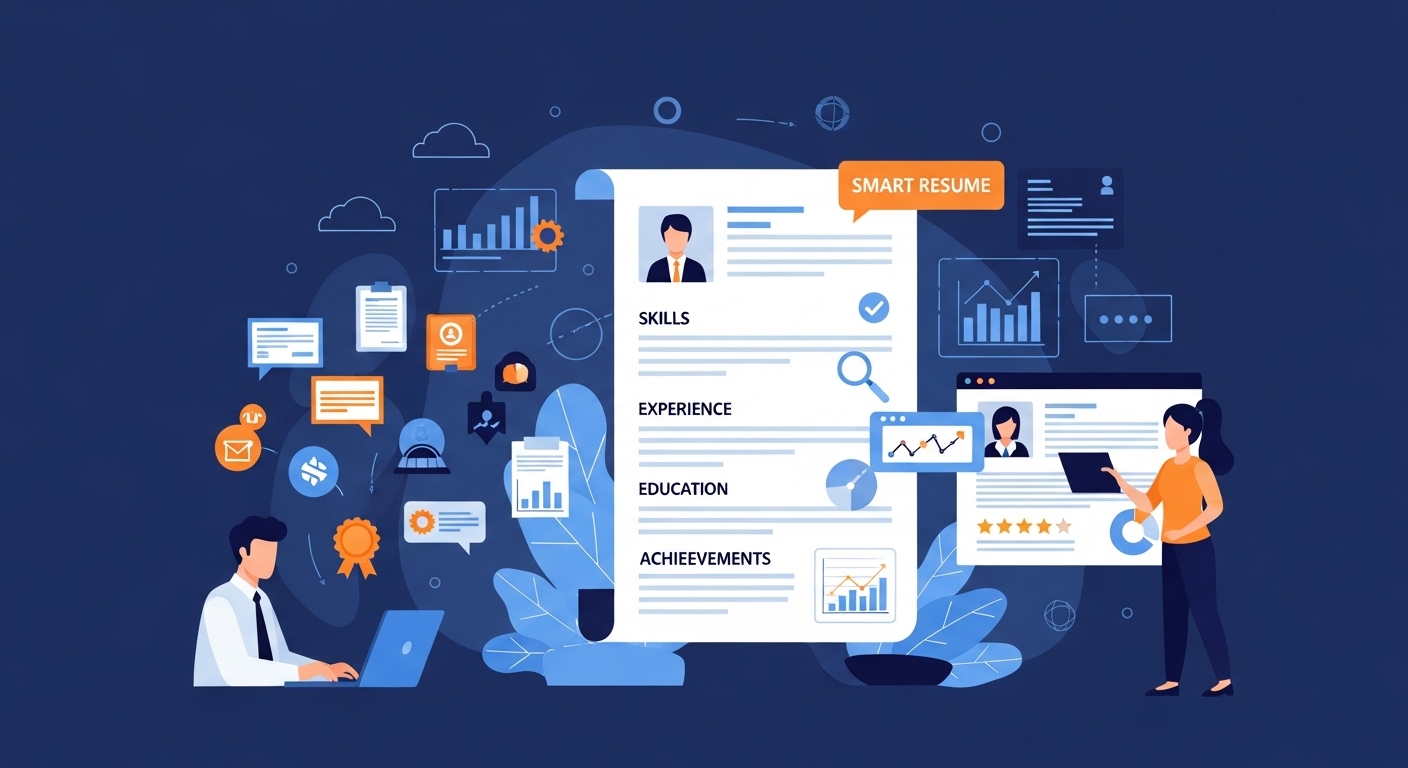
AI-powered applicant tracking systems (ATS) are now common. Proper formatting, standard headings, and keyword-rich descriptions improve your chances of passing digital scans while keeping the document readable for human reviewers.
The Role of Personal Branding in Your Resume
A resume is also a tool for personal branding. Beyond qualifications, it should convey who you are as a professional.
- Professional Summary: A brief opening statement should encapsulate your experience, strengths, and career goals in a way that hooks the recruiter.
- LinkedIn and Online Presence: Include links to professional portfolios or LinkedIn profiles to provide additional context and credibility.
- Consistency Across Platforms: Ensure your resume, LinkedIn, and other professional profiles tell the same story about your skills, achievements, and professional identity.
A strong personal brand sets you apart from other candidates and leaves a lasting impression even before the interview stage.
2026 Resume Trends That Will Make You Stand Out to Recruiters
The job market is evolving rapidly, and so are the expectations recruiters have for resumes. In 2026, candidates need more than a list of previous roles and skills—they must present themselves as adaptable, tech-savvy, and forward-thinking professionals. Here are the key trends shaping modern resumes and how you can leverage them to stand out.
Video Resumes and Interactive Portfolios
Gone are the days when a static PDF alone could capture attention. Many employers are now encouraging candidates to showcase personality, communication skills, and creativity through video resumes. A concise, professional video—typically one to two minutes—can highlight your experience, demonstrate enthusiasm, and convey traits that are difficult to capture in writing.
Similarly, interactive portfolios are becoming increasingly popular, especially for creative or technical roles. These may include clickable case studies, project demos, infographics, or embedded links that allow recruiters to explore your work in depth. Interactive elements not only demonstrate technical proficiency but also signal that you understand modern digital communication trends.
AI-Optimized Resumes
Artificial intelligence now plays a central role in the hiring process. Many companies use Applicant Tracking Systems (ATS) to filter candidates before human eyes ever see a resume. In response, AI-optimized resumes are becoming a necessity.
This doesn’t just mean inserting keywords randomly—it’s about structuring content for readability by both AI and human recruiters. Automated tools can help candidates identify which skills, phrases, and formatting will improve visibility in ATS scans. For example, proper section headings, consistent formatting, and strategic placement of industry-specific keywords can significantly increase the chances of passing initial screenings.
Emphasis on Lifelong Learning
The ability to adapt and grow continuously is highly valued by modern employers. Resumes in 2026 are increasingly highlighting certifications, online courses, workshops, and upskilling efforts. This trend reflects a shift away from merely listing previous experience toward demonstrating proactive personal and professional development.
For instance, a candidate in digital marketing might showcase recent certifications in AI-driven analytics, social media strategy, or UX design. By emphasizing learning and growth, your resume communicates that you are not only capable of handling current responsibilities but also prepared to evolve with industry changes.
Short-Form, Scannable Profiles
Attention spans are shrinking, and recruiters often review hundreds of resumes in a single day. Short-form, highly scannable profiles are emerging as a best practice. This approach prioritizes clarity, concise achievements, and immediate visibility of key strengths.
Modern resumes may feature highlight sections at the top, such as core competencies, key achievements, or a professional summary that allows recruiters to grasp your value at a glance. The detailed experience section can still exist but is often designed for optional deeper exploration, enabling recruiters to dive into specifics only if the top-level highlights capture interest.
Staying Ahead of the Trends
Being aware of these trends is crucial for job seekers who want to remain competitive in 2026 and beyond. By integrating video elements or interactive portfolios, optimizing resumes for AI, highlighting continuous learning, and adopting a scannable, concise format, candidates can present themselves as modern, adaptable, and forward-thinking professionals.
Resumes are no longer just a formality—they’re dynamic tools that showcase your adaptability, creativity, and strategic thinking. Keeping these trends in mind ensures that your resume doesn’t just meet expectations but exceeds them, capturing attention in a crowded talent pool.
Here’s a fully revamped, engaging, and dynamic version of your section, written to flow naturally and keep readers hooked:
Keywords and Skills That Matter in 2026
In 2026, writing a resume isn’t just about listing what you know—it’s about showing impact, relevance, and adaptability. Recruiters increasingly rely on keywords to filter candidates, but the trick is to use them strategically, not mechanically. The right keywords can highlight your expertise, improve visibility in AI-powered scans, and convey the value you bring to an organization.
Technical Competencies: Speak Their Language
Modern recruiters want to see that you’re future-ready. This means demonstrating proficiency with tools and technologies relevant to your field. Whether it’s AI platforms, data analysis software, project management tools, or other industry-specific systems, your resume should reflect that you know how to operate efficiently in a digital-first workplace.
For example, instead of simply stating “Familiar with data tools,” consider:
“Analyzed large datasets using Python and Tableau to identify trends that informed strategic marketing decisions.”
This approach demonstrates skill and impact simultaneously, giving recruiters a clear reason to keep reading.
Soft Skills: The Human Factor
Technical skills can get you noticed, but soft skills keep you in the running. Leadership, communication, problem-solving, adaptability, and collaboration are more than buzzwords—they signal your ability to thrive in dynamic environments.
Instead of listing soft skills in isolation, weave them into your achievements:
“Led a cross-functional team to streamline workflows, improving project turnaround time by 25% while fostering collaboration across departments.”
This method highlights your human capabilities in action, making your resume feel alive and results-oriented.
Action-Oriented Language: Show, Don’t Tell
Strong verbs make your resume active and compelling. Words like led, implemented, optimized, achieved, and delivered show initiative and tangible results. They move your resume away from passive descriptions and toward a narrative that proves your value.
For instance, compare:
- Passive: “Responsible for managing a team.”
- Active: “Led a 10-person team to exceed quarterly revenue targets by 20%.”
The second version communicates both responsibility and measurable impact—exactly what recruiters want.
Common Pitfalls That Can Sink Your Resume
Even the most skilled candidates can stumble if they fall into classic traps. Avoid these common mistakes to ensure your resume stands out for the right reasons:
Overloading with Text
Dense paragraphs and long lists of bullet points can overwhelm readers. Keep your content concise, scannable, and structured, with clear sections and headings.
Vague Descriptions
Generic phrases like “responsible for” or “assisted with projects” don’t convey your value. Instead, show measurable impact with specific examples and results.
Irrelevant Information
Recruiters scan for relevance. Include only experiences, skills, and achievements that align with the role you’re applying for. Extraneous information dilutes your narrative and distracts from your strengths.
Outdated Formatting
Avoid complex graphics, heavy colors, or unusual fonts that might confuse ATS software. A clean, professional layout ensures readability for both humans and machines.
Typos and Grammar Errors
Small mistakes can signal carelessness. Thorough proofreading is essential to maintain credibility and professionalism. Even minor errors can overshadow strong content.
By focusing on strategic keywords, soft skills in action, and dynamic, measurable achievements, while avoiding common pitfalls, your 2026 resume becomes more than a document—it becomes a powerful marketing tool that captures attention, demonstrates impact, and positions you as a top candidate in a competitive job market.
FAQ: Resume Writing in 2026
Q1: How long should a resume be in 2026?
A: One to two pages is standard. Focus on quality, relevance, and impact, not quantity.
Q2: Should I include soft skills on my resume?
A: Yes, but integrate them with examples. For instance, “Led a cross-functional team” shows leadership rather than just stating it.
Q3: How important is formatting for ATS?
A: Very. Stick to standard headings, simple fonts, and clear bullet points to ensure your resume passes AI screening.
Q4: Are online portfolios necessary?
A: Optional but highly recommended for creative or technical roles. Portfolios demonstrate work quality and skill application.
Q5: Can I use the same resume for all jobs?
A: No. Tailoring your resume for each role significantly increases your chances of passing ATS and impressing recruiters.
Conclusion
In 2026, a resume is more than a list of experiences—it’s a strategic tool that tells your professional story. Recruiters look for candidates who can show measurable impact, demonstrate adaptability, and align with company needs. By crafting resumes that are clear, achievement-focused, and tailored, you not only pass AI screenings but also capture human attention, paving the way for interviews and career growth. Modern resumes are about impact, clarity, and authenticity. By following the strategies outlined here, you can ensure your resume stands out in a competitive landscape and effectively communicates why you’re the right candidate for the job.