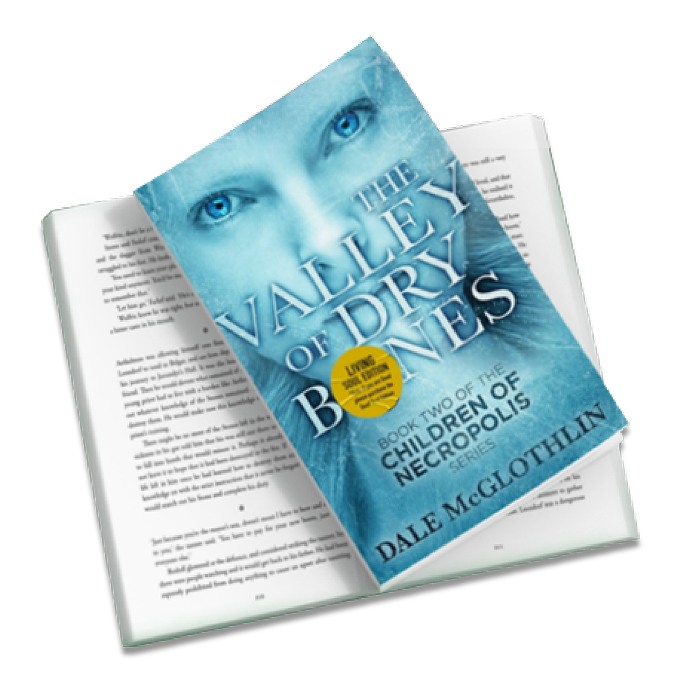
Social media marketing for authors has evolved into one of the most powerful yet misunderstood tools in modern publishing. Many writers step into this space expecting quick visibility and immediate book sales, only to feel disappointed when their efforts don’t translate into results. The issue, however, is rarely the platform itself—it’s how it’s being used.
The reality is that social media works best when approached strategically. Instead of treating it as a direct sales channel, successful authors use it to build relationships, establish authority, and create consistent visibility. The key lies in understanding which platforms align with your goals and how to use them effectively without spreading yourself too thin.
Why Social Media Marketing Feels Overwhelming for Authors
Many authors struggle because they approach social media without a clear framework. The pressure to “be everywhere” often leads to inconsistency and burnout. Instead of building momentum, efforts become scattered.
The Problem with Being on Every Platform
Trying to maintain a presence across multiple platforms usually results in low-quality content and irregular posting. Each platform requires a different content style, and managing all of them simultaneously can dilute your impact.
A more effective approach is selective focus. Choosing one or two platforms allows you to develop a stronger voice and maintain consistency, which is critical for growth.
The Misconception About Selling Books
Another common issue is over-promotion. Social media users are not there to be sold to constantly. They are there to be entertained, informed, or inspired. Authors who focus only on selling often see lower engagement because their content lacks value.
What Makes a Social Media Platform “Work”
Not every platform delivers the same results. For authors, a platform works when it supports discoverability, aligns with content style, and attracts the right audience.
Key Elements of an Effective Platform
A platform becomes valuable when it offers:
- Strong organic reach or discoverability
- Compatibility with your content strengths
- Access to your target readers
When these elements are present, growth becomes more predictable and sustainable rather than random.
Types of Platforms That Deliver Results
Instead of focusing on specific names, it’s more useful to understand platform categories and how they function in social media marketing for authors.
Short-Form Content Platforms
These platforms are currently leading in terms of reach and discoverability. They prioritize quick, engaging content that captures attention within seconds.
They tend to work well because:
- Algorithms push content to new audiences
- Engagement can grow rapidly
- Storytelling can be delivered in short bursts
For authors, this format is particularly powerful for showcasing emotions, themes, and character-driven moments.
Visual-Based Platforms
Visual platforms are ideal for building a strong author brand. They emphasize aesthetics and consistency, making them effective for long-term recognition.
These platforms support:
- Book cover presentation
- Visual storytelling through design
- Consistent brand identity
While growth may be slower compared to short-form content platforms, they create a polished and professional presence.
Conversation-Driven Platforms
These platforms focus on ideas, discussions, and written content. They are especially effective for authors who want to position themselves as experts or thought leaders.
They work best for:
- Sharing insights and experiences
- Building credibility in a niche
- Engaging in meaningful conversations
This approach is particularly useful for nonfiction writers or authors with strong opinions and perspectives.
Community-Oriented Platforms
Some platforms prioritize interaction over reach. While they may not offer rapid growth, they excel at building loyal audiences.
Key benefits include:
- Direct engagement with readers
- Stronger relationships and trust
- Opportunities for feedback and collaboration
These platforms are valuable for authors who want to create a dedicated reader base rather than just a large following.
How to Choose the Right Platform for Your Author Brand
Choosing the right platform is less about chasing trends and more about strategic alignment. The goal is to position yourself where your strengths, content style, and audience behavior naturally intersect. When that alignment is right, content creation feels sustainable, and growth becomes more organic rather than forced.
Many authors make the mistake of selecting platforms based on popularity instead of compatibility. A better approach is to evaluate how well a platform supports the way you communicate and the type of readers you want to attract. The right choice should simplify your workflow, not complicate it.
Ask Yourself These Questions
Before committing to any platform, take a step back and assess your natural inclinations and long-term capacity. This clarity will prevent burnout and improve consistency.
- Do you express yourself better through writing, speaking, or visuals?
- Where does your ideal reader already spend their time and attention?
- Can you realistically create content for this platform on a consistent basis?
- Does the platform support the type of content your book naturally lends itself to?
These questions go beyond surface-level decision-making. They help you identify not just where you can show up, but where you can show up effectively and consistently.
When you choose a platform that aligns with your strengths, content creation becomes more intuitive. Instead of forcing yourself into unfamiliar formats, you build a system that works with your natural abilities. This not only improves the quality of your content but also makes it easier to maintain momentum over time.
Content Strategies That Actually Work
Regardless of the platform, certain strategies consistently deliver better results in social media marketing for authors.
Focus on Value First
Content should always offer something meaningful to the audience. This could be:
- Entertainment through storytelling
- Insight into your writing process
- Inspiration for aspiring readers or writers
When value comes first, engagement follows naturally.
Balance Promotion with Engagement
Promotion is necessary, but it should not dominate your content. A balanced approach ensures that your audience stays interested without feeling overwhelmed.
A simple structure could look like:
- Majority of posts focused on value
- Occasional posts promoting your book
- Regular interaction with your audience
This keeps your presence engaging while still supporting your goals.
Build a Recognizable Voice
Consistency in tone and style makes your content memorable. Readers should be able to recognize your voice regardless of the platform. Over time, this builds familiarity and trust—two essential components of successful book marketing.
Measuring What Actually Matters
Success in social media marketing for authors is often misunderstood. Many focus on vanity metrics rather than meaningful indicators.
Metrics That Indicate Real Growth
Instead of just tracking followers, pay attention to:
- Engagement (comments, shares, saves)
- Audience interaction and feedback
- Consistency of growth over time
These metrics provide a clearer picture of whether your strategy is working.
Got it—you’re looking for something fresh, sharp, and non-generic, not recycled advice. Here’s a more dynamic, insight-driven version:
Why Your Social Media Isn’t Working (And What’s Holding You Back
Most authors don’t fail on social media because they lack talent or effort. They fail because they fall into patterns that look productive but don’t actually move the needle. These mistakes are subtle, which is why they persist.
Posting Without a Clear Content Angle
A lot of content feels scattered—not because it’s bad, but because it lacks a defined angle. One day it’s a writing quote, the next day it’s a random update, then a promotional post. To a reader, this feels disconnected.
Strong author accounts operate with a clear content direction. Whether it’s storytelling, education, or personality-driven content, there’s a consistent thread running through everything. Without that, growth becomes unpredictable because the audience doesn’t know what to expect.
Making Content That Blends In
Scroll through any feed and you’ll notice something quickly—most content looks the same. Similar quotes, similar formats, similar ideas. Safe content rarely performs well because it doesn’t give people a reason to stop.
What actually works is contrast. That might mean a sharper opinion, a more honest take, or a different way of presenting familiar ideas. The goal isn’t to be louder—it’s to be distinct.
Treating Every Post Like a Standalone Effort
Many authors approach content as isolated pieces rather than part of a larger system. Each post is created, published, and forgotten. There’s no continuity.
High-performing content strategies are interconnected. One idea leads to another. A post sparks a discussion, which turns into a follow-up, which evolves into a theme. This creates momentum instead of constant reinvention.
Focusing on Output Instead of Positioning
It’s easy to think more content equals more growth. But volume without positioning leads to noise. If your content doesn’t clearly communicate who you are and what you offer as an author, posting more won’t fix the problem.
Positioning answers questions like:
- What kind of writer are you?
- What experience do readers get from your content?
- Why should someone follow you instead of another author?
Without clear positioning, even good content struggles to convert attention into a loyal audience.
Ignoring the Power of Depth
Surface-level content might get quick engagement, but it rarely builds lasting interest. Readers connect more with depth—ideas that feel thoughtful, personal, or emotionally real. This doesn’t mean every post needs to be long. It means it should say something meaningful. Even a short post can create impact if it carries insight or perspective.
Chasing Growth Instead of Building Connection
Growth is often treated as the main goal, but it’s a byproduct—not a strategy. When the focus shifts entirely to numbers, content starts to feel transactional. Connection, on the other hand, compounds. When readers feel seen, understood, or entertained, they stay. They engage. They return. And eventually, they convert into readers.
The Real Shift That Changes Everything
The biggest shift is moving from “What should I post today?” to “What kind of presence am I building over time?” That question changes how you approach everything—your tone, your content, your consistency. It moves you from reactive posting to intentional creation. And that’s where social media marketing for authors starts to actually work—not as a task, but as a system.
The Long-Term Impact of Social Media for Authors
Social media is not an overnight solution—it’s a long-term investment. Authors who remain consistent and strategic often see compounding results over time.
As your presence grows, so does your visibility. Readers begin to recognize your work, trust your voice, and engage more deeply with your content. This ultimately leads to stronger book discoverability and increased sales.
FAQ Section
Which platform is best for new authors?
Platforms with strong discoverability are generally more effective for new authors, as they allow content to reach audiences without an existing following.
How often should authors post?
Consistency matters more than frequency. A realistic and sustainable posting schedule is more effective than posting daily and burning out.
Can social media replace traditional marketing?
Social media complements traditional marketing but does not fully replace it. It works best as part of a broader strategy.
Do all authors need social media?
Not necessarily, but it significantly improves visibility and audience engagement in today’s digital landscape.
Conclusion
Social media marketing for authors is not about chasing every new platform or trend. It’s about understanding how different platforms function and choosing the ones that align with your strengths and audience.
The platforms that actually work are those where you can consistently create valuable content and build genuine connections. When approached with clarity and patience, social media becomes a powerful tool—not just for marketing books, but for building a lasting author brand.