Why Your Subject Line Decides Everything
You could spend months crafting a compelling book proposal—refining your synopsis, polishing your sample chapters, and researching the right literary agents or publishers. But if your email subject line fails, none of that work will ever be seen.
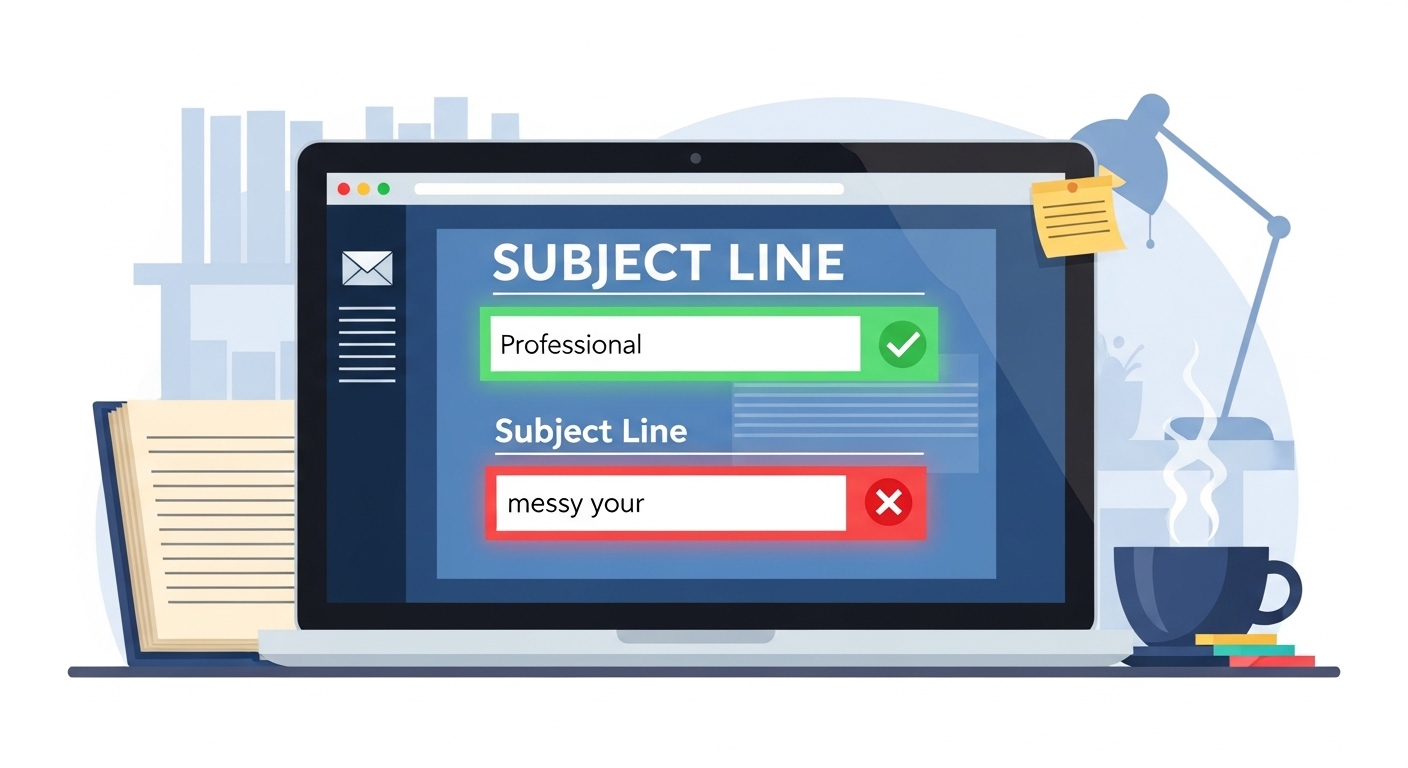
In the publishing world, inboxes are crowded. Agents and editors receive dozens—sometimes hundreds—of submissions every week. The subject line is your first (and often only) chance to make a professional, intriguing impression. It acts as both a filter and a hook: it tells the recipient what your email contains and persuades them to open it.
A poorly written subject line can get ignored, deleted, or worse—marked as spam. A strong one, on the other hand, signals professionalism, clarity, and confidence. It shows that you understand the industry’s expectations and respect the recipient’s time. Many successful authors credit their initial breakthroughs not just to great writing, but to presenting their work effectively from the very first interaction.
This guide explores how to craft the perfect subject line for emailing a book proposal—what works, what doesn’t, and how to stand out without sounding gimmicky.
What Makes a Subject Line Effective?
Before diving into examples, it’s important to understand the psychology behind an effective subject line. At its core, a great subject line does three things:
- Clearly communicates the purpose of the email
- Establishes credibility or relevance
- Sparks enough curiosity to encourage an open
In the context of book proposals, clarity is more important than cleverness. Unlike marketing emails, where creativity often wins, professional publishing communication favors precision and structure. Agents are not looking to be entertained at this stage—they are looking for clarity, relevance, and efficiency.
Think of your subject line as a headline in a professional setting—it should inform first, intrigue second. It should also align with expectations within the publishing industry, where standardized formats help streamline the submission review process. A well-structured subject line signals that you understand these norms and are ready to operate within them.
The Essential Components of a Strong Subject Line
A well-crafted subject line for a book proposal typically includes a few key elements. While you don’t need to include everything every time, combining the right pieces can significantly improve your chances of getting noticed.
1. The Phrase “Book Proposal”
Including the words “book proposal” immediately clarifies your intent. This is especially important because agents and editors often filter their emails based on submission types.
For example:
- Book Proposal: [Title]
- Submission: Book Proposal – [Genre]
This simple phrase helps your email land in the right category rather than being overlooked. It also communicates professionalism and familiarity with standard submission practices. Without it, your email may appear ambiguous or misplaced, reducing the likelihood of it being opened promptly.
2. Your Book Title
Your book title gives context and personality to your submission. Even if it’s a working title, it adds specificity.
Instead of writing something vague like:
- New Idea for a Book
Use:
- Book Proposal: “The Silent Map”
This signals that your project is serious and already developed. A title also helps create a mental image or tone, giving the agent a subtle preview of your work’s style and theme. Even a temporary title can make your submission feel more complete and intentional.
3. Genre or Category
Mentioning your genre helps the recipient quickly assess whether your proposal fits their interests.
Examples:
- Book Proposal: Psychological Thriller – “Dark Echoes”
- Nonfiction Book Proposal: Productivity & Mindset
This is especially useful when targeting agents who specialize in specific categories. It saves them time and increases your chances of reaching someone who is genuinely interested in your type of work. Genre clarity also reflects your awareness of where your book fits in the market.
4. Personalization (When Appropriate)
If you’re querying a specific agent or editor, adding a small element of personalization can make your subject line stand out.
For example:
- Book Proposal: Historical Fiction – “Ashes of Empire” (Re: Your Interest in WWII Narratives)
However, personalization should be used sparingly and only when it’s relevant. Forced personalization can feel artificial. When done correctly, though, it shows that you’ve done your research and are not sending generic submissions, which can leave a strong positive impression.
Examples of Strong Subject Lines
To better understand how these elements come together, here are some effective subject line examples:
| Type | Example |
| Simple & Professional | Book Proposal: “The Last Horizon” |
| With Genre | Book Proposal: Fantasy Novel – “Kingdom of Ashes” |
| Nonfiction Focus | Nonfiction Book Proposal: “The 90-Day Focus Method” |
| Personalized | Book Proposal: Thriller – “Cold Witness” (Following Your Interview on Crime Fiction) |
| Query Style | Query: Book Proposal – “The Invisible City” |
These examples work because they are clear, structured, and informative. They don’t try to be overly clever or mysterious. Instead, they align with professional expectations and provide just enough detail to encourage the recipient to open the email and learn more.
What to Avoid in Your Subject Line
Just as important as knowing what to include is understanding what to avoid. Certain mistakes can immediately reduce your chances of getting your email opened.
Overly Vague Language
Subject lines like:
- Exciting Opportunity
- A Book You’ll Love
These fail because they don’t provide any useful information. Agents don’t have time to guess what your email is about. Vague subject lines often get skipped or ignored entirely, especially when recipients are scanning their inbox quickly.
Clickbait or Gimmicky Phrases
Avoid trying to “trick” the recipient into opening your email with exaggerated claims:
- This Will Be the Next Bestseller!
- You Won’t Believe This Story!
These phrases may work in marketing, but in professional publishing, they undermine your credibility. Agents are experienced professionals and can easily recognize exaggerated or insincere claims, which may harm your reputation.
ALL CAPS or Excessive Punctuation
Subject lines like:
- BOOK PROPOSAL!!! READ NOW!!!
This immediately signals unprofessionalism and can even trigger spam filters. Excessive punctuation or capitalization often creates a sense of urgency that feels inappropriate in a professional context and can discourage recipients from engaging with your email.
Overloading with Information
While clarity is important, stuffing too much into your subject line can make it confusing:
- Book Proposal: A 120,000-word Epic Fantasy Novel About War, Love, Betrayal, and Magic Set in a Fictional World Inspired by Ancient Civilizations
Keep it concise. Save the details for the email body. Overly long subject lines can also get cut off on mobile devices, reducing their effectiveness and clarity.
Finding the Right Balance Between Clarity and Curiosity
One of the biggest challenges in writing subject lines is balancing straightforward communication with enough intrigue to stand out.
A purely functional subject line might look like this:
- Book Proposal: Business Book
It’s clear—but not very compelling.
A more refined version could be:
- Book Proposal: “The 4-Hour Reset” – A New Approach to Burnout Recovery
This version still maintains clarity while hinting at a unique angle. The goal is to provide enough information to establish context while leaving room for curiosity. This balance ensures that your subject line is both informative and engaging without being misleading or overly dramatic.
Tailoring Your Subject Line for Different Types of Books
Not all book proposals are the same, and your subject line should reflect the nature of your project.
Fiction Submissions
For novels, especially in genres like thriller, romance, or fantasy, the title often carries emotional or narrative weight. Let it shine.
Example:
- Book Proposal: Romantic Suspense – “Shadows Between Us”
Avoid over-explaining the plot in the subject line. Let the title create intrigue. A strong, evocative title can often do more to capture attention than a detailed description.
Nonfiction Submissions
For nonfiction, clarity and value are more important than creativity. Highlight the core idea or benefit.
Example:
- Nonfiction Book Proposal: “The 30-Day Clarity Framework”
This signals a structured, results-driven concept, which appeals to publishers. Nonfiction subject lines should emphasize usefulness, expertise, or transformation to align with market expectations.
Memoirs and Personal Narratives
Memoirs benefit from a balance of emotional resonance and clarity.
Example:
- Book Proposal: Memoir – “Breaking Silence: A Journey Through Loss and Healing”
Here, the title conveys depth without needing additional explanation. Emotional authenticity combined with clarity can make memoir subject lines particularly compelling.
The Role of Keywords in Subject Lines
Using the right keywords in your subject line not only improves clarity but can also align your email with how agents organize their inboxes.
Relevant keywords include:
- Book Proposal
- Query
- Submission
- Novel
- Nonfiction
These terms act as signals, helping your email get categorized correctly. They also demonstrate that you understand standard submission language used in the publishing industry.
However, avoid keyword stuffing. A subject line like:
- Book Proposal Query Submission Novel Fiction Book Proposal
Feels robotic and unprofessional. Instead, integrate keywords naturally within a structured phrase that flows well and reads clearly.
Testing and Refining Your Subject Line
Even experienced writers don’t always get their subject lines right on the first try. It’s worth taking time to refine and test different versions.
Consider:
- Writing 3–5 variations before choosing one
- Asking a peer or fellow writer for feedback
- Checking for clarity, tone, and length
Sometimes, a small tweak—like adding a genre or simplifying wording—can make a big difference. Reviewing your subject line after a short break can also help you spot areas for improvement and ensure it reads clearly and professionally.
What to Avoid in Your Subject Line
Just as important as knowing what to include is understanding what to avoid. Certain mistakes can immediately reduce your chances of getting your email opened.
Overly Vague Language
Subject lines like:
- Exciting Opportunity
- A Book You’ll Love
These fail because they don’t provide any useful information. Agents don’t have time to guess what your email is about.
Clickbait or Gimmicky Phrases
Avoid exaggerated claims such as:
- This Will Be the Next Bestseller!
- You Won’t Believe This Story!
These may seem persuasive but often damage your credibility in a professional setting.
ALL CAPS or Excessive Punctuation
Subject lines like:
- BOOK PROPOSAL!!! READ NOW!!!
This signals unprofessionalism and may trigger spam filters.
Overloading with Information
Trying to include too many details can make your subject line confusing and hard to read. Keep it concise and focused, saving the full explanation for your email body.
Finding the Right Balance Between Clarity and Curiosity
One of the biggest challenges in writing subject lines is balancing straightforward communication with enough intrigue to stand out.
A purely functional subject line might look like:
- Book Proposal: Business Book
A stronger version:
- Book Proposal: “The 4-Hour Reset” – A New Approach to Burnout Recovery
This approach keeps clarity intact while adding a layer of interest. The goal is to inform while subtly inviting the reader to learn more.
Tailoring Your Subject Line for Different Types of Books
Not all book proposals are the same, and your subject line should reflect the nature of your project.
Fiction Submissions
Let the title carry emotional or narrative weight without over-explaining.
Example:
- Book Proposal: Romantic Suspense – “Shadows Between Us”
Nonfiction Submissions
Focus on clarity and value.
Example:
- Nonfiction Book Proposal: “The 30-Day Clarity Framework”
Memoirs and Personal Narratives
Balance emotional tone with clarity.
Example:
- Book Proposal: Memoir – “Breaking Silence: A Journey Through Loss and Healing”
The Role of Keywords in Subject Lines
Using the right keywords improves clarity and ensures your email is categorized correctly.
Common keywords include:
- Book Proposal
- Query
- Submission
- Novel
- Nonfiction
Use them naturally rather than forcing them into the subject line.
Testing and Refining Your Subject Line
Even experienced writers refine their subject lines before sending emails.
You can improve results by:
- Creating multiple variations
- Reviewing for clarity and tone
- Getting feedback from others
Small improvements can significantly impact whether your email gets opened.
Practical Templates You Can Use
If you’re unsure where to start, these templates provide a reliable foundation:
- Book Proposal: “[Title]”
- Book Proposal: [Genre] – “[Title]”
- Nonfiction Book Proposal: “[Title]” – [Core Idea]
- Query: Book Proposal – “[Title]”
You can adapt these based on your specific project, but keeping the structure intact ensures clarity. Templates also help reduce decision fatigue, allowing you to focus on refining your wording rather than starting from scratch each time.
FAQ: Subject Lines for Book Proposals
What is the ideal length for a subject line?
Aim for 6–10 words. This keeps your subject line concise while still informative. Longer subject lines may get truncated, especially on mobile devices, which can reduce their effectiveness and clarity.
Should I include my name in the subject line?
In most cases, no. Your name belongs in the email body or signature. The subject line should focus on the book proposal itself to maintain clarity and professionalism.
Is it okay to use humor in a subject line?
It’s generally not recommended. Humor is subjective and can easily be misunderstood. Professional clarity is a safer and more effective approach in most cases.
Can I send the same subject line to multiple agents?
Yes, but make sure it’s tailored to the genre and accurate. If you personalize it, adjust accordingly for each recipient to maintain authenticity.
What if my book doesn’t have a final title yet?
Use a working title. It’s better than leaving it out entirely. A placeholder title still provides structure and context, helping your submission appear more complete and organized.
Final Thoughts: Precision Over Creativity
When emailing a book proposal, your subject line isn’t the place to showcase your storytelling skills—it’s where you demonstrate professionalism and clarity.
A strong subject line respects the recipient’s time, communicates your intent instantly, and positions your work as serious and well-prepared. It also reflects your understanding of industry standards and your readiness to engage professionally.
If there’s one principle to remember, it’s this: be clear first, compelling second. When you get that balance right, your email stands a far better chance of being opened—and your book proposal of being read.