There’s something powerful about holding your own book in your hands—or seeing it live in a global marketplace, ready to reach readers you’ve never met. For many aspiring writers, publishing an eBook is no longer a distant dream reserved for a select few. It’s a practical, achievable goal. What once required agents, publishers, and long waiting periods has evolved into a more accessible path where authors can take control of their creative work and bring it directly to readers.
But accessibility doesn’t automatically translate to success. Writing and publishing an eBook is one thing; building visibility, attracting readers, and generating consistent sales is another. That’s where strategy, clarity, and a deeper understanding of the process come into play.
This guide walks you through everything you need to know—from crafting your manuscript to positioning your eBook for long-term success—without overwhelming you or relying on vague advice. Whether you’re a first-time writer or someone looking to improve results, you’ll find practical insights that make a difference.
Understanding the eBook Publishing Landscape
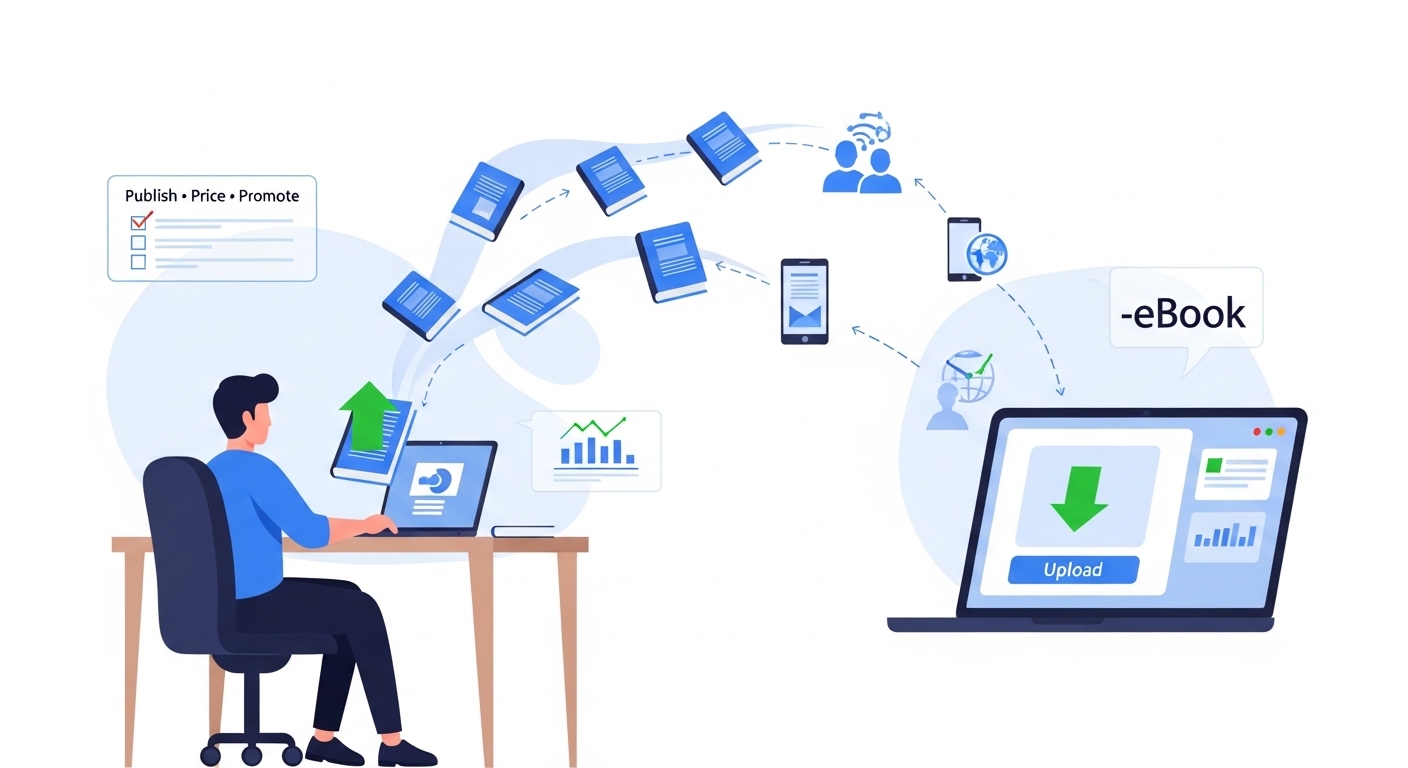
Before diving into writing or formatting, it’s important to understand how the eBook ecosystem works. At its core, publishing an eBook involves three major stages: creation, production, and distribution. Many authors focus heavily on writing but overlook the other two, which are equally important.
The rise of digital publishing has changed reader behavior. Readers today expect instant access, clean formatting, and engaging storytelling. They also rely heavily on reviews, descriptions, and cover design before making a purchase decision. This means your success doesn’t depend only on the quality of your writing—it depends on how well you present and position your book.
Keywords like self-publishing eBooks, digital book publishing, and selling eBooks online are not just SEO terms; they reflect how readers discover books. Understanding this behavior will shape how you write, package, and market your content.
Choosing the Right Topic and Niche
One of the most overlooked aspects of publishing success is topic selection. Many authors write what they feel like writing, which is great creatively—but not always effective commercially. The goal is to find a balance between passion and demand.
Start by identifying areas where readers are actively searching for solutions, entertainment, or knowledge. Popular categories often include self-help, business, health, personal development, and genre fiction like romance or mystery. However, within these broad categories lies the real opportunity—sub-niches.
Instead of writing a general guide on productivity, for example, narrowing it down to productivity for students, freelancers, or remote workers can significantly improve your chances of reaching a targeted audience.
Ask yourself:
- Who is this book for?
- What problem does it solve?
- Why would someone choose this over others?
Clarity at this stage saves time and increases your chances of success later.
Writing a Compelling eBook That Readers Finish
Writing an eBook isn’t just about filling pages—it’s about keeping readers engaged from start to finish. Many books fail not because they lack good ideas, but because they lack structure and flow.
Start with a strong outline. This acts as your roadmap and ensures your content remains focused. Divide your book into logical sections and chapters, each building on the previous one. A well-structured eBook feels effortless to read.
In terms of writing style, aim for clarity and connection. Avoid overly complex language or long-winded explanations. Readers appreciate content that gets to the point while still offering depth.
A few key elements that improve readability:
- Short paragraphs that are easy to scan
- Clear transitions between ideas
- A conversational tone that feels natural
Consistency matters as well. Whether you’re writing fiction or nonfiction, maintaining a consistent voice helps build trust and keeps readers engaged.
Editing and Polishing Your Manuscript
Even the best ideas can fall flat if the writing isn’t polished. Editing is where your book transforms from a rough draft into a professional product.
Start with self-editing. Read your manuscript multiple times, focusing on different aspects each time—grammar, clarity, structure, and flow. Then, if possible, get feedback from others. Fresh eyes can catch issues you might overlook.
Professional editing is ideal, but if that’s not an option, tools and peer reviews can still significantly improve quality. Pay close attention to:
- Grammar and punctuation
- Sentence clarity
- Repetition of ideas
- Logical flow between chapters
Remember, readers judge your credibility based on how clean and professional your writing feels.
Designing a Cover That Attracts Attention
People often say “don’t judge a book by its cover,” but in reality, readers do exactly that. Your cover is one of the most critical elements in selling your eBook.
A strong cover communicates genre, tone, and professionalism within seconds. It doesn’t need to be overly complex, but it should be visually appealing and aligned with reader expectations.
For example, a romance novel cover looks very different from a business guide. Study successful books in your niche and notice patterns in color, typography, and imagery.
Key principles for effective cover design:
- Clear, readable title
- Simple and focused design
- Appropriate color scheme for your genre
- High-quality visuals
Investing time (or resources) in your cover design can significantly impact your click-through rate and sales.
Formatting Your eBook for a Professional Look
Formatting might not seem exciting, but it plays a huge role in reader experience. Poor formatting can lead to negative reviews—even if your content is excellent.
Ensure your eBook is:
- Properly structured with headings and subheadings
- Consistent in font style and size
- Free from spacing issues
- Optimized for different screen sizes
A clean layout makes your book easier to read and more enjoyable overall. Think of formatting as the bridge between your content and your reader.
Writing an Effective Book Description
Your book description is essentially your sales pitch. It’s what convinces a potential reader to click “buy” or move on.
Instead of summarizing your entire book, focus on creating curiosity and highlighting value. Speak directly to the reader’s needs or interests.
A strong description typically includes:
- A hook that grabs attention
- A clear explanation of what the book offers
- Benefits the reader will gain
- A compelling closing that encourages action
Use natural keyword integration such as how to publish eBooks, selling eBooks successfully, and self-publishing guide to improve discoverability without sounding forced.
Pricing Strategies That Maximize Sales
Pricing your eBook is both an art and a science. Set it too high, and you might lose potential readers. Set it too low, and you might undervalue your work.
For new authors, competitive pricing can help attract initial readers and build momentum. As your book gains reviews and credibility, you can adjust pricing accordingly.
Consider factors like:
- Length of your book
- Value it provides
- Pricing of similar books in your niche
Experimentation is key. Small changes in pricing can lead to noticeable differences in sales performance.
Building Visibility and Driving Sales
Publishing your eBook is just the beginning. Without visibility, even the best book can go unnoticed.
Focus on building a presence where your audience spends time. This could include social media, blogging, or email newsletters. Sharing valuable content related to your book’s topic helps establish authority and attract readers naturally.
Encourage reviews, as they play a major role in influencing buying decisions. Positive reviews build trust and improve your book’s ranking.
Consistency is more important than intensity. Regular engagement and steady promotion often outperform short bursts of activity.
Frequently Asked Questions (FAQs)
How long should an eBook be?
There’s no fixed length. A good eBook is as long as it needs to be to deliver value. Many successful eBooks range between 5,000 to 30,000 words, depending on the topic.
Can I publish an eBook without prior writing experience?
Yes, absolutely. Many authors start with no formal background. What matters most is clarity, consistency, and willingness to learn.
How do I choose the best keywords for my eBook?
Focus on terms your target audience is likely to search for. Think in terms of problems, solutions, and interests. Tools and research can help refine your choices.
Is it possible to make passive income from eBooks?
Yes, but it usually takes time. Consistent effort in writing, publishing, and promoting increases your chances of building steady income over time.
Do I need multiple books to succeed?
Not necessarily, but having more than one book can significantly improve visibility and earning potential.
Final Thoughts
Publishing and selling eBooks is both an art and a strategic process. It requires creativity, patience, and a willingness to refine your approach. While the journey may seem complex at first, breaking it down into manageable steps makes it far more achievable.
Focus on delivering real value, understanding your audience, and continuously improving your craft. Success doesn’t happen overnight, but with persistence and the right approach, your eBook can become more than just a project—it can become a lasting asset.
The opportunity is there. What you do with it is entirely up to you.