Why Typography Hierarchy Is the Backbone of a Strong Book Cover
Typography hierarchy in book cover design is not just about making text look attractive—it is a strategic system that controls how a viewer’s eye moves across the cover, what they notice first, and how quickly they understand the book’s genre, tone, and value. In a crowded marketplace where readers often make split-second decisions, especially on digital platforms, hierarchy determines whether your book is ignored or explored. A well-structured typographic hierarchy ensures that the most important elements—such as the title, subtitle, and author name—are prioritized effectively, while secondary information supports rather than competes for attention. This is particularly critical in thumbnail-sized displays, where poor hierarchy can make a cover unreadable or visually confusing.
What Does Typography Hierarchy Mean?
Typography hierarchy refers to the arrangement of text elements in a way that signals importance through visual differences. These differences are created using size, weight, spacing, color, alignment, and placement. Instead of reading everything at once, the viewer’s eye follows a guided path—usually starting with the most dominant element and moving down in order of importance.
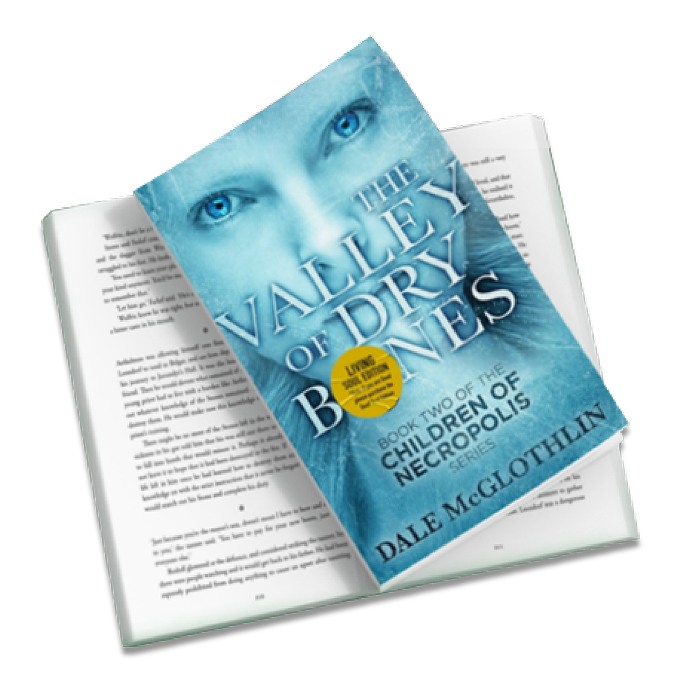
In book cover design, this hierarchy typically follows a predictable pattern:
- Title (primary focus)
- Subtitle or tagline (secondary support)
- Author name (branding element)
- Additional details (series name, endorsements, etc.)
However, this structure can shift depending on the author’s reputation or marketing strategy.
Core Elements That Define Typography Hierarchy
Size and Scale: The First Attention Trigger
Size is the most immediate and powerful tool in establishing hierarchy. Larger text naturally draws attention first, making it ideal for titles. If all text elements are similar in size, the hierarchy collapses, and the viewer doesn’t know where to look.
Font Weight and Style
Bold, light, italic, or condensed typefaces can signal importance and tone. A bold title paired with a lighter subtitle creates contrast, helping readers distinguish between elements without confusion.
Color and Contrast
Color is not just decorative—it directs attention. High contrast between text and background improves readability, while strategic color variation can separate different layers of information. For example, a bright title against a muted background instantly becomes the focal point.
Spacing and Alignment
White space (negative space) is often overlooked but essential. Proper spacing between text elements prevents clutter and allows each component to breathe. Alignment—whether centered, left-aligned, or asymmetrical—also affects readability and visual flow.
How Hierarchy Influences Reader Behavior
Typography hierarchy directly impacts how potential readers interact with your book cover. Before they read a single word of your book, they are already forming judgments based on how information is presented visually.
A strong hierarchy helps readers:
- Instantly identify the book’s title and genre
- Understand the tone (serious, playful, dramatic, etc.)
- Recognize the author’s name if it holds value
- Process information quickly, especially in digital marketplaces
When hierarchy is weak, readers experience friction—they hesitate, lose interest, or move on entirely.
Designing for Print vs Digital Covers
Print Covers: Detail and Texture Matter
In physical books, readers can engage more closely with the cover. This allows for slightly more complex typography, subtle contrasts, and finer details. However, hierarchy still needs to be clear from a distance, especially on bookstore shelves.
Digital Covers: Simplicity Wins
Online platforms like Amazon or Apple Books display covers as small thumbnails. This makes hierarchy even more critical. If your title isn’t readable at a small size, the design fails regardless of how good it looks in full resolution.
Common Typography Hierarchy Mistakes Authors Make
Even well-designed covers can fail when hierarchy is ignored or poorly executed. These issues often stem from trying to include too much information or not prioritizing elements effectively.
Some frequent pitfalls include:
- Making the title too small or visually weak
- Giving equal emphasis to all text elements
- Using too many fonts, creating visual noise
- Poor contrast between text and background
- Overcrowding the cover with unnecessary details
These mistakes reduce clarity and make the cover less impactful, especially in competitive markets.
Typography Hierarchy by Genre
Different genres have different expectations when it comes to typography. Understanding these nuances helps position your book correctly in the market.
| Genre | Typography Style | Hierarchy Focus |
|---|---|---|
| Romance | Elegant, script or serif fonts | Title + emotional tone |
| Thriller | Bold, high-contrast, sharp fonts | Title dominance |
| Fantasy | Decorative, stylized typography | Title + world-building feel |
| Non-fiction | Clean, modern sans-serif | Title + subtitle clarity |
| Children’s Books | Playful, rounded fonts | Visual-text balance |
Matching typography hierarchy with genre expectations increases credibility and reader trust.
The Role of Branding in Author Name Placement
For new authors, the title usually takes priority. However, for established authors, the name itself becomes a selling point and may dominate the hierarchy. This shift is a strategic branding decision rather than a design flaw.
For example:
- New author → Title is largest element
- Established author → Author name may match or exceed title size
Understanding this distinction helps authors make smarter design choices based on their position in the market.
Final Thoughts: Designing with Intent, Not Just Aesthetics
Typography hierarchy is not about decoration—it is about communication. Every decision, from font size to spacing, should guide the reader toward understanding the book quickly and effortlessly. A visually appealing cover may catch attention, but a well-structured hierarchy ensures that attention turns into interest and, ultimately, a purchase.
When done right, typography hierarchy transforms a book cover from a simple visual into a powerful marketing tool—one that speaks clearly, instantly, and effectively to its audience.
FAQs
What is typography hierarchy in book cover design?
It is the arrangement of text elements based on importance, using size, color, spacing, and style to guide the viewer’s attention.
Why is typography hierarchy important?
It ensures readability, improves visual flow, and helps readers quickly understand the book’s content and genre.
How many fonts should be used on a book cover?
Ideally, no more than two or three to maintain clarity and avoid visual clutter.
Should the author name always be smaller than the title?
Not always—established authors may have their names emphasized more than the title.
How do I test if my typography hierarchy works?
View your cover at thumbnail size. If the title is still readable and clear, your hierarchy is effective.
Does typography hierarchy affect book sales?
Yes, because it directly influences first impressions and readability, which are key factors in purchasing decisions.