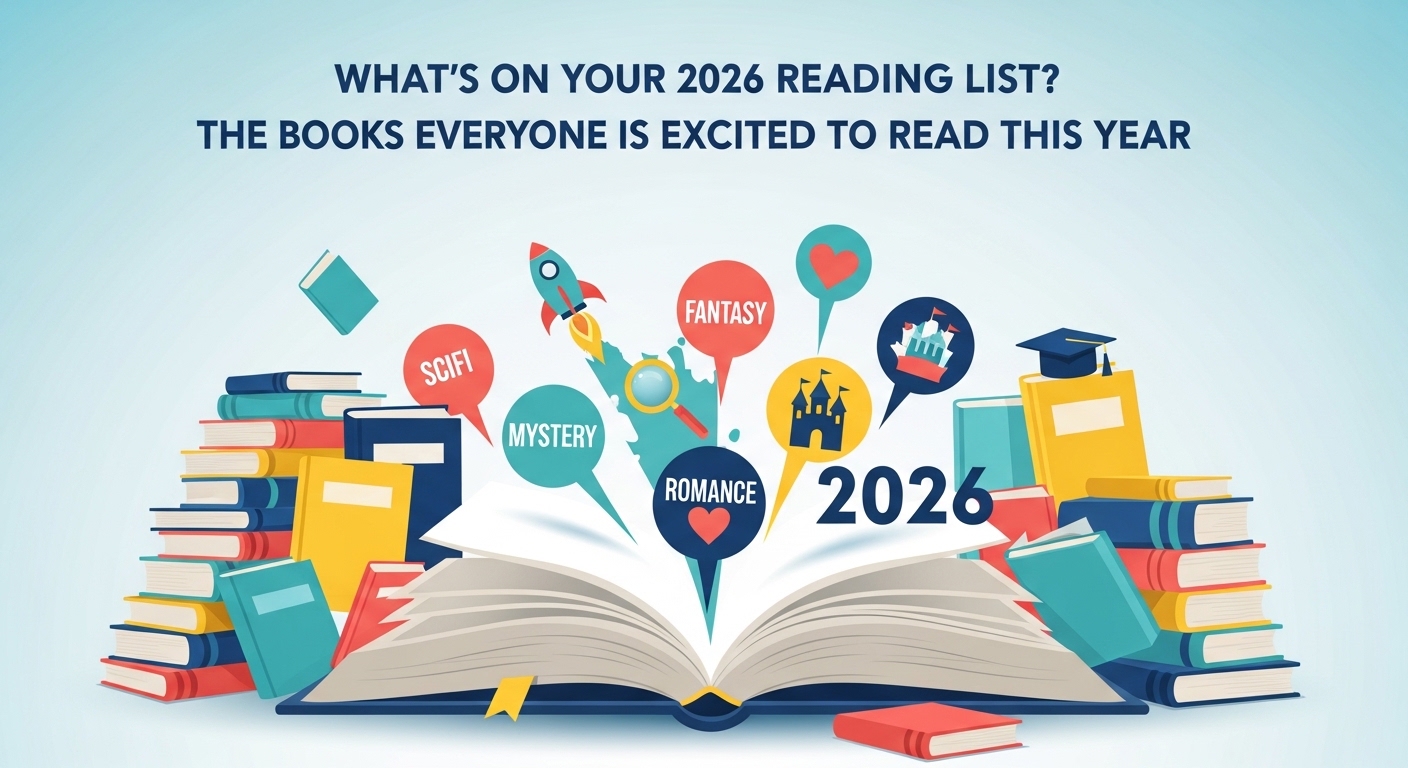
The idea of a “reading list” in 2026 has evolved beyond simply collecting titles—it has become a reflection of how readers engage with storytelling itself. This year, anticipation is not driven solely by bestselling authors or marketing campaigns, but by a growing demand for emotionally immersive, intellectually engaging, and culturally relevant fiction.
Readers are approaching books with more intention. Instead of choosing stories purely for entertainment, they are looking for narratives that offer depth—stories that explore identity, relationships, memory, and the psychological realities of modern life. As a result, the books gaining the most attention in 2026 are those that promise not just a plot, but an experience.
What’s particularly interesting is how early anticipation is being shaped. Readers are no longer waiting for publication dates; they are following announcements, author interviews, and early excerpts to build expectations months in advance. This has transformed reading lists into something dynamic—constantly evolving as new information emerges about upcoming titles.
The Types of Books Readers Are Prioritizing in 2026
Instead of focusing on individual titles alone, it’s important to understand why certain books are generating excitement. The anticipation surrounding 2026 fiction is rooted in a few key narrative qualities that readers are actively seeking.
At the forefront is emotional depth. Readers want stories that feel real, even when the setting is fictional or speculative. This has led to increased interest in novels that explore internal conflict, moral ambiguity, and complex relationships rather than straightforward plot resolution.
Another major factor is narrative structure. Many of the most anticipated books are experimenting with how stories are told—using fragmented timelines, multiple narrators, or layered storytelling techniques that require active reader engagement. These structures create a sense of discovery, making the reading experience more immersive.
Readers are also prioritizing cultural and global perspectives. Fiction in 2026 is no longer centered around a single dominant narrative voice. Instead, there is a growing demand for stories that reflect diverse experiences, geographies, and identities, allowing readers to engage with perspectives beyond their own.
- Emotionally layered storytelling that focuses on internal experiences
- Experimental narrative structures that challenge traditional formats
- Globally diverse voices that expand cultural representation
- Stories that balance entertainment with deeper thematic meaning
This shift indicates that reading is becoming a more thoughtful and intentional activity rather than passive consumption.
Why Certain Books Generate Early Buzz
Not every upcoming release creates the same level of anticipation. The books that stand out tend to do so because they offer something beyond familiarity—they signal a shift, either in storytelling style or thematic focus.
One of the biggest drivers of buzz is author evolution. When established writers move into new genres or experiment with different narrative styles, readers become curious. There is a sense of unpredictability that makes these books more compelling even before they are released.
At the same time, debut authors are gaining attention for a different reason: originality. Without the constraints of established expectations, many new writers are pushing boundaries, introducing fresh perspectives and narrative techniques that feel distinct from traditional publishing patterns.
Another key factor is thematic relevance. Books that engage with current emotional or social realities—such as identity, displacement, mental health, or technological change—tend to resonate more strongly with readers. These themes create a sense of immediacy, making the stories feel important rather than just entertaining.
Anticipation is also influenced by how stories are positioned. Early excerpts, cover design, and even the language used in book descriptions can shape how readers perceive a novel before it is released.
How Reader Expectations Are Shaping 2026 Releases
One of the most important shifts in 2026 fiction is that readers are no longer passive consumers—they are active participants in shaping literary trends. Their expectations are directly influencing how books are written, marketed, and received.
Readers now expect a balance between accessibility and depth. A story needs to be engaging enough to hold attention, but also complex enough to feel meaningful. This has led to a rise in hybrid storytelling, where books combine fast-paced narratives with deeper emotional or philosophical exploration.
There is also a growing expectation for authenticity. Readers are increasingly drawn to stories that feel genuine, whether that authenticity comes from cultural representation, emotional honesty, or lived experience. This is one reason why many of the most anticipated books in 2026 come from authors who bring unique perspectives to their storytelling.
Another important factor is rereadability. Books that offer multiple layers of meaning—where readers can discover something new each time—are gaining more attention. This reflects a shift toward long-term engagement rather than one-time consumption.
The Role of Discovery and Community in Building Reading Lists
The way readers discover books has changed significantly, and this plays a major role in shaping 2026 reading lists. Instead of relying solely on traditional reviews or bestseller lists, readers are turning to community-driven platforms and conversations.
Online discussions, reader forums, and short-form content platforms are creating organic buzz around upcoming books. These spaces allow readers to share expectations, interpretations, and early reactions, which can significantly influence which books gain traction.
What makes this different from traditional marketing is the level of trust involved. Readers often place more value on recommendations from other readers than on promotional material. This creates a ripple effect, where a single book can quickly gain widespread attention through community engagement alone.
At the same time, this environment encourages more diverse reading choices. Readers are exposed to a wider range of books, including international fiction, experimental narratives, and lesser-known authors who might not have gained visibility in previous years.
Why 2026 Reading Lists Feel More Meaningful
What ultimately sets 2026 apart is the intention behind reading choices. Books are no longer being selected purely for entertainment or trend-following—they are being chosen for the experience they offer.
Readers are thinking more carefully about what they want from a story. Whether it’s emotional connection, intellectual challenge, or cultural insight, these expectations are shaping how reading lists are built.
This shift also reflects a broader change in how fiction is valued. Instead of being seen as temporary content, books are increasingly viewed as lasting experiences—something to reflect on, revisit, and engage with over time.
In this sense, a 2026 reading list is not just a collection of titles. It is a reflection of a reader’s curiosity, priorities, and desire to engage with stories on a deeper level.
Top 10 Must-Read Books of 2026 (Detailed Guide for Readers)
The fiction landscape in 2026 is defined by emotional depth, narrative experimentation, and globally diverse storytelling. The most anticipated books this year are not just popular—they reflect a shift in how stories are written and experienced. These titles stand out for their ability to combine compelling plots with psychological realism and thematic complexity.
Below is a carefully curated list of must-read fiction books of 2026, based on early buzz, literary significance, and evolving reader expectations.
1. Vigil — George Saunders
This highly anticipated release from George Saunders is expected to continue his exploration of the boundary between life and death, a theme he previously handled with philosophical depth. Vigil is rumored to take place in a liminal space, where characters confront unresolved emotions and existential questions.
What makes this book particularly compelling is Saunders’ ability to blend dark humor with emotional weight. His narrative style often challenges conventional storytelling, making the reading experience both intellectually stimulating and emotionally affecting.
- Focus on existential themes and human consciousness
- Experimental structure with layered perspectives
- Strong emotional and philosophical undertones
2. The First Time I Saw Him — Laura Dave
Laura Dave returns with a novel centered on relationships, memory, and the emotional impact of fleeting encounters. This story is expected to explore how a single moment can reshape a person’s life trajectory.
Known for her accessible yet emotionally layered writing, Dave’s new novel is likely to resonate with readers who appreciate character-driven storytelling grounded in realism.
- Deep exploration of relationships and memory
- Emotionally grounded narrative style
- Strong appeal for contemporary fiction readers
3. Hollywood, Ending — John Green
In a notable shift, John Green moves into adult literary fiction with Hollywood, Ending. The novel reportedly examines identity, performance, and the blurred line between public persona and private self.
This transition marks a significant moment in Green’s career, as he expands his thematic scope while maintaining his signature emotional clarity.
- Exploration of identity and self-perception
- Character-driven narrative with introspective depth
- Appeal to both existing fans and new audiences
4. How to Commit a Postcolonial Murder — Nina McConigley
This novel by Nina McConigley blends literary fiction with mystery, creating a narrative that is both intellectually engaging and structurally innovative.
The story is expected to explore themes of identity, power, and postcolonial dynamics through a suspense-driven framework, making it a standout example of hybrid genre storytelling.
- Combines mystery with literary depth
- Focus on postcolonial identity and cultural complexity
- Multi-layered narrative structure
5. This Is Where the Serpent Lives — Daniel Mueenuddin
Daniel Mueenuddin brings a globally grounded perspective with this anticipated novel set in contemporary Pakistan. His storytelling is known for its nuanced portrayal of class, culture, and interpersonal relationships.
This book is expected to offer a richly textured narrative that captures both personal and societal tensions.
- Strong cultural and geographical authenticity
- Deeply human character portrayals
- Exploration of social and economic dynamics
6. The Night We Met — Abby Jimenez
Abby Jimenez continues to build on her reputation for emotionally engaging romance novels. This upcoming release is expected to explore how unexpected encounters can alter life paths.
While rooted in romance, the story is likely to include deeper emotional themes, making it appealing to a broader audience.
- Blend of romance and emotional realism
- Character-focused storytelling
- Accessible yet meaningful narrative
7. Vigilant Hearts — Emerging Literary Fiction Highlight
This anticipated novel is gaining early attention for its focus on emotional resilience and interconnected lives. While not yet widely released, it reflects many of the defining traits of 2026 fiction—introspective storytelling and layered character development.
- Emphasis on emotional growth and connection
- Multi-character narrative structure
- Reflective and immersive storytelling style
8. The Glass Horizon Protocol — Speculative Fiction Standout
This novel represents the growing trend of speculative fiction with philosophical depth. It explores the relationship between technology and human identity, raising questions about consciousness and emotional authenticity.
- Futuristic setting with ethical implications
- Exploration of human–technology boundaries
- Strong conceptual and narrative depth
9. Where Shadows Learn to Speak — Psychological Drama
This emotionally driven novel is expected to focus on trauma, healing, and internal conflict. Its storytelling style is likely to emphasize introspection and emotional nuance rather than external action.
- Deep psychological exploration
- Focus on emotional transformation
- Slow, reflective narrative pacing
10. Between Oceans and Echoes — Global Fiction Highlight
This anticipated title reflects the growing importance of global storytelling in modern fiction. Centered on migration and identity, it explores the emotional complexities of belonging across cultures.
- Cross-cultural narrative perspective
- Themes of displacement and identity
- Multi-generational storytelling approach
Why These Books Matter in 2026
What connects these titles is not just anticipation—it is their alignment with broader literary trends. Each book reflects a shift toward storytelling that prioritizes emotional intelligence, structural innovation, and cultural relevance.
Common elements across these must-read books include:
- Strong psychological and emotional depth
- Hybrid storytelling that blends genres
- Global perspectives and diverse voices
- Narratives that encourage reflection rather than passive reading
These qualities are what make these books not just popular, but potentially lasting. What sets 2026 apart is the intentionality behind storytelling. Authors are no longer writing solely to entertain; they are creating experiences that encourage reflection, interpretation, and emotional engagement.
Readers, in turn, are responding to this shift by seeking out books that offer more than surface-level narratives. This mutual evolution is reshaping the literary landscape.
Conclusion: A Year of Meaningful Storytelling
The must-read books of 2026 reflect a deeper transformation within fiction itself. They demonstrate that storytelling is moving toward greater emotional complexity, structural innovation, and cultural inclusivity.
As the year continues, these titles are likely to define not just what readers are consuming, but how they are thinking about stories. In many ways, 2026 is not just a strong year for fiction—it is a turning point.
FAQ Section (SEO Boost)
What are the best fiction books of 2026 so far?
The best fiction books of 2026 include titles that combine emotional depth, narrative innovation, and strong thematic relevance, such as works by George Saunders, John Green, and emerging global authors.
What trends are shaping fiction in 2026?
Key trends include psychological realism, hybrid genre storytelling, multi-perspective narratives, and increased global representation.
Why are 2026 books considered more meaningful?
Because they focus on emotional authenticity, complex characters, and deeper themes rather than purely plot-driven storytelling.